

Your skin changes in autumn for very specific reasons that often go unnoticed. Cooler air, lower humidity, central heating, and lingering UV damage all chip away at your skin’s natural barrier. Understanding these factors helps you spot signs like dryness, sensitivity, or flare-ups before they worsen. In this post, you’ll learn exactly why skin shifts in autumn and how to support it with medical-grade skincare and expert care at Vysana Clinic. Learn more about autumn skincare.
Understanding Autumn Skin Changes
As autumn unfolds, your skin undergoes significant changes. Let’s explore what happens beneath the surface and how you can identify these shifts early.
Science Behind Skin Changes
In autumn, several environmental factors contribute to skin changes. Cooler air and lower humidity levels cause your skin to lose moisture, resulting in dryness and tightness. Central heating indoors exacerbates this by reducing air moisture further, leading to increased transepidermal water loss. This means your skin loses water more quickly, leaving it feeling parched. Additionally, lingering UV damage from summer can continue to affect your skin, causing pigmentation and dullness. To combat these effects, it’s essential to keep your skin hydrated and protected. Incorporating a ceramide moisturiser can help repair your skin barrier, while using a broad-spectrum SPF is crucial, even on cloudy days.
Identifying Key Signs
Recognising the signs of autumn skin changes is crucial for timely intervention. Dryness is often the first indicator, manifesting as tightness or flakiness, especially after washing your face. Sensitivity can also increase, with skin feeling more reactive or prone to redness. Some individuals may experience flare-ups of conditions like eczema or rosacea, triggered by the changing weather. Other signs include dullness, breakouts, and uneven pigmentation. If you notice these changes, it might be time to adjust your skincare routine. Opt for gentle, hydrating products that support your skin’s natural barrier and consider seeking advice from a professional if symptoms persist.
Supporting Your Skin in Autumn
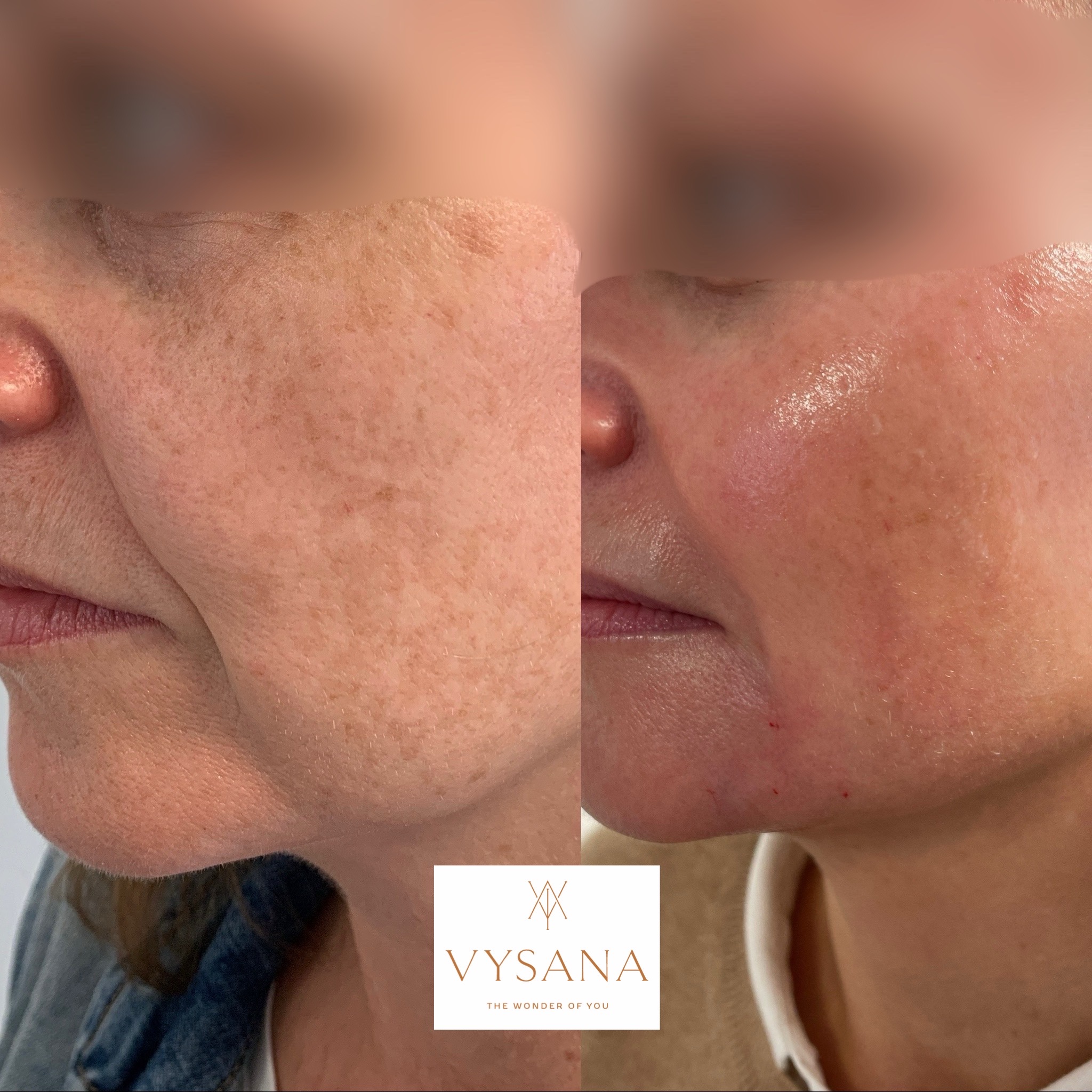
Now that you understand what’s happening with your skin, it’s time to learn how to support it effectively at home and when to seek professional help.
Essential Home Care Plan
An effective home care routine is your first line of defence against autumn skin woes. Start with a gentle cleanser that doesn’t strip your skin of its natural oils. Follow with a moisturiser enriched with ceramides to lock in moisture and repair the skin barrier. Incorporate niacinamide to soothe irritation and improve elasticity. A retinoid routine can help with cell turnover, but introduce it gradually to avoid sensitivity. Always finish with a broad-spectrum SPF, as UV rays can still cause damage in autumn. For an added boost, consider using a hydrating serum that targets specific concerns like pigmentation or dullness. Remember, consistency is key to seeing long-lasting results.
When to Seek Clinical Support
While home care is vital, there are times when professional intervention is necessary. If you’re experiencing persistent dryness, severe eczema or rosacea flare-ups, or any unusual changes in your skin, it’s advisable to consult a specialist. At Vysana Clinic, we offer a range of treatments designed to address these concerns effectively. Chemical peels and microneedling can help rejuvenate your skin, while LED light therapy targets inflammation and boosts healing. If you’re considering more advanced care, discussing your options with a doctor can provide clarity on the best course of action for your skin.
Vysana Clinic: Your Skincare Partner
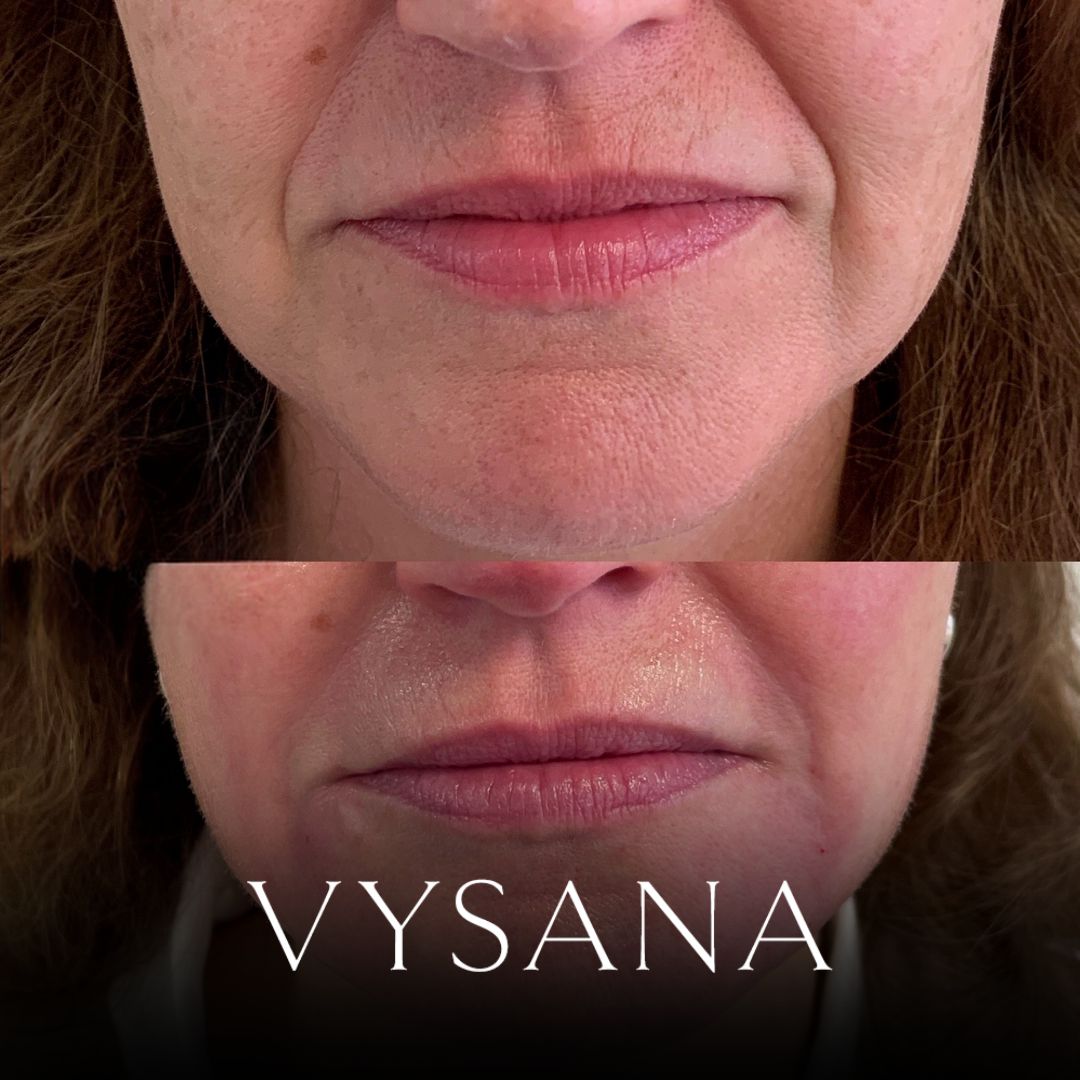
Choosing the right support for your skin’s needs can make all the difference. Here’s how Vysana Clinic stands out as your trusted partner.
Seasonal Skin Review Benefits
A seasonal skin review at Vysana Clinic offers numerous benefits. Our expert team, led by Dr. Sunny Dhesi, conducts a thorough assessment of your skin’s current condition. This review helps in identifying specific issues that may have arisen due to the autumn transition. With this information, we tailor a treatment plan that addresses your unique concerns, ensuring that your skin remains healthy and vibrant throughout the season. Our clinic’s comprehensive approach integrates medical expertise and advanced aesthetic treatments, providing you with personalised care that targets both immediate and long-term skin health.
Book Your Autumn Consultation
The longer you wait, the more challenging it might be to restore your skin to its optimal state. Take the proactive step by booking an autumn consultation with Vysana Clinic. During your visit, you’ll receive expert guidance on managing your skin’s needs, backed by evidence-based treatments that are both safe and effective. Our team is committed to helping you achieve the healthy, radiant skin you desire, ensuring that you feel confident in your own skin all year round.
Frequently Asked Questions
Why does my skin feel dry in autumn?
The drop in humidity and temperature during autumn causes your skin to lose moisture, resulting in dryness. Central heating can further dehydrate the skin, leading to a tight or flaky feel.
What are the top treatments for autumn skin issues?
Treatments like chemical peels, microneedling, and LED light therapy can effectively address autumn skin concerns. These treatments rejuvenate the skin, reduce inflammation, and improve texture and tone.
How often should I use a retinoid in autumn?
Start using a retinoid 2-3 times a week to allow your skin to adjust. Gradually increase frequency as your skin builds tolerance, but always follow with a moisturiser and SPF to protect your skin.
Is SPF necessary in autumn?
Yes, SPF is essential year-round. Even in autumn, UV rays can penetrate the skin and cause damage, so using a broad-spectrum SPF helps protect against these harmful effects.
How can I prevent eczema flare-ups in autumn?
To prevent eczema flare-ups, keep your skin moisturised with products containing ceramides. Avoid hot showers, and use a gentle cleanser. If flare-ups occur, consider seeking medical advice for targeted treatments.