

Skin troubles often come with confusing clues: is it barrier damage, dehydration, or inflammation? Each needs a different approach, but they can look alarmingly similar. Knowing the key signs of skin barrier damage and how it differs from dehydrated skin or inflammation can save you time and avoid making things worse. Let’s break down what to watch for, simple checks you can do at home, and when it’s time to seek expert advice.
Understanding Skin Barrier Damage
To start, let’s explore skin barrier damage and its implications. This condition occurs when the outer layer of your skin, responsible for protection, becomes compromised.
Signs of Barrier Damage
Barrier damage manifests through dryness, redness, and sensitivity. Your skin might feel tight or appear flaky. Sometimes, small cracks or peeling can occur. If your skin stings when you apply products, the barrier might be impaired. It’s crucial to recognize these signs early to prevent further issues.
At‑Home Checks for Barrier Damage
Wondering if your barrier needs attention? Try this: gently press your skin with a clean finger. If it leaves a mark or feels rough, you might be experiencing barrier damage. Another check is to observe how your skin reacts to new products. If you notice increased sensitivity or redness, it’s time to reconsider your routine.
First‑Aid Steps for Barrier Repair
To repair a damaged barrier, begin by simplifying your skincare routine. Use a gentle, fragrance-free cleanser. Moisturise with products containing ceramides and niacinamide, which help restore the skin. Avoid harsh exfoliants and instead, opt for soothing ingredients like azelaic acid. Remember, patience is key.
Identifying Dehydrated Skin vs Dry Skin
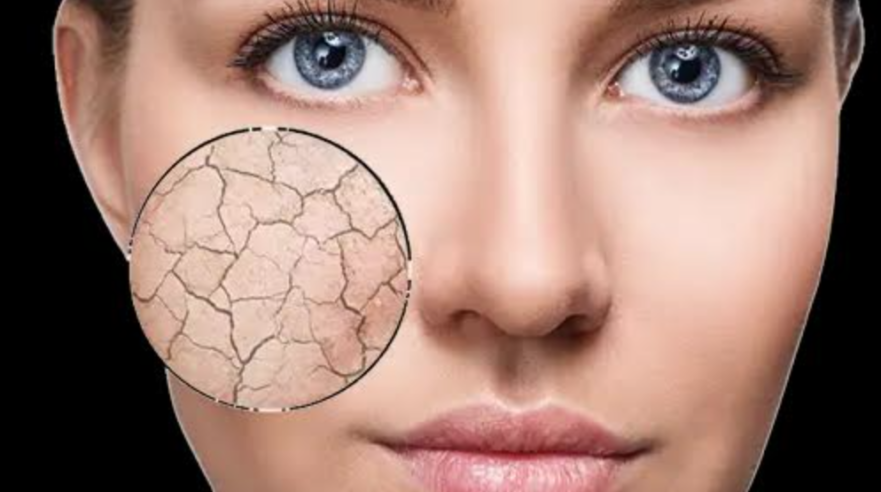
Understanding the nuances between dehydrated and dry skin can guide you to effective solutions.
Key Differences and Indicators
Dehydrated skin lacks water, while dry skin lacks oil. Dehydrated skin often feels tight and looks dull, whereas dry skin can feel rough and appear flaky. Recognising these differences helps tailor your skincare approach effectively.
Simple Tests for Dehydrated Skin
A simple test: gently pinch your cheek. If it wrinkles and doesn’t bounce back, it may be dehydrated. You can also notice if fine lines appear more pronounced. These are signs your skin needs hydration, not just moisture.
Effective Rehydration Techniques
To rehydrate, focus on incorporating hyaluronic acid into your routine. Drink plenty of water and use a humidifier to add moisture to the air. A fragrance-free moisturiser can help lock in hydration. Consider an occlusive balm at night for added protection.
Recognising Skin Inflammation
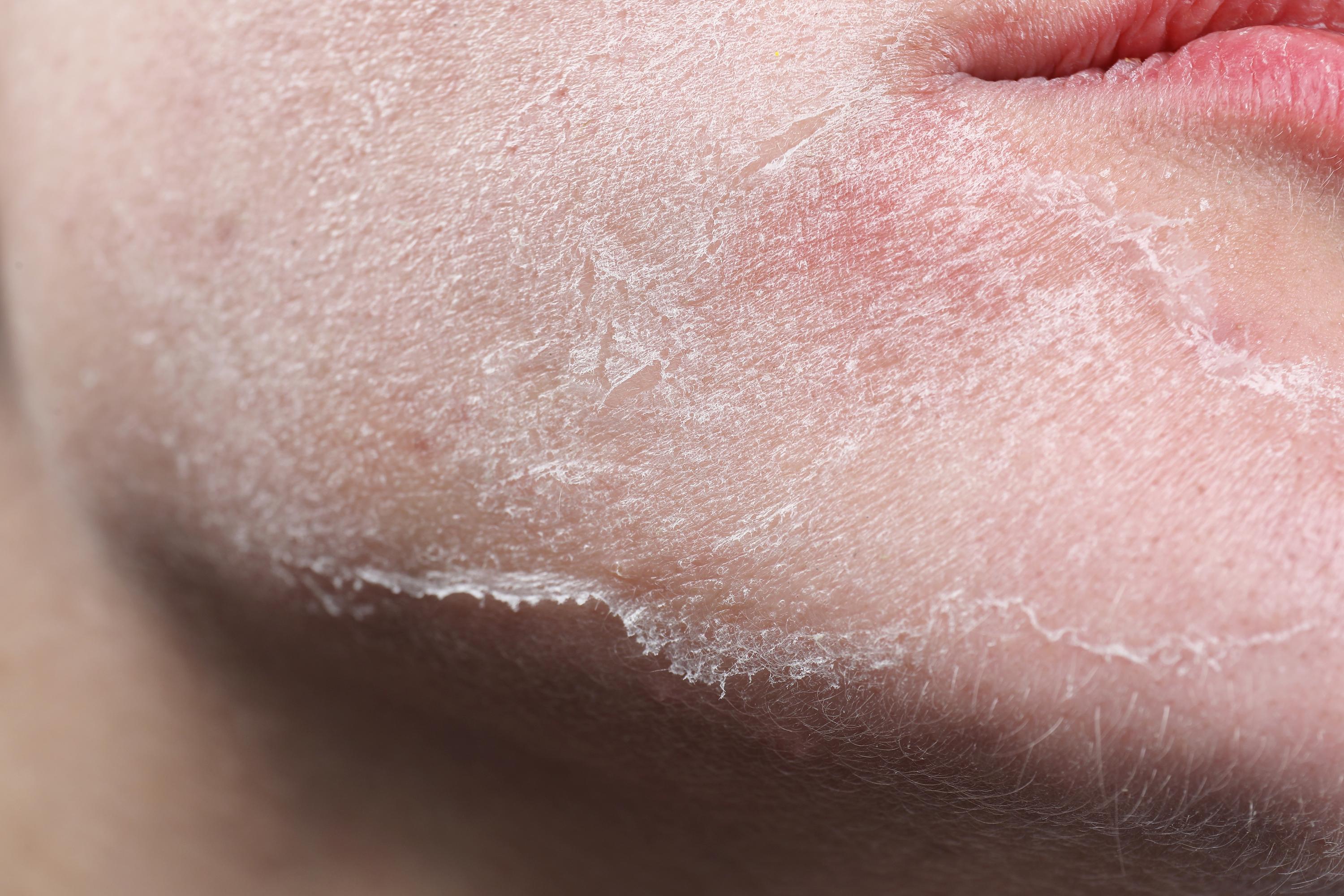
Inflammation isn’t just a temporary annoyance; it signals that your skin is in distress and needs care.
Common Skin Inflammation Signs
Look for signs like redness, swelling, and warmth. Inflammation might also cause itching or a burning sensation. These symptoms indicate your skin is reacting to an irritant or stressor.
Home Remedies for Reducing Inflammation
You can soothe inflammation with simple home remedies. Apply a cold compress to calm the skin. Use products with calming ingredients like chamomile or aloe vera. Reducing stress and avoiding harsh products can also help.
When to Seek Medical Advice
If inflammation persists or worsens, it’s time to consult a professional. Persistent symptoms might require expert evaluation to prevent long-term damage. Prioritising your skin health is vital for overall well-being.
Frequently Asked Questions
What causes skin barrier damage?
Skin barrier damage results from over-exfoliation, harsh products, or environmental stressors like pollution or extreme weather. It’s essential to protect your skin with gentle, hydrating products.
How can I tell if my skin is dehydrated or dry?
Dehydrated skin lacks water and feels tight, while dry skin lacks oil and feels rough. Pinch your skin gently; if it wrinkles, it may be dehydrated.
What should I do if my skin is inflamed?
For inflamed skin, use a cold compress and products with calming ingredients like chamomile. Avoid harsh products and seek medical advice if symptoms persist.
Can I fix a damaged skin barrier at home?
Yes, by simplifying your skincare routine and using products with ceramides and niacinamide. Avoid harsh exfoliants and be patient for results.
When should I see a doctor for skin issues?
Consult a professional if skin inflammation doesn’t improve with home care or if you experience persistent symptoms. Prioritising expert advice is crucial for long-term skin health.