

Your skin feels irritated, red, or sensitive, but is it simply a damaged skin barrier or something more serious? Knowing the signs of a damaged skin barrier can help you decide when to switch to barrier-supporting skincare and when to seek a medical review. This guide from Dr Sunny Dhesi at Vysana Clinic Rutland explains how to spot the difference and offers clear next steps for your skin health.
Understanding Skin Barrier vs. Medical Condition
Your skin might feel off, but how can you tell if it’s a minor issue or something that needs a doctor’s attention? Let’s explore the key differences between a damaged skin barrier and a medical skin condition.
Signs of a Damaged Skin Barrier
A compromised skin barrier often shows up as dryness, flakiness, redness, and sensitivity. You might notice your skin feels tight after washing, and products that never bothered you before now cause stinging or burning. This damage can happen due to over-exfoliation, harsh products, or environmental factors like cold weather. When your skin barrier is weakened, it can’t keep moisture in or irritants out, leading to increased trans-epidermal water loss.
If you’re seeing these signs, it’s usually time to switch to barrier-supporting skincare. Look for products with ceramides and cholesterol, which help restore your skin’s natural defences. But if the symptoms don’t improve, it might be time to consider other possibilities.
Red Flags for Medical Review
Some skin issues go beyond simple barrier damage and need medical evaluation. Persistent redness, severe itching, or any rash that doesn’t respond to usual care might indicate conditions like eczema, rosacea, or perioral dermatitis. If your skin suddenly breaks out in painful, cystic acne, it might be adult acne needing medical treatment. Unexplained spots or moles changing in size, shape, or colour are also reasons to see a doctor.
Chronic skin problems or sudden, severe changes usually signal that something more than skincare is needed. A GP can help diagnose the issue accurately and suggest effective treatments.
When to See a GP for Skin Problems
Deciding when to see a GP for skin issues can be tricky. If home treatments aren’t working, or symptoms worsen, it’s time to consult a doctor. A GP can distinguish between a condition needing medical intervention and one that can improve with skincare adjustments. In Rutland, Vysana Clinic offers trusted, doctor-led skin health consultations to address your concerns and guide you on the right path.
Effective Barrier-Supporting Skincare
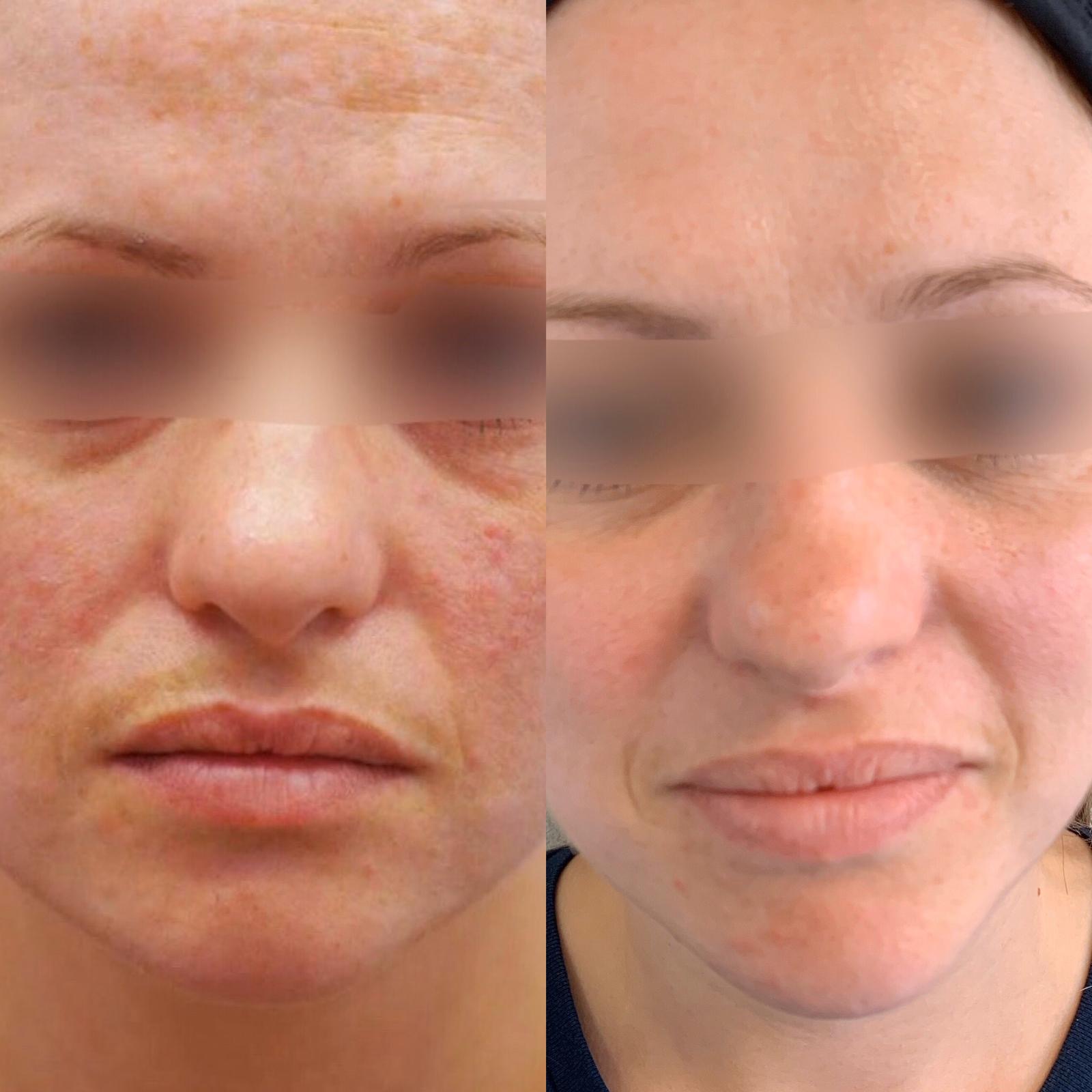
If you’ve identified that your concern is a damaged skin barrier, you’ll want a skincare routine that supports repair and protection. Let’s break down the essentials for effective barrier-supporting skincare.
Choosing a Gentle Cleanser
Start with a gentle cleanser to avoid further irritation. Look for a product that is soap-free and pH-balanced, which won’t strip your skin of its natural oils. Avoid foaming cleansers, as they can be too harsh for compromised skin. Simple is often best: a cleanser that effectively removes dirt and oil without leaving your skin feeling tight or dry is ideal.
Use lukewarm water when cleansing, as hot water can exacerbate dryness. Pat your skin dry with a soft towel, and avoid rubbing. Gentle care is key to allowing your skin to heal.
Fragrance-Free Moisturiser Essentials
A moisturiser without fragrance is crucial for sensitive or damaged skin. Fragrances can irritate and worsen the condition, so opt for something with simple, soothing ingredients. Look for products containing humectants like glycerin or hyaluronic acid, which draw moisture into the skin.
Moisturisers with occlusive agents such as petrolatum or dimethicone can help seal in hydration. Apply immediately after cleansing to lock in moisture, and reapply as needed throughout the day.
Importance of Ceramides and Cholesterol
Ceramides and cholesterol are lipids naturally found in your skin. They play a vital role in maintaining the skin’s barrier function. When the barrier is damaged, using products that contain these ingredients can help speed up repair.
Look for creams and lotions that list ceramides and cholesterol prominently on the label. These ingredients work together to restore the skin’s barrier, helping to reduce sensitivity and protect against future damage.
Vysana Clinic’s Approach to Skin Health
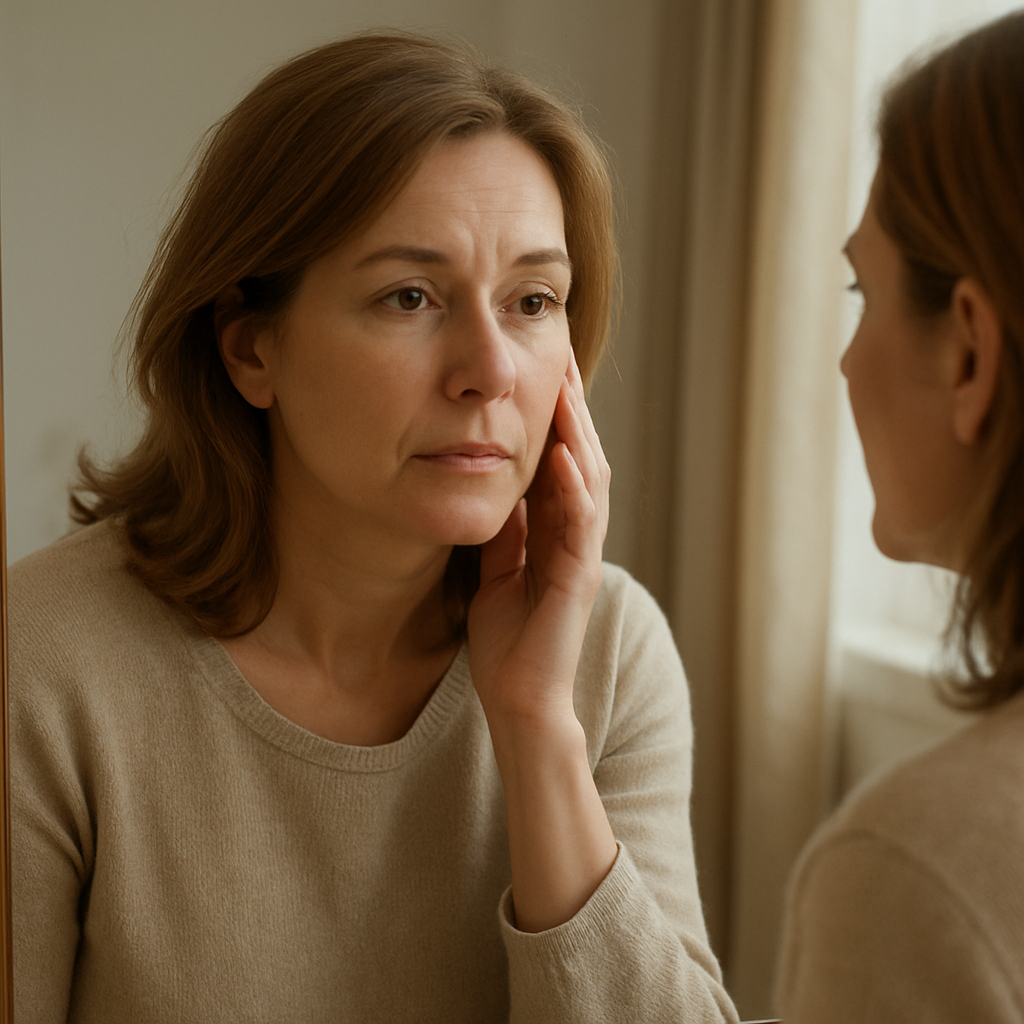
At Vysana Clinic, we take a comprehensive approach to skin health. Our services bridge the gap between medical care and advanced skincare to ensure the best outcomes for our patients.
GP-Led Skin Diagnosis and Care
Dr Sunny Dhesi leads our team with expertise in both general practice and aesthetics. We provide thorough skin examinations to identify underlying conditions, offering peace of mind and a clear treatment path.
By understanding your skin’s needs and history, we tailor our advice to help manage and improve your skin concerns effectively.
Personalised, Evidence-Based Skincare Plans
Every person’s skin is unique, and so should be their skincare routine. At Vysana Clinic, we develop personalised skincare plans based on evidence and tailored to individual needs. Our goal is to enhance skin health while preventing future issues.
Whether it’s addressing acne, eczema, or rosacea, our approach is grounded in science and adapted to your lifestyle and skin type.
Booking a Skin Health Consultation at Vysana Clinic
Ready to take control of your skin health? Booking a consultation at Vysana Clinic allows you to receive professional guidance tailored to your needs. Our team will work with you to develop a plan that aligns with your goals and lifestyle.
Frequently Asked Questions
What is a skin barrier, and why is it important?
The skin barrier is the outermost layer of your skin, responsible for keeping moisture in and irritants out. A healthy barrier is essential for maintaining hydrated and resilient skin.
How can I repair my damaged skin barrier at home?
Use a gentle cleanser, a fragrance-free moisturiser, and products containing ceramides and cholesterol. Avoid harsh exfoliants and hot water, and prioritise hydration.
When should I see a doctor about my skin condition?
If you experience persistent redness, severe itching, or sudden changes in your skin that don’t improve with home care, consult a GP.
Can skincare products really make a difference in my skin health?
Yes, using the right products can support barrier repair and improve skin health. Avoid harsh ingredients and choose those that hydrate and protect your skin.
What services does Vysana Clinic offer for skin health?
Vysana Clinic provides GP-led skin consultations, personalised skincare plans, and evidence-based treatments for various skin concerns, ensuring comprehensive care.