

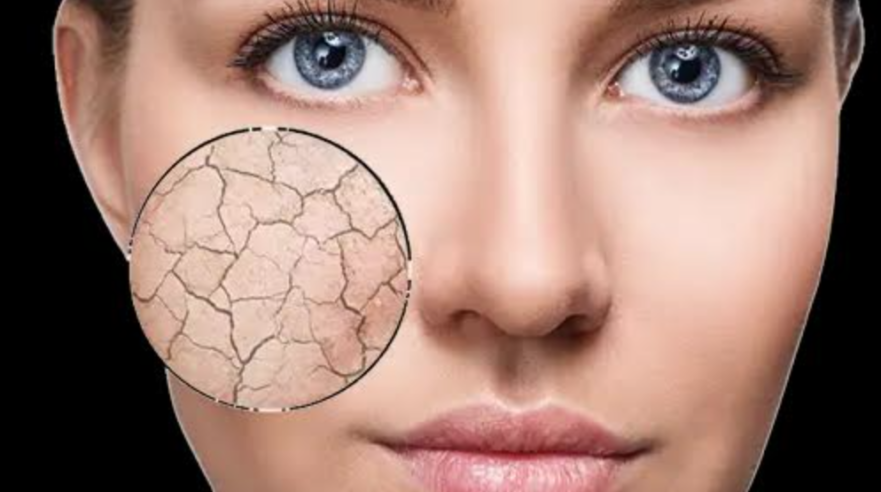
Dry, flaky skin can mean more than just a lack of moisture. Sometimes it signals dehydrated skin struggling with transepidermal water loss, a damaged skin barrier needing repair, or an underlying issue requiring a doctor’s attention. Knowing which problem you’re facing helps you choose the right care, from barrier-supporting moisturisers to medical review. Here’s how to tell what your skin really needs—and when to seek expert help from Vysana Clinic’s doctor-led team. For more information on skin barrier health, you can check this resource.
Understanding Your Skin’s Needs
Your skin can tell a story. Whether it’s thirsting for hydration or dealing with more serious concerns, understanding your skin’s needs is crucial.
Recognising Dehydrated Skin
Dehydrated skin lacks water, making it feel tight and appear dull. This condition often results from environmental factors or inadequate water intake. To help your skin, consider using products with ingredients like hyaluronic acid, which is known for its hydrating properties. Incorporating more water into your daily routine can also make a difference. Dehydrated skin can sometimes be confused with dry skin, but the key is understanding that dehydration is about lacking water, not oil.
Identifying Barrier Damage
A damaged skin barrier can lead to irritation and increased sensitivity. If your skin feels like it’s burning or stinging after applying products, it might be compromised. Look for signs like redness, flakiness, or itchiness. In this case, using a barrier-supporting moisturiser with ceramides can help. These products work to restore your skin’s natural defence system. For a more detailed understanding, check this guide.
When to Consult a Doctor
If symptoms persist, it might be time to see a doctor. Persistent irritation, unexplained rashes, or recurring flare-ups can be signs that professional advice is needed. Conditions like eczema, rosacea, and persistent acne may require targeted treatments. At Vysana Clinic, our expert team is ready to provide the guidance and care you need.
At-Home Skin Checks
Before seeking professional help, there are simple checks you can do at home to assess your skin’s condition.
Simple Hydration Tests
A pinch test can quickly reveal dehydration. Gently pinch your cheek and observe how quickly the skin returns to normal. Slow recovery suggests dehydration. Another method is to check if your skin lacks its usual bounce. Incorporating products with humectants, like glycerin, can help draw moisture into the skin, improving its plumpness.
Assessing Barrier Support Needs
If your skin reacts adversely to new products, it might need barrier support. Consider using fragrance-free skincare to minimise irritation. Patch testing new products before full application can also prevent exacerbating barrier issues. Simple, gentle routines often work best for compromised skin.
Spotting Red-Flag Symptoms
Some symptoms require immediate attention. If you notice persistent redness, scaling, or severe itching, these could be signs of serious conditions like dermatitis or an allergic reaction. It’s essential to monitor these symptoms closely and seek professional advice if they worsen.
Personalised Care at Vysana
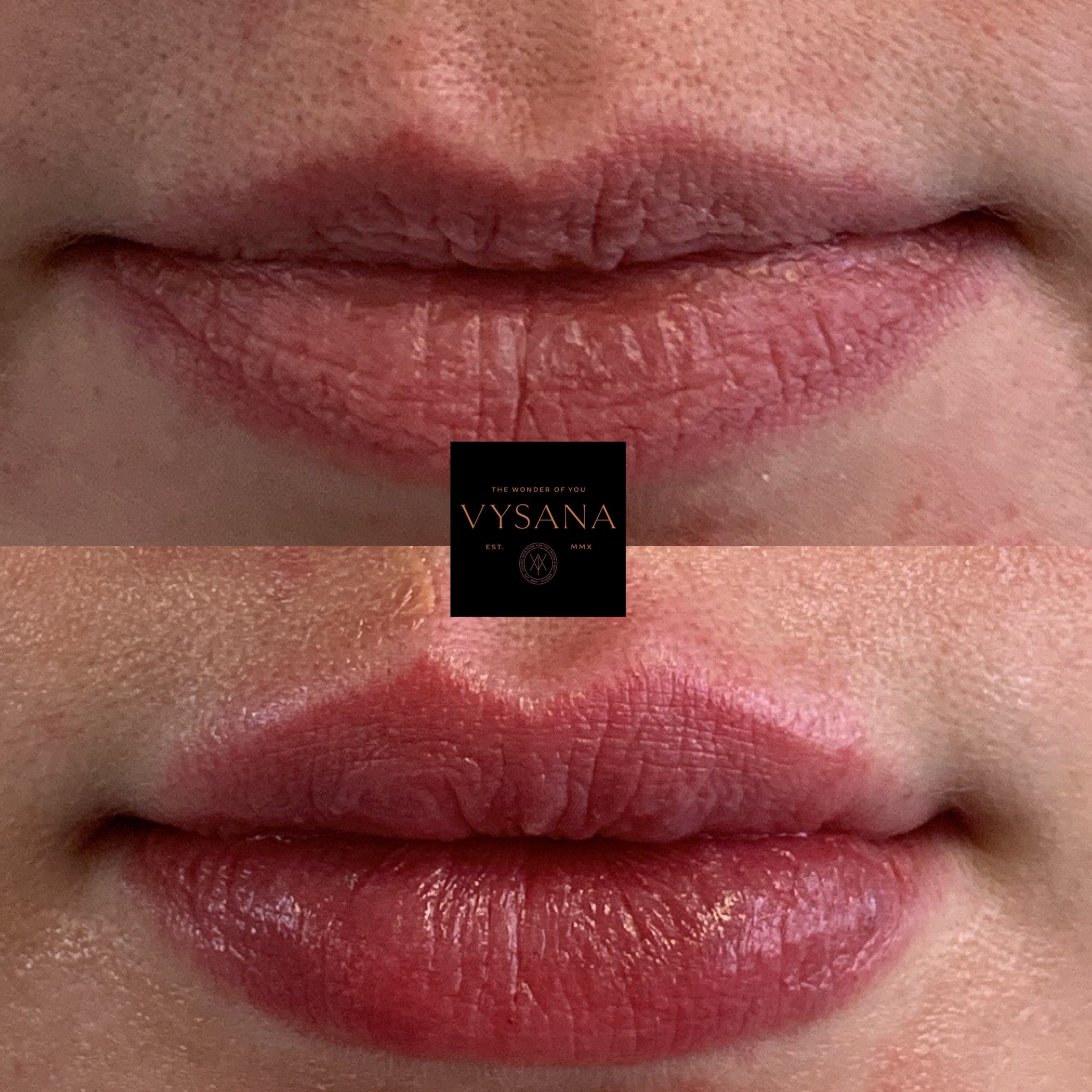
At Vysana, we offer a range of services tailored to your skin’s specific needs, ensuring you receive the best care possible.
Doctor-Led Skincare Consultations
Our consultations begin with a comprehensive skin assessment. We consider factors like hormonal changes and lifestyle to provide a personalised plan. Whether addressing acne and barrier damage or seeking natural aesthetic results, our team ensures you get the care you need.
Advanced Skincare Treatments
Vysana Clinic offers advanced treatments designed to rejuvenate and repair. From nourishing facials to targeted therapies for transepidermal water loss, we use evidence-based methods to promote skin health. Book a skin consultation in Rutland to explore your options.
Private GP Services for Skin Concerns
For more complex skin issues, our private GP services provide comprehensive care. Whether dealing with rosacea flare-ups or seeking advice on ageing skin, our GP services ensure you receive expert medical attention. Trust in our doctor-led approach for peace of mind and optimal skin health.
Frequently Asked Questions
What is transepidermal water loss?
Transepidermal water loss (TEWL) is when water passes from the skin’s deeper layers to the surface and evaporates. This can lead to dehydration and compromised skin barrier function.
How can I repair my skin barrier?
To repair your skin barrier, use products rich in ceramides and niacinamide. Avoid harsh exfoliants and opt for gentle cleansers. Keeping your routine simple helps prevent further damage.
When should I see a doctor for skin issues?
See a doctor if you experience persistent irritation, unexplained rashes, or recurring skin flare-ups. These could indicate underlying conditions needing medical intervention.
By understanding the signs and taking appropriate action, you can maintain healthy, resilient skin. If in doubt, the Vysana Clinic team is here to help you every step of the way.