

Your skin may be sending mixed signals: is it crying out for barrier repair, just thirsty with dehydration, or warning you to see a doctor? Sorting out dehydrated skin vs dry skin can be tricky, especially when signs of damaged skin barrier mimic other issues. This guide will help you spot red flags, understand transepidermal water loss (TEWL), and decide when to book a Skin Health & Barrier Assessment with Dr Sunny Dhesi at Vysana Clinic in Rutland. Learn more about skin barrier repair.
Understanding Your Skin’s Needs
Caring for your skin starts with understanding its unique needs. Let’s explore the differences between dehydrated skin and dry skin, and what a damaged skin barrier might mean for you.
Is It Dehydrated or Dry?
Dehydrated skin lacks water, while dry skin lacks oil. If your skin feels tight and looks dull, you might be dealing with dehydration. On the other hand, if it’s flaky or rough, dryness could be to blame. Dehydration can affect anyone, but dry skin is usually a skin type. To tackle dehydration, focus on hydrating products containing hyaluronic acid. For dryness, opt for nourishing oils and creams rich in ceramides.
Signs of a Damaged Skin Barrier
A damaged skin barrier can lead to irritation, redness, and increased sensitivity. This barrier keeps moisture in and harmful elements out. When compromised, your skin loses water, a process known as transepidermal water loss (TEWL). Look out for persistent dryness, itchiness, and burning sensations. Discover more about TEWL.
When to Consult a GP
Sometimes, skin issues need a professional touch. If home remedies don’t improve your skin, or if you notice severe redness, swelling, or pain, it’s time to see a GP. Conditions like eczema, rosacea, or persistent acne may require a medical diagnosis and treatment plan.
At-Home Checks and Treatments
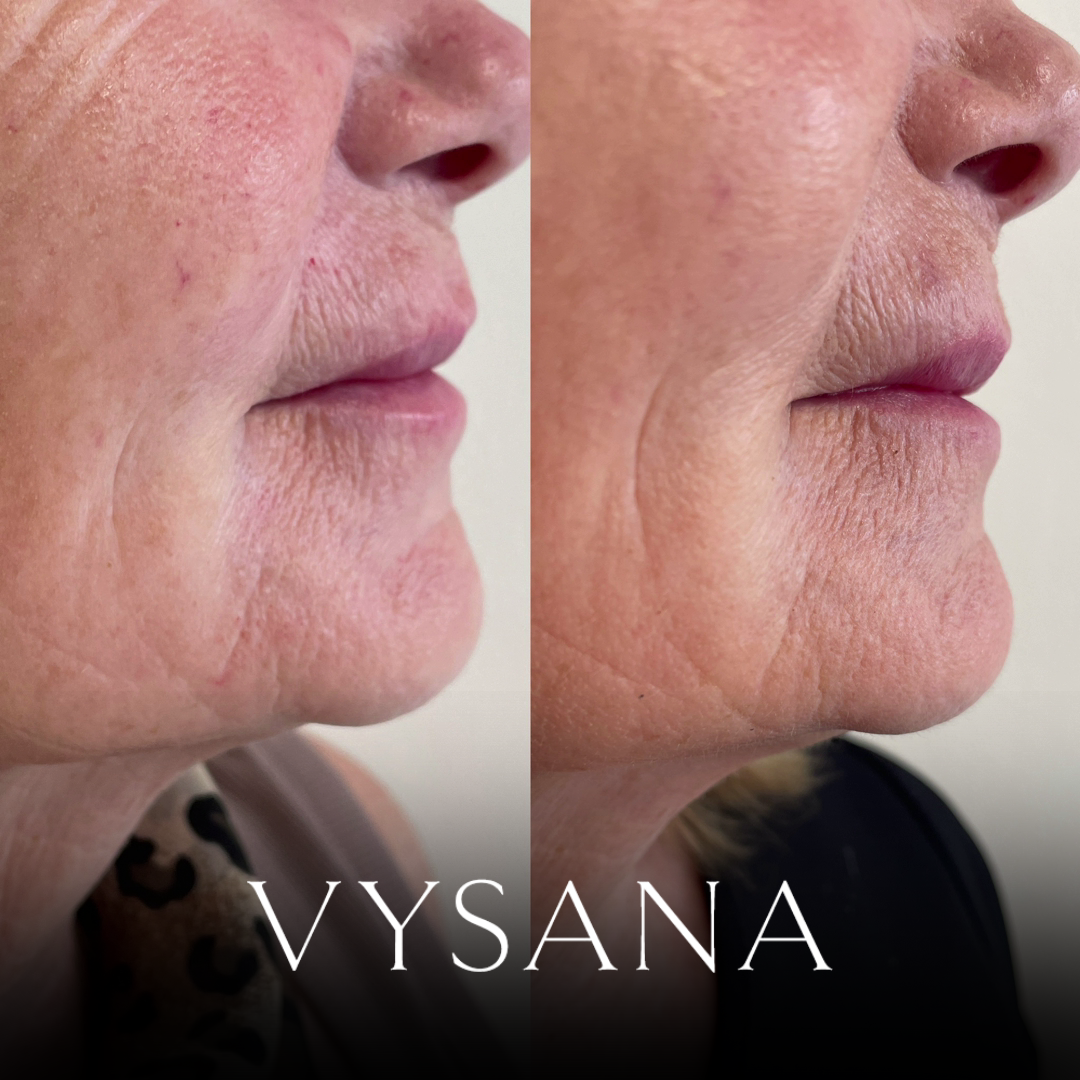
Before seeking expert help, there are several at-home methods you can try to check and treat your skin. These steps might offer relief or clarify whether professional care is needed.
Conducting a Skin Barrier Self-Check
Performing a self-check can help determine the state of your skin barrier. Start by observing your skin: Is it red or inflamed? Does it feel rough or sensitive? Next, gently press on your skin. If it leaves a mark or feels tender, your barrier might be compromised. Learn how to tell if your skin barrier is damaged.
Effective Hydration and Barrier Repair
Hydration is key to repairing your skin barrier. Use a moisturiser containing ceramides and lipids to replenish your skin’s natural oils. Incorporate a barrier cream to lock in moisture and shield against environmental stressors. Drinking plenty of water and using a humidifier can also boost hydration from the inside out.
Managing Retinoid Irritation
Retinoids can improve skin texture, but they may also irritate. To avoid this, start with a low concentration and gradually increase usage. Apply moisturiser before retinoid to buffer the skin. If irritation persists, reduce application frequency or consult with a professional. Watch a guide on managing retinoid irritation.
Expert Help and Next Steps

If at-home treatments aren’t enough, professional guidance could be your next step. Vysana Clinic offers comprehensive services tailored to your skin’s needs.
Vysana Clinic’s Skin Health Assessment
At Vysana Clinic, we offer detailed skin health assessments. Dr Sunny Dhesi evaluates your skin’s condition, identifying issues like barrier damage, dehydration, or underlying conditions. This personalised approach ensures you receive the right care and treatment plan.
Private GP Services in Rutland
Our clinic provides private GP services, offering you swift access to medical expertise. Whether you’re dealing with skin issues or other health concerns, our services are designed to be convenient and comprehensive, ensuring you receive the care you need promptly.
Booking Your Consultation with Dr Sunny Dhesi
Booking a consultation with Dr Sunny Dhesi is a step towards healthier skin. Our expert-led practice ensures that you receive personalised advice and treatment options tailored to your unique skin concerns. Take charge of your skin health and schedule an appointment today.
Frequently Asked Questions
What is the difference between dehydrated skin and dry skin?
Dehydrated skin lacks water, leading to a tight, dull appearance. Dry skin, however, is a skin type that lacks oil, resulting in flakiness and rough texture.
How can I tell if my skin barrier is damaged?
Signs of a damaged skin barrier include persistent dryness, redness, sensitivity, and itchiness. A simple self-check for tenderness or inflammation can also indicate barrier issues.
When should I see a doctor for my skin concerns?
Consult a doctor if your skin shows severe redness, swelling, pain, or if home treatments don’t improve conditions like acne, eczema, or rosacea.
How do I manage retinoid irritation?
To manage retinoid irritation, start with a low concentration, gradually increase usage, and apply moisturiser before retinoid. If irritation continues, reduce frequency or seek professional advice.
What does a skin health assessment at Vysana Clinic include?
A skin health assessment at Vysana Clinic includes a detailed evaluation of your skin’s condition, identifying issues like barrier damage or dehydration, and providing a personalised treatment plan.