

Dry, dehydrated, or an overwhelmed barrier? How to tell the difference—and fix it
Many people confuse dry skin with dehydrated skin or blame irritation on the wrong cause. The truth is, each condition has distinct signs and needs a different approach. Understanding the difference between dry skin vs dehydrated skin and recognising an overwhelmed skin barrier could save your skin from months of frustration. This guide breaks down simple tests, common triggers, and clear steps to restore your skin’s health—so you can feel comfortable and confident again. For more information, you can explore this resource.
Understanding Skin Types
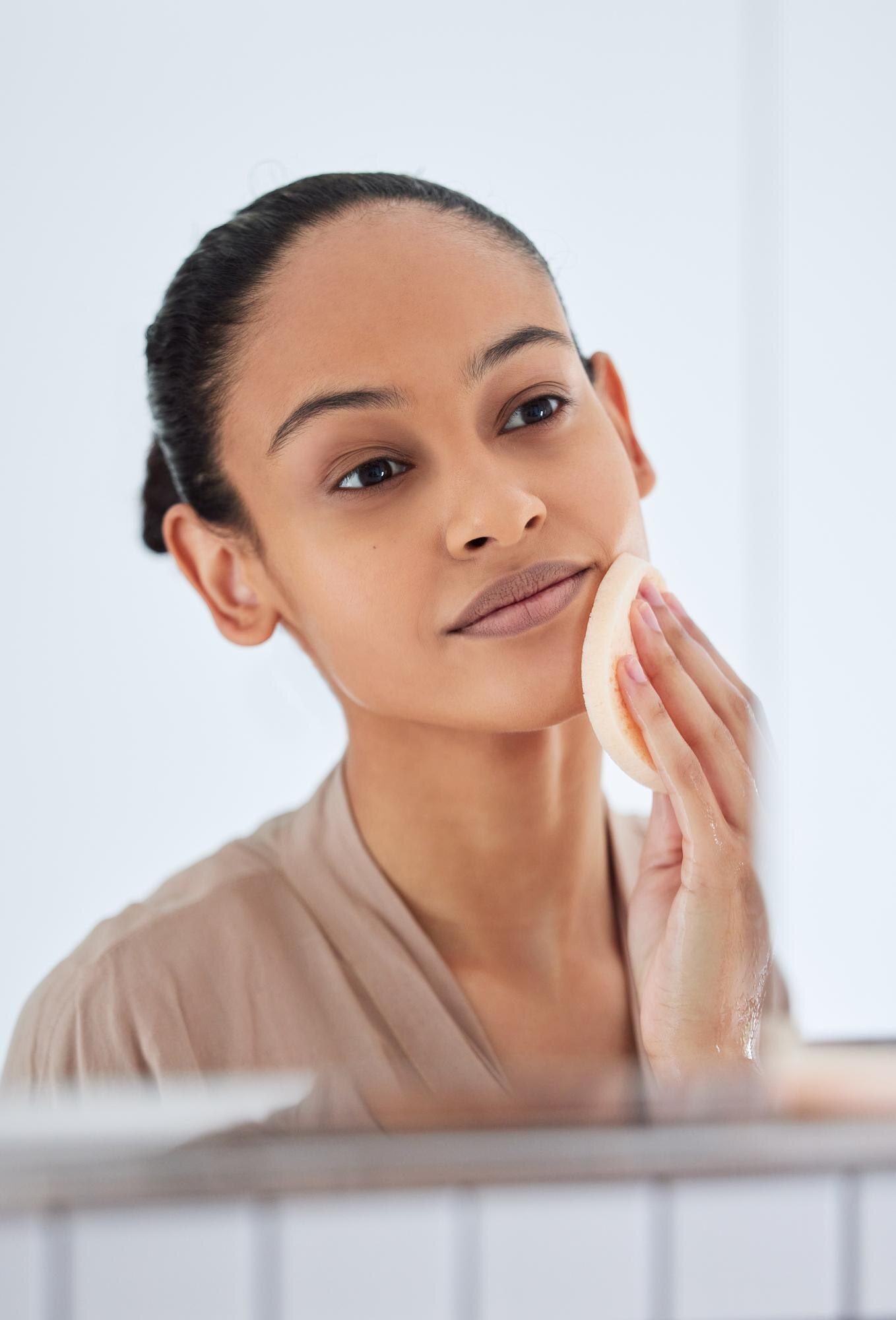
Knowing your skin type is the first step to addressing any issues. Once you pinpoint the root cause, you can take targeted action to improve your skin’s health.
Dry Skin vs Dehydrated Skin
Dry skin lacks oil, while dehydrated skin lacks water. They’re not the same, and each needs a different approach. Dry skin feels tight and may flake. It’s often a genetic condition. Dehydrated skin feels rough and looks dull. It can happen to anyone, often due to external factors.
For dry skin, focus on moisturising with occlusives like petrolatum or mineral oil. These lock in moisture. Dehydrated skin benefits from humectants like hyaluronic acid. These draw water into the skin, giving it a plumper appearance. You can read more about these differences on Healthline.
Identifying an Overwhelmed Skin Barrier
An overwhelmed skin barrier can cause irritation and redness. This happens when the protective layer on your skin gets damaged. Over-exfoliation or using harsh products can trigger this condition. Signs include sensitivity, itchiness, and even breakouts.
The skin barrier acts like a shield, keeping irritants out and moisture in. When it’s damaged, you might notice more transepidermal water loss (TEWL). Repair requires soothing ingredients like ceramides. Find out more about barrier repair at Paula’s Choice.
Key Symptoms to Recognise
Recognising symptoms early can save your skin from damage. Dry skin often shows as rough patches and flaking. Dehydrated skin may appear dull, with fine lines more visible. An overwhelmed barrier leads to redness and irritation.
Remember: Each condition has unique triggers. Knowing these can help you choose the right treatments. For more insights, visit Westwood Dermatology Group.
Conducting At-Home Skin Checks
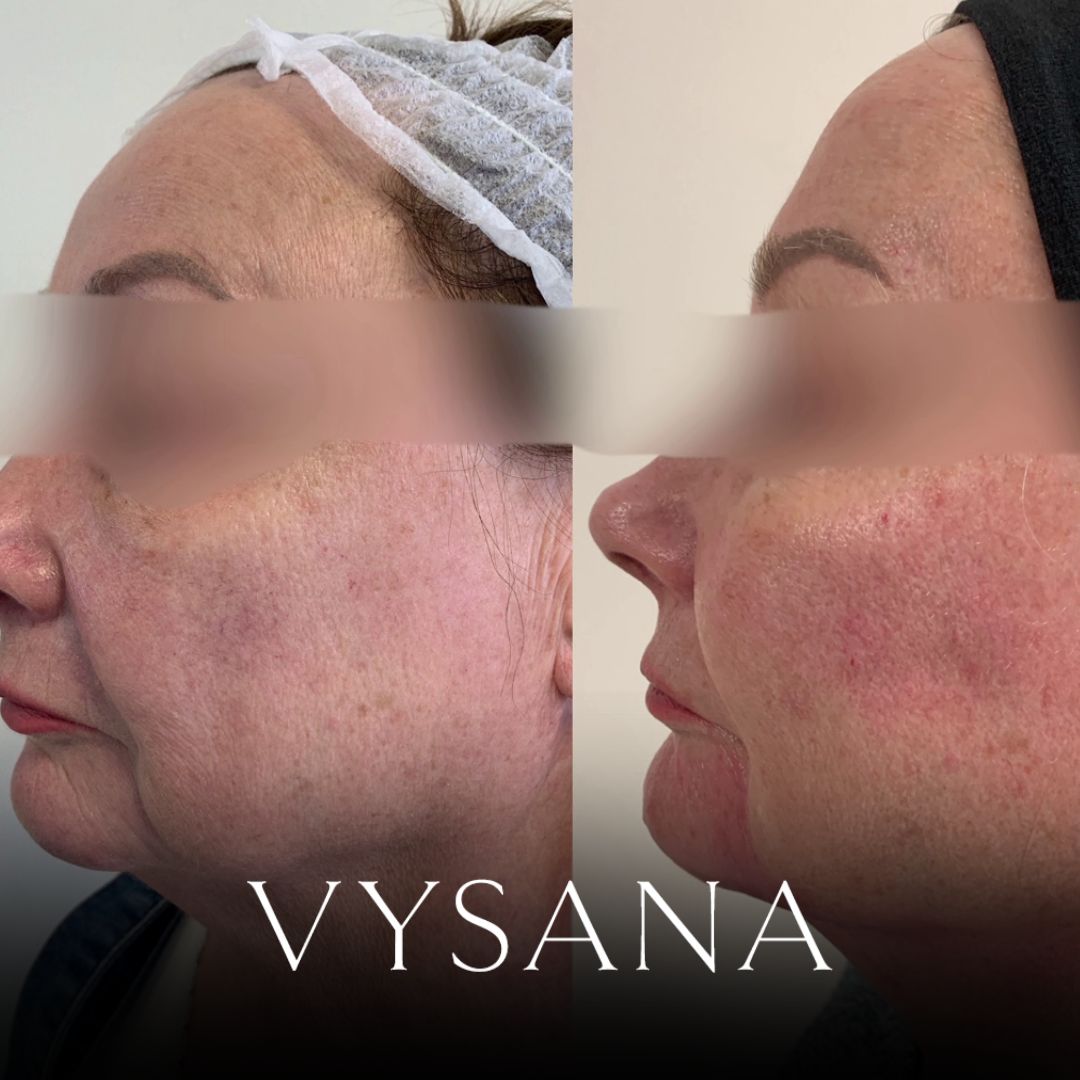
Before investing in products, try these simple at-home tests. They can help you determine your skin’s needs without a trip to the clinic.
Blotting Test for Oil Levels
This test checks how much oil your skin produces. Press a clean tissue on your face and see if it picks up oil. If it does, you likely have oily skin. If not, your skin may be dry or normal.
Using this test, you can adjust your skincare routine. Oily skin benefits from oil-free moisturisers. Dry skin needs richer formulations. This insight into your oil levels helps tailor your approach, as detailed on Lucy Bee.
Pinch Test for Hydration
The pinch test is quick and easy. Gently pinch the skin on your cheek and observe how it reacts. If the skin returns slowly, it might be dehydrated. Fast rebound indicates good hydration.
Using this test, focus on increasing water intake and using hydrating serums. Hyaluronic acid is excellent for boosting moisture levels. This test can guide your skincare routine effectively.
Recognising Barrier Damage
Feeling stinging after applying products? It could be barrier damage. Look for redness and sensitivity. These signs suggest your barrier needs care.
Opt for products with ceramides and niacinamide. These ingredients help soothe and repair the skin. For extensive advice on your skin barrier, visit CeraVe.
Effective Solutions for Healthier Skin
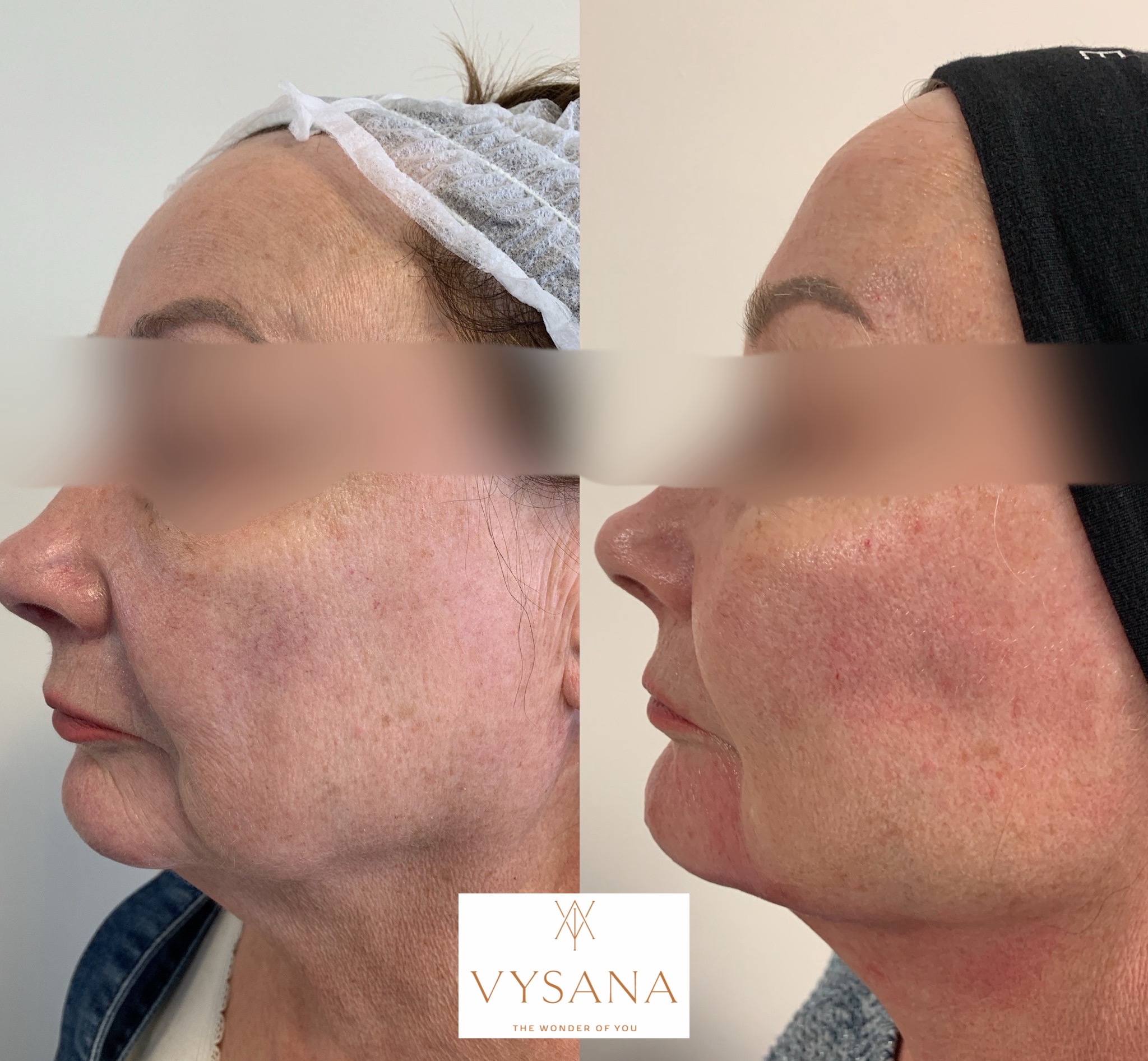
Understanding your skin’s needs is key to finding the right solutions. Here, we explore ingredients and routines to restore balance and comfort.
Choosing the Right Skincare Ingredients
Selecting the right products can make a world of difference. For dry skin, go for emollients and occlusives. These help seal in moisture. Dehydrated skin benefits from humectants like glycerin. They draw water into the skin.
An overwhelmed barrier needs ceramides to repair itself. Omega fatty acids also help strengthen the barrier. Choosing wisely can transform your skincare routine.
Building a Sensitive Skin Routine
A gentle routine is essential for maintaining skin health. Use mild cleansers and avoid harsh scrubs. Introduce products slowly to monitor reactions.
Incorporate barrier repair creams and soothing serums. Avoid triggers like alcohol in products. A sensitive skin routine prioritises care and protection.
When to Seek Professional Advice
Sometimes home care isn’t enough. If symptoms persist, consult a professional. Chronic issues like eczema or persistent redness may need medical attention.
At Vysana Clinic, we offer comprehensive care. Our skin consultations in Rutland provide targeted solutions. Dr. Sunny Dhesi’s expertise ensures your skin gets the personalised attention it deserves.
Conclusion
Understanding your skin is the first step to achieving balance and comfort. Whether it’s dry, dehydrated, or suffering from an overwhelmed barrier, there’s a solution for you. By following the right steps and seeking professional help when needed, you can restore your skin’s health and confidence. Remember, your skin is unique. Treat it with the care it deserves.