

Dry skin, dehydration and a compromised skin barrier often get mixed up—but they’re very different issues with distinct causes and fixes. You might be battling tightness, flaking or redness and wonder which one is affecting you. Understanding the difference is key to choosing the right treatment and avoiding common mistakes. Here’s how to spot the signs, run simple tests at home, and know when it’s time to seek expert advice from Vysana Clinic’s doctor-led team. For more on this topic, you can read this article.
Understanding Skin Concerns
Knowing what’s happening with your skin can be complicated, but it’s a puzzle worth solving. Let’s break down the differences between dry skin, dehydration, and skin barrier issues.
Dry Skin vs Dehydrated Skin
Dry skin lacks oil, while dehydrated skin lacks water. If your skin feels rough and flaky, it’s likely dry. With dehydration, your skin might feel tight and look dull. You can read more about the differences here. Dry skin often needs more moisture, while dehydrated skin benefits from water-based products. Emollients are great for dry skin. They create a barrier to keep moisture in. On the other hand, humectants are your best friend for dehydrated skin. They draw moisture into the skin from the environment.
Recognising a Compromised Skin Barrier
When your skin barrier is compromised, it can’t protect you as well from the outside world. Signs include redness, itching, and increased sensitivity. This can happen due to over-exfoliating or using harsh products. When the barrier is damaged, it’s easier for irritants to get in and cause problems. This can lead to transepidermal water loss (TEWL), causing dehydration. Remember that a strong barrier keeps your skin safe and healthy.
Common Symptoms: Flaking and Redness
Flaking and redness can be symptoms of both dryness and a compromised barrier. If redness accompanies tightness, your skin might be dehydrated. Flaking, however, usually indicates a lack of oils. These symptoms can make makeup application tricky, as products might not sit well on the skin. Pay attention to these signs. They can guide you in adjusting your skincare routine to better suit your skin’s needs.
Simple At-Home Tests
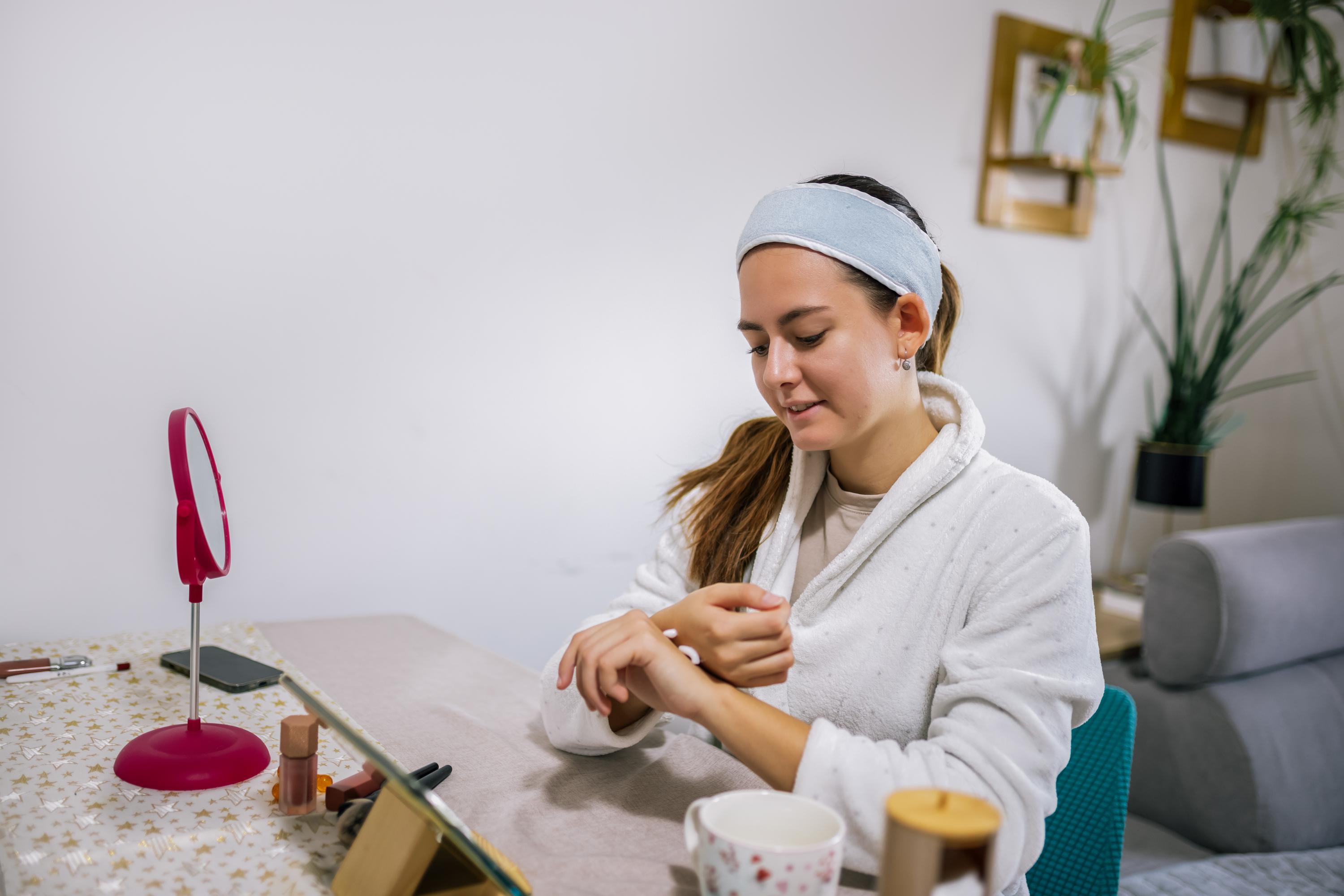
Testing at home can give you clues about what your skin needs. Here’s how you can identify if your skin is dry, dehydrated, or suffering from barrier damage.
Identifying Dryness and Dehydration
To test your skin, gently pinch your cheek. If it wrinkles with gentle pressure, it might be dehydrated. For dryness, feel your skin’s texture. Does it feel rough? Dry skin often has a rough texture due to lack of oil. With dehydration, you’ll notice dullness instead. This simple test can guide you towards the right solution: more oil for dryness or more hydration for dehydration. Find out more here.
Testing for Barrier Damage
A compromised barrier can be tricky to test for, but here’s a tip. If your skin stings when applying products, it might be a sign your barrier is weakened. Also, if you notice your skin reacting more to environmental factors like wind or pollution, this could indicate barrier issues. A healthy barrier helps your skin remain resilient against these external stressors.
Observing Skin Sensitivity and Stinging
Sensitivity and stinging are often the first clues that something is wrong. If your skin feels sensitive to the touch or stings with product application, it’s likely your barrier needs attention. Stinging is a particularly telling sign that your barrier is impaired. Consider this a red flag and focus on gentle, soothing skincare to help restore comfort.
Evidence-Based Solutions
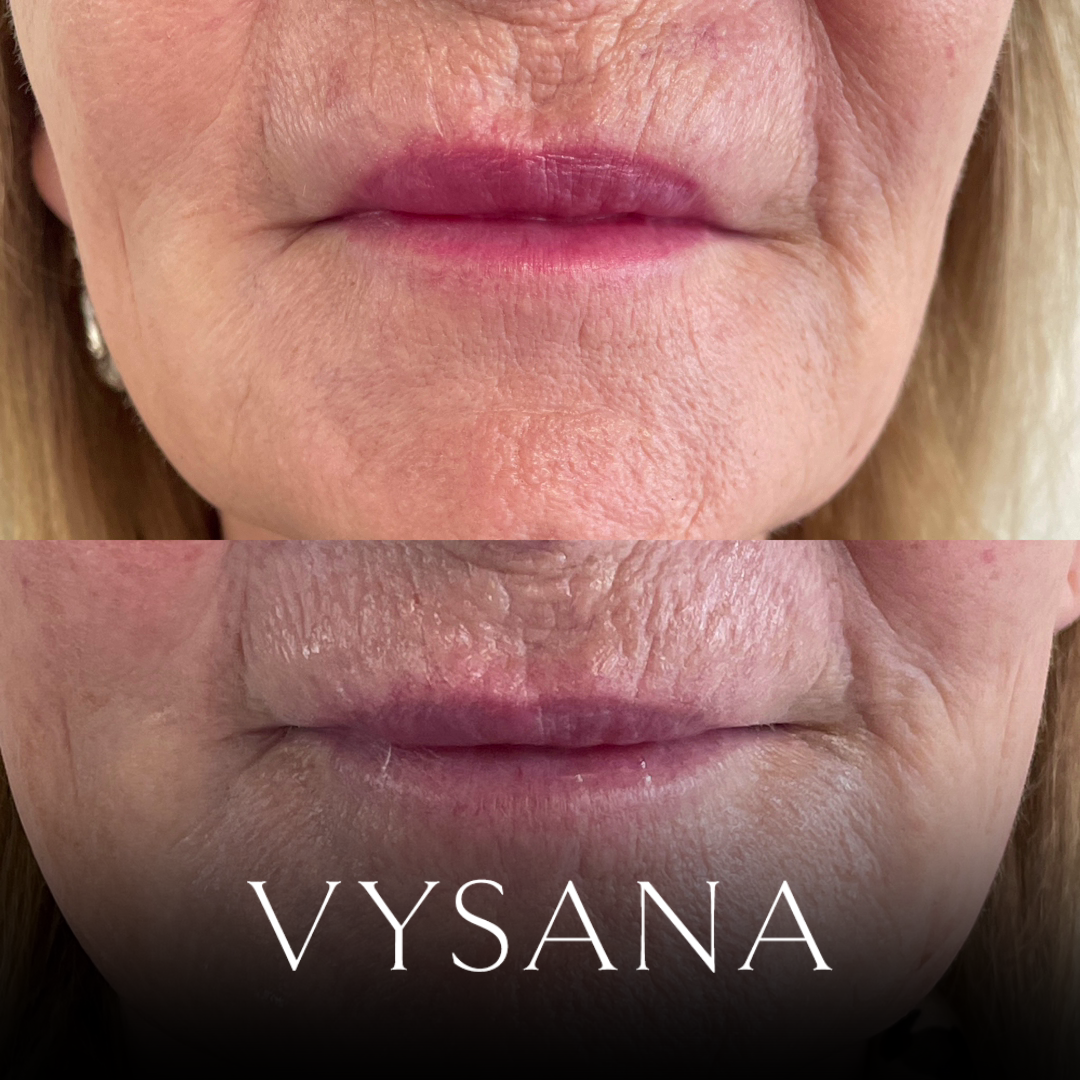
Finding the right routine can make all the difference. Here’s how to nurture your skin back to health with ingredient-focused care.
Barrier-Friendly Routine Recommendations
A barrier-friendly routine includes gentle cleansing, avoiding over-exfoliation, and using a good moisturiser. Look for products that don’t strip your skin of its natural oils. Be gentle with your face, patting it dry instead of rubbing. These practices help maintain a strong, healthy barrier that can protect against irritants and lock in moisture.
Importance of Ceramides and Hyaluronic Acid
Ceramides and hyaluronic acid are key players in skin health. Ceramides help repair and strengthen the barrier. They lock in moisture and keep irritants out. Hyaluronic acid is a powerful hydrator. It attracts water to the skin, keeping it plump and hydrated. Using products that contain these ingredients can significantly improve skin health. Explore more about ceramides here.
Role of Niacinamide and Gentle Exfoliation
Niacinamide is a multitasker. It reduces inflammation and helps with barrier repair. Gentle exfoliation removes dead skin cells without disturbing the barrier. Opt for products with mild exfoliants. This helps your skin absorb moisture better. Remember, less is more when it comes to exfoliation. Too much can harm your barrier.
Frequently Asked Questions
What is the difference between dry and dehydrated skin?
Dry skin lacks oil, while dehydrated skin lacks water. Dry skin often feels rough, whereas dehydrated skin feels tight and looks dull.
How can I tell if my skin barrier is damaged?
Signs of a damaged barrier include increased sensitivity, redness, and stinging when applying products. It might also react more to environmental factors.
What are the best ingredients for repairing a skin barrier?
Ceramides and hyaluronic acid are excellent for repairing the barrier. Niacinamide is also beneficial for reducing inflammation and strengthening the skin.
How often should I exfoliate if I have a compromised barrier?
Exfoliate gently and infrequently. Once a week is often enough. Over-exfoliating can further damage your skin barrier.
Can dehydration affect my skin’s appearance in photos?
Yes, dehydration can make fine lines appear more pronounced and skin look dull, affecting how it appears in photos. Keeping skin well-hydrated helps maintain a youthful glow.