

Dry, sensitive, or overworked skin often sends mixed signals that can leave you guessing what it really needs. Confusing dry skin vs dehydrated skin or spotting sensitive skin symptoms can make your skincare routine more frustrating than helpful. At Vysana Clinic Rutland, Dr Sunny Dhesi breaks down these signs and shares practical, evidence-based steps to restore your skin barrier and calm stressed skin. Let’s explore how to read your skin’s messages clearly—and respond the right way. For additional insights, you may find this resource useful.
Understanding Your Skin’s Needs
Figuring out your skin’s needs is like decoding a secret language. Let’s start by breaking it down.
Dry Skin vs Dehydrated Skin
Dry skin lacks oil, while dehydrated skin lacks water. This distinction is crucial to tailor your skincare. Dry skin often feels rough and might flake. It’s a constant condition. Dehydrated skin feels tight and can appear dull. It can happen to any skin type. If your skin is thirsty, load up on hydration with products containing glycerin and hyaluronic acid.
A simple test: pinch your cheek. If it wrinkles with gentle pressure, you’re likely dehydrated. Drink more water, and consider a hydrating serum. Understanding this difference can help you choose the right products and prevent further issues.
Sensitive Skin Symptoms
Sensitive skin reacts quickly to triggers. You may notice redness, itching, or burning. This can be due to genetic factors or external conditions like pollution or harsh weather. Sensitive skin symptoms can feel overwhelming, but knowledge is power.
Patch testing new products can help you identify irritants. Opt for fragrance-free skincare to minimize reactions. By recognising these symptoms, you can protect your skin from unnecessary stress and discomfort.
Recognising a Damaged Skin Barrier
A damaged skin barrier doesn’t protect as it should. You might experience constant dryness, sensitivity, or even breakouts. This barrier is your skin’s shield, keeping moisture in and irritants out. Over-exfoliation and harsh products are common culprits. Repairing your barrier is essential for healthy skin.
Seek products with ceramides and squalane to fortify your barrier. Reducing hot showers can also help. Remember, a healthy barrier is key to resilient skin.
Effective Skin Care Solutions

Now that you understand your skin’s signals, let’s discuss solutions to nurture and protect it.
Skin Barrier Repair Routine
To repair your skin barrier, focus on gentle care. Start with a non-stripping cleanser to maintain your skin’s natural oils. Pat your skin dry and apply a ceramide-rich moisturiser while it’s still damp. Repeat this routine daily for best results.
Avoid over-exfoliating. Once a week is enough for most skin types. Protect your skin with SPF every day, even in winter. These steps create a robust foundation for your skin to thrive.
Ingredients to Support Recovery
Certain ingredients can work wonders for your skin. Ceramides restore your barrier, while glycerin and hyaluronic acid draw moisture into your skin. Niacinamide soothes inflammation and strengthens your skin’s resilience.
Squalane is a fantastic hydrator, especially for dry skin. By incorporating these ingredients, you set your skin up for a smoother, healthier future.
Best Cleanser for Sensitive Skin UK
Choosing the right cleanser is crucial for sensitive skin. Look for a formula that’s gentle and fragrance-free. A creamy or milky cleanser is often the best choice. It cleanses without stripping, preserving your skin’s natural oils.
Be sure to rinse with lukewarm water, as hot water can aggravate sensitivity. With the right cleanser, you can maintain a clean yet calm complexion, reducing irritation and redness.
Expert-Led Skin Recovery
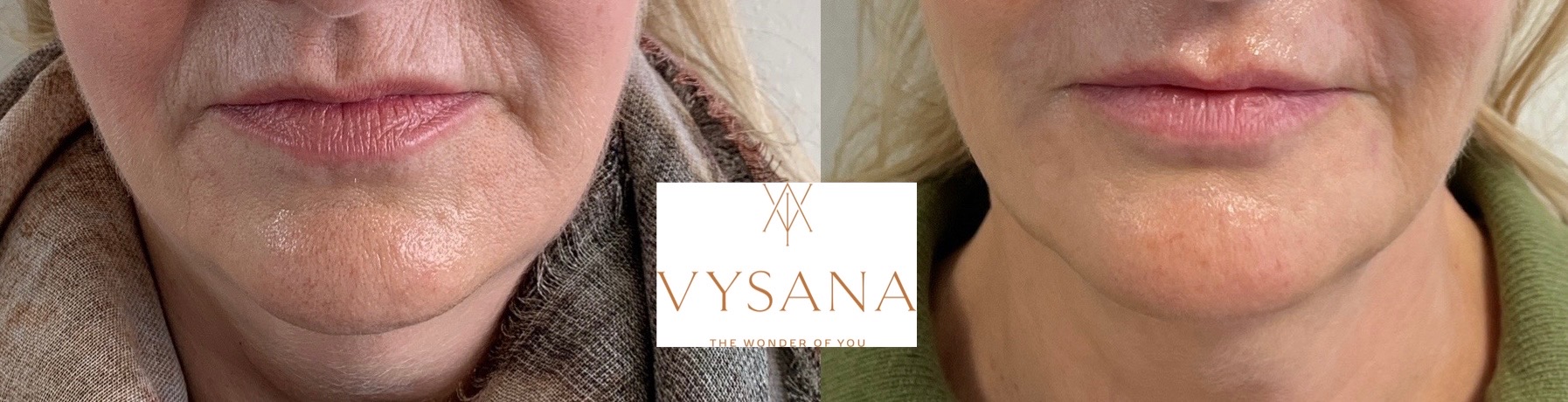
For those seeking advanced care, expert-led treatments can offer profound results.
Vysana Clinic’s Personalised Approach
At Vysana Clinic, we believe in personalised skin recovery. Dr Sunny Dhesi tailors treatments to your unique needs. Our approach combines medical insights with aesthetic expertise for optimal outcomes.
We assess your skin’s condition, history, and goals. This comprehensive evaluation guides us to develop a treatment plan that honours your skin’s needs. By choosing us, you’re choosing care that’s as individual as you are.
LED Light Therapy for Skin UK
LED light therapy is a gentle yet effective option for skin recovery. This treatment uses different light wavelengths to target various skin concerns. Red light stimulates collagen and reduces inflammation. Blue light targets bacteria, helping acne-prone skin.
Our clinic offers this service as part of our commitment to non-invasive skin health solutions. It’s a relaxing way to enhance your skin’s natural healing processes.
Private GP Skin Clinic Rutland
As a leading private GP skin clinic in Rutland, Vysana Clinic provides a seamless blend of healthcare and aesthetics. Dr Sunny Dhesi’s dual expertise ensures you receive comprehensive care.
Whether addressing hormonal changes or persistent skin issues, we offer the expertise and compassion you deserve. Experience the difference with our doctor-led approach to skin care.
Frequently Asked Questions
What is the main difference between dry and dehydrated skin?
Dry skin lacks natural oils, while dehydrated skin is lacking water. Dry skin is usually a long-term condition, whereas dehydration can affect any skin type temporarily.
How can I tell if my skin barrier is damaged?
Signs of a damaged skin barrier include persistent dryness, sensitivity, and breakouts. A compromised barrier fails to retain moisture and protect against irritants.
What ingredients should I look for to repair my skin barrier?
Key ingredients for barrier repair include ceramides, squalane, and niacinamide. These help restore the skin’s natural protective layer.
How often should I exfoliate if I have sensitive skin?
For sensitive skin, exfoliating once a week is generally sufficient. Over-exfoliation can lead to irritation and barrier damage.
Why is LED light therapy beneficial for skin health?
LED light therapy promotes skin healing by using different light wavelengths. Red light boosts collagen, while blue light targets acne-causing bacteria.