

Many people confuse dry skin with dehydrated skin, but the difference matters for how you care for your skin. Dry skin lacks oils and needs nourishment, while dehydrated skin is missing water and can happen to any skin type—even oily ones. Knowing how to tell the difference helps you choose the right routine and avoid common pitfalls that can make your skin worse. Here’s how to spot the signs and what to do next, whether at home or with expert advice at Vysana Clinic, Rutland.
Understanding Skin Differences
You may wonder why your skincare routine isn’t delivering the results you expect. Understanding whether your skin is dry or dehydrated can make all the difference in your approach.
Dry Skin vs Dehydrated Skin
Dry skin is a skin type, while dehydrated skin is a condition. Dry skin lacks natural oils necessary for maintaining a healthy barrier. It often feels rough and may flake. People with dry skin typically experience tightness and itching. Dehydrated skin, on the other hand, lacks water and can result from various factors such as weather or diet. This condition can affect any skin type, including oily skin. Look for signs like dullness and increased sensitivity to determine if your skin is dehydrated.
Key Symptoms to Recognise
Recognising symptoms is essential to tailor your skincare routine effectively. For dry skin, watch for redness, cracking, and a rough texture. These signs indicate a need for nourishment and moisture retention. Dehydrated skin might appear dull with exaggerated fine lines. It can feel tight, but unlike dry skin, it may also feel oily in certain areas as your skin tries to compensate for the lack of moisture. Addressing these symptoms can help you choose the right products and routines.
Common Triggers and Causes
Understanding what triggers your skin condition can prevent future issues. Dry skin often worsens with cold weather and hot showers, both of which strip your skin of its natural oils. Environmental factors like wind and low humidity can exacerbate the condition. Dehydrated skin, however, can be triggered by lifestyle factors such as insufficient water intake, using harsh cleansers, or consuming too much caffeine or alcohol. Identifying these triggers can help you adjust your habits and skincare products accordingly.
At-Home Skin Checks
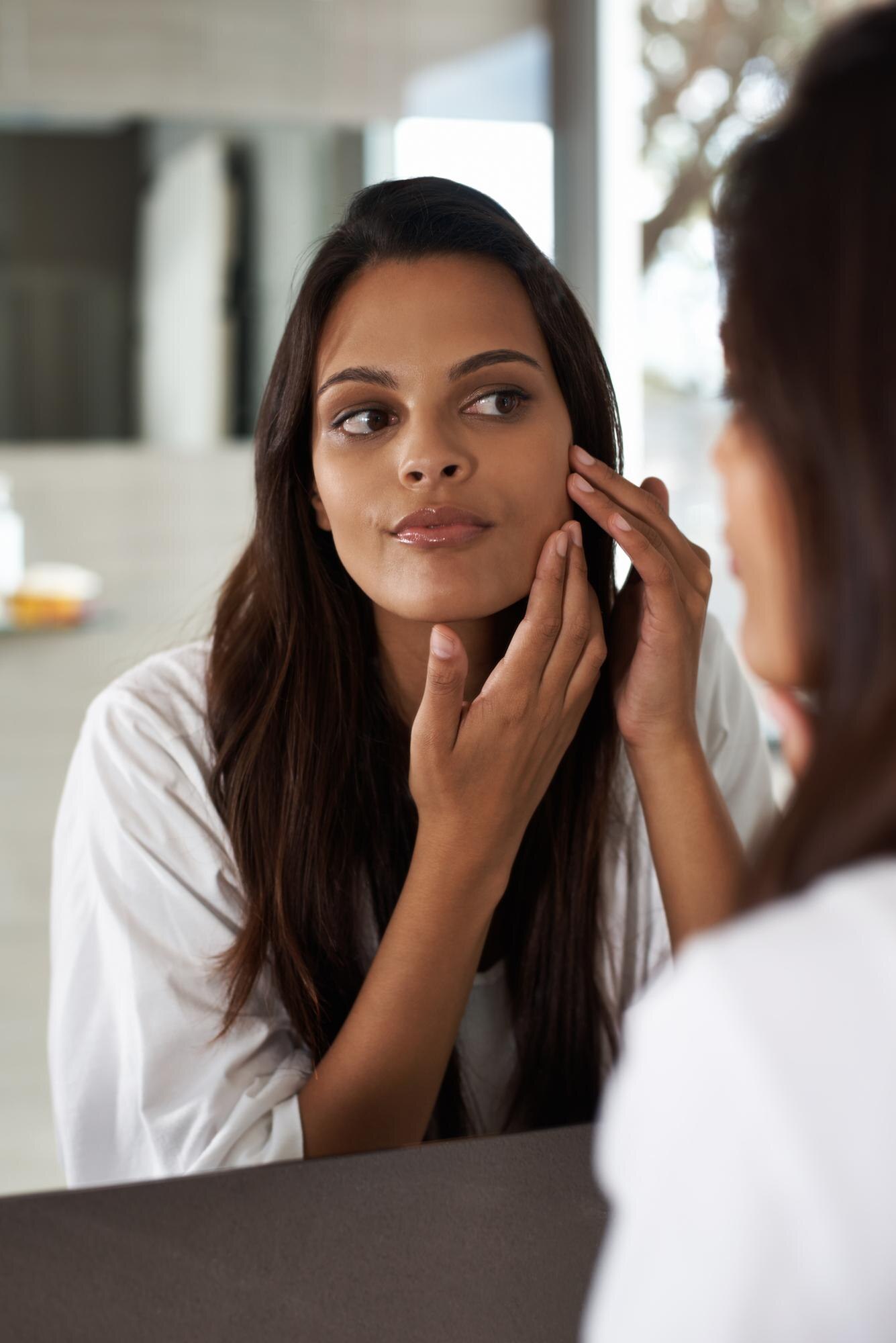
Before committing to new products, you can perform simple at-home checks to understand your skin better. These tests are quick and can provide immediate insights into your skin’s needs.
Simple Techniques for Diagnosis
To diagnose your skin condition, start with easy tests. The first step is to cleanse your face and observe how your skin feels afterward. If it feels tight and uncomfortable, it may be dehydrated. If it feels rough and flaky, dry skin could be the issue. Remember, understanding your skin is the first step to effective care.
Cleanse-and-Wait Method
After cleansing, wait a few minutes and refrain from applying any products. If you notice an oily shine, your skin might be dehydrated. Conversely, if it feels rough or you see flakes, it’s likely dry skin. This method helps pinpoint your skin’s immediate needs, allowing you to adjust your routine accordingly.
Pinch Test and Observations
The pinch test is another simple method to assess your skin. Gently pinch a small area of your cheek and observe the response. If it bounces back quickly, your skin is likely hydrated. If it takes time to return to normal, dehydration might be the culprit. This test provides a quick snapshot of your skin’s hydration levels.
Effective Skincare Solutions
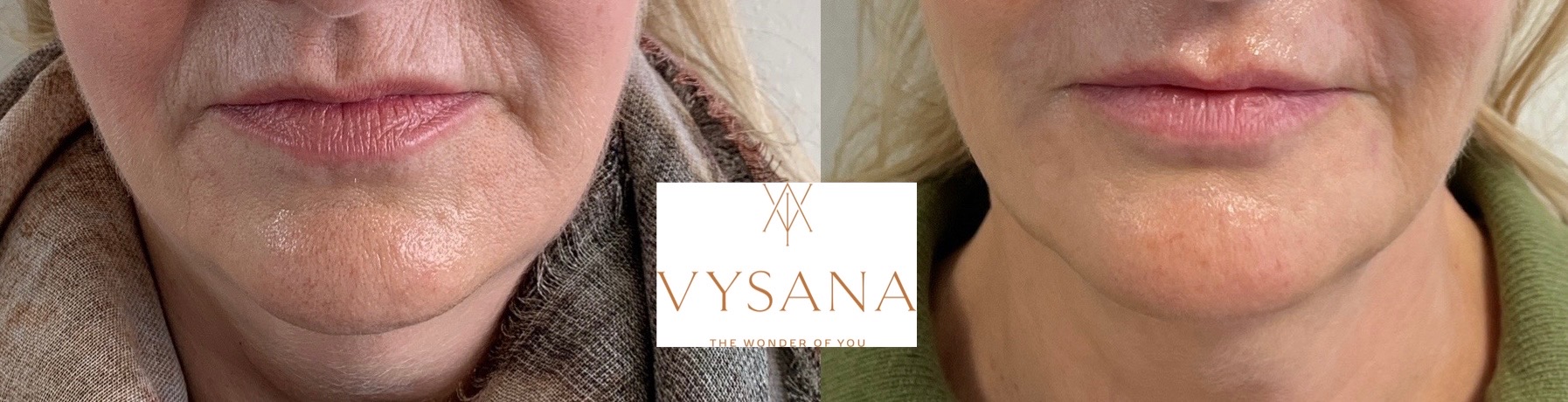
Now that you’ve identified your skin type, it’s time to explore solutions that cater specifically to your needs. Tailoring your skincare routine can make a significant difference in how your skin looks and feels.
Skincare for Dry Skin
Dry skin requires products that provide intense moisture and nourish the skin barrier. Look for creams rich in ceramides and emollients, which help lock in moisture. Avoiding hot water and opting for a gentle, hydrating cleanser can also prevent further drying. By focusing on moisture retention, you can enhance your skin’s natural oils.
Addressing Dehydrated Skin
For dehydrated skin, hydrating ingredients like hyaluronic acid or glycerin are key. These attract moisture and boost hydration. Also, consider using a hydrating serum before your moisturizer to maximize water retention. Be mindful of products with alcohol as they can strip moisture, worsening dehydration. With these adjustments, your skin can regain its healthy glow.
Lifestyle Changes for Better Hydration
Beyond products, your lifestyle impacts skin health significantly. Drink plenty of water and reduce caffeine and alcohol intake to maintain hydration levels. Incorporating omega-3-rich foods can support skin health. Remember, your skin reflects your overall health, so a balanced diet and hydration go hand in hand for glowing skin.
Frequently Asked Questions
What is the difference between dry skin and dehydrated skin?
Dry skin is a skin type that lacks oils, while dehydrated skin is a condition where the skin lacks water. Both require different care approaches to restore balance.
How can I test if my skin is dehydrated at home?
Perform the pinch test by gently pinching your cheek. If your skin takes time to bounce back, it’s likely dehydrated. Observing how your skin feels after cleansing can also provide clues.
What skincare ingredients are best for dry skin?
Ceramides and emollients are excellent for dry skin as they lock in moisture and repair the skin barrier. Avoid harsh cleansers that strip your skin’s natural oils.
Can oily skin be dehydrated?
Yes, even oily skin can be dehydrated. This can happen when the skin overproduces oil to compensate for a lack of moisture. Hydrating ingredients like hyaluronic acid can help.
What lifestyle changes can improve skin hydration?
Drinking more water, reducing caffeine and alcohol, and including omega-3-rich foods in your diet can enhance skin hydration. These changes support overall skin health and improve hydration levels.