

Dry skin and dehydrated skin often get mixed up, but treating them the same way can make things worse. Knowing the difference matters because dry skin lacks oil, while dehydrated skin means your skin is short of water. In this post, you’ll learn how to spot each type at home, understand what’s causing your skin to struggle, and find out the best care steps to help your skin feel comfortable again. Let’s start with the clear signs that separate dry skin vs dehydrated skin.
Understanding Dry vs Dehydrated Skin
The journey to healthy skin starts with understanding its needs. You might think your skin’s problem is dryness, but it could really be dehydration. Let’s unravel the mystery to help you give your skin the proper care it demands.
Key Differences Explained
First, let’s pinpoint what these terms mean for you. Dry skin is a skin type lacking natural oils. It often feels rough and may even flake. On the other hand, dehydrated skin is a condition where your skin is short of water, making it look dull and feel tight. The difference between dry and dehydrated skin is crucial for choosing the right products and treatments.
Identifying Dehydrated Skin Symptoms
You might be wondering how to spot dehydrated skin symptoms. If your skin feels tight after cleansing or appears dull and lifeless, dehydration might be the culprit. Dehydrated skin may also show fine lines or feel itchy. It’s important to remember that even oily skin can be dehydrated. Keep an eye out for these signs to better understand your skin’s needs.
Common Dry Skin Causes
Dry skin can stem from multiple factors. Cold weather, hot showers, and harsh soaps are common culprits. Your genetics may also play a role. Lack of natural oils means your skin struggles to maintain its barrier, leading to trans-epidermal water loss (TEWL). Learning about these causes helps you take proactive steps in your skincare routine.
At-Home Checks and Care Routines
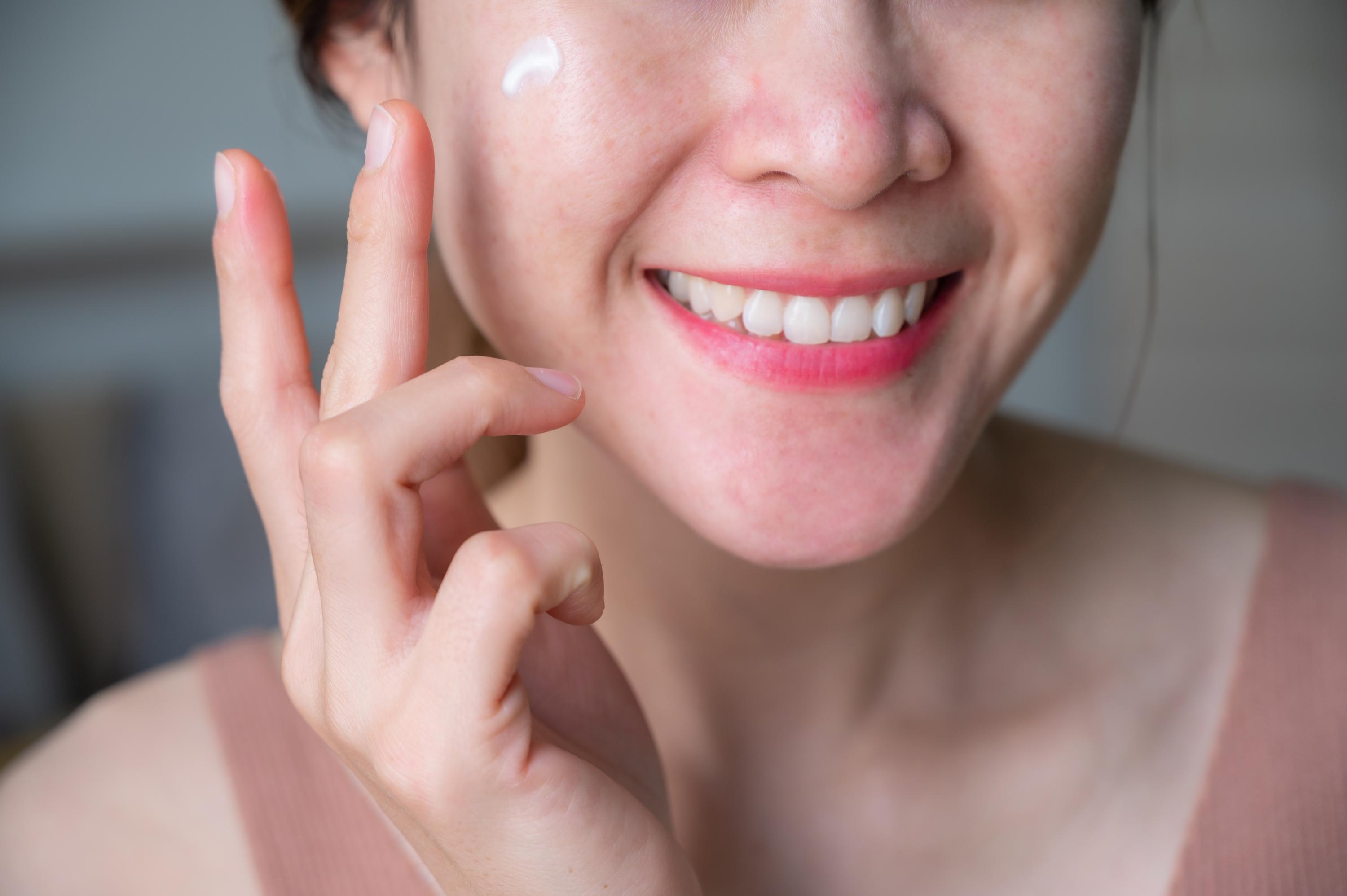
Now that you know what might be ailing your skin, it’s time to take action. Let’s explore some easy at-home checks and routines to help your skin recover its lost glory.
Simple Tests to Try
Want to test your skin at home? Try the pinch test. Gently pinch the skin on your cheek. If it wrinkles without bouncing back, your skin is likely dehydrated. For dry skin, look for flaking or rough patches. These simple tests give you immediate insights into your skin’s condition.
Effective Skin Barrier Repair
Repairing your skin barrier is essential for keeping moisture in. Opt for products with ceramides and fatty acids. These ingredients help fortify your skin’s natural barrier. Consider using a gentle cleanser and a heavier moisturiser for dry skin. This approach supports your skin’s barrier, reducing TEWL and keeping irritation at bay.
How to Hydrate Dehydrated Skin
To hydrate dehydrated skin, focus on water-based products. Look for serums with hyaluronic acid to attract moisture. Drinking plenty of water also supports hydration from the inside out. Regular use of a hydrating mist can keep your skin refreshed throughout the day. These steps will help you regain that plump, healthy glow.
When to Seek Professional Help

Sometimes, at-home care isn’t enough. If your skin issues persist, it might be time to consult an expert. Knowing when to seek professional help ensures you get the best care.
Persistent Skin Concerns
If your skin feels persistently uncomfortable, it’s crucial to take notice. Long-lasting dryness or dehydration might point to underlying conditions. Don’t ignore symptoms like severe itching, redness, or peeling. These could indicate a more serious issue that needs professional attention.
Doctor-led Skin Consultation in Rutland
Living in Rutland and struggling with skin concerns? Our doctor-led skin consultations offer personalised advice tailored to your needs. With a comprehensive understanding of both medical and aesthetic aspects, you’ll receive expert guidance for healthier skin.
Vysana Clinic’s Personalised Approach
At Vysana Clinic, we pride ourselves on a personalised approach. Each consultation considers how your skin history impacts your current condition. We help you make informed decisions about your skincare and aesthetic treatments. Our integrated care ensures that your skin not only looks great today but stays healthy in the future.
In summary, understanding the difference between dry and dehydrated skin is essential for effective care. With the right checks and professional guidance, you can achieve and maintain healthy, comfortable skin. If you’re facing persistent concerns, reaching out to a trusted clinic like Vysana in Rutland can make all the difference.