

Hormones, Stress and Your Skin: The Hidden Connections (and How to Get Them Back in Balance)
Hormonal skin changes often catch you off guard, especially during perimenopause or andropause. You may notice dryness, breakouts, or redness that won’t quit, and wonder why your skin feels so different. At Vysana Clinic, Dr Sunny Dhesi explains how shifts in oestrogen and cortisol directly affect collagen, inflammation, and your skin’s barrier—offering a clear path to restore balance with tailored medical and aesthetic care. For further reading, you might find this article on stress and skin health insightful.
Understanding Hormonal Skin Changes
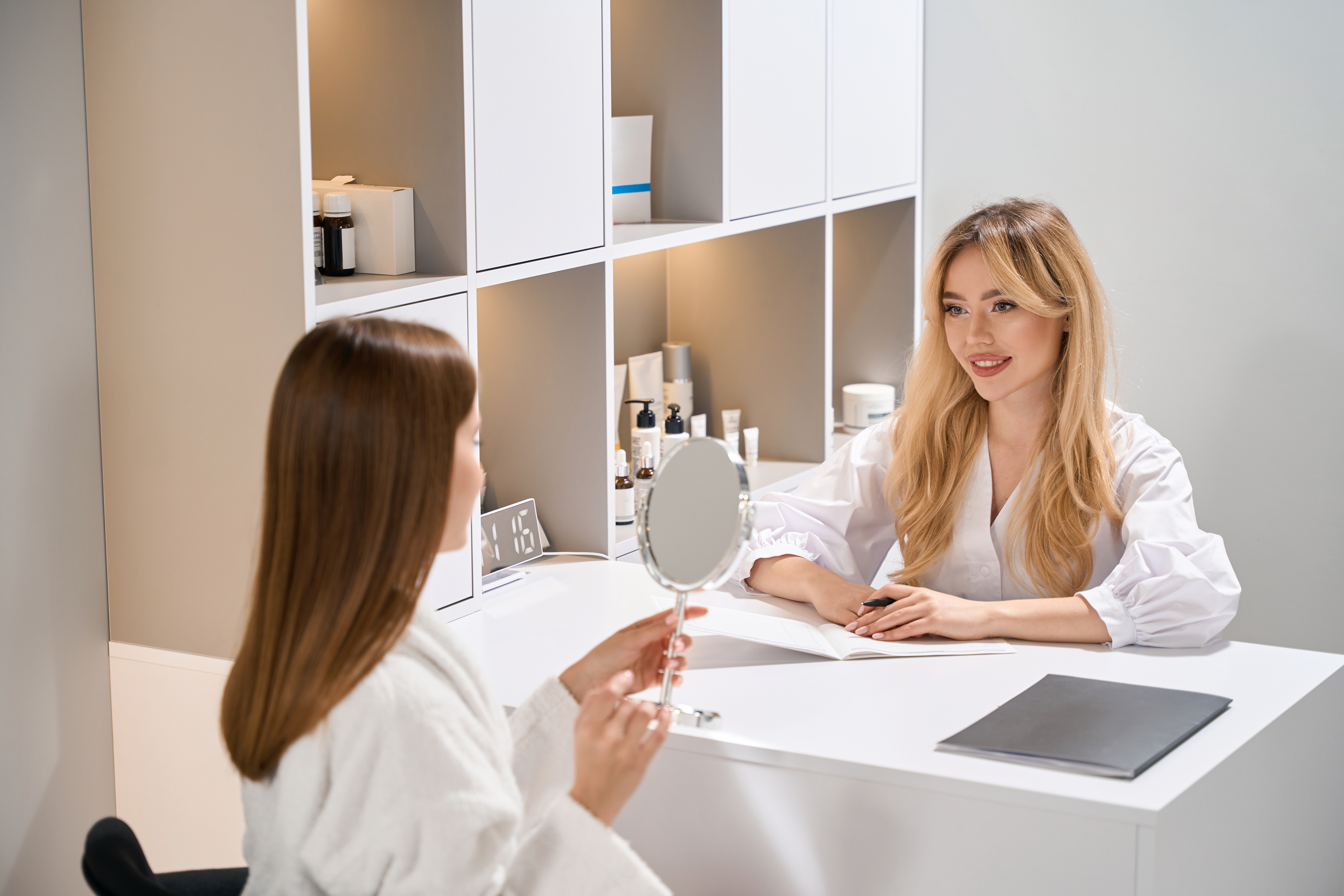
Hormonal changes during midlife can significantly affect your skin. These shifts can cause dryness, breakouts, and other issues that feel new and challenging. To understand this better, let’s break it down into key hormones and their specific influences.
Oestrogen and Collagen Connection
Oestrogen plays a vital role in maintaining skin health. It helps in the production of collagen, which keeps your skin firm and youthful. As oestrogen levels drop during perimenopause and menopause, collagen production decreases, leading to sagging and wrinkles.
Imagine your skin as a cushion. When collagen depletes, that cushion loses its bounce. This is why fine lines become more visible. You might notice changes in skin texture as well. Keeping your oestrogen levels balanced can help maintain that youthful glow. A study in the National Library of Medicine highlights the importance of oestrogen in skin health.
Impact of Cortisol on Skin Inflammation
Cortisol, often called the stress hormone, can wreak havoc on your skin when levels are too high. It increases inflammation, causing redness and breakouts. Stressful periods often make your skin act out, and cortisol is a big reason why.
Think of cortisol as a fire. In small amounts, it’s manageable. But when stress builds up, the fire spreads, leading to a breakout. Reducing stress not only lowers cortisol but can also calm your skin. Check out Harvard Health’s insights on stress and skin health.
Thyroid and Dry Skin Issues
Your thyroid gland influences skin hydration. When thyroid hormones are out of balance, your skin can become dry and flaky. This is particularly common during midlife, as hormonal shifts may impact thyroid function.
Picture your thyroid as a water tap. When it’s functioning well, your skin stays hydrated. But if it’s out of sync, your skin becomes parched. Keeping thyroid levels in check can help maintain skin moisture and health. For more on how hormones affect your skin, visit this article.
Stress and Skin: The Underlying Biology

The connection between stress and skin is more profound than you might think. Stress can trigger various skin issues, making understanding this link essential for managing skin health.
How Stress Triggers Rosacea
Rosacea can flare up when you’re stressed. Stress dilates blood vessels, increasing redness and inflammation. For those prone to rosacea, stress can be a significant trigger.
Visualise stress as a magnifying glass. It enlarges the effects of triggers, making redness more noticeable. Managing stress can help keep rosacea under control.
Stress Acne in Adults
Adult acne is frustrating, and stress is often a key factor. Stress increases oil production, leading to clogged pores and breakouts. This can make adult acne persist even if your teenage years are long behind you.
Consider stress acne as a traffic jam on your skin. Stress causes oil to build up, blocking your pores. Reducing stress can clear this jam and improve your skin. The American Academy of Dermatology provides further insights into stress and skin conditions.
Insulin Resistance and Skin Effects
Insulin resistance is another factor that can affect your skin. It can lead to acanthosis nigricans, a condition where the skin darkens and thickens in certain areas. This is often linked with stress and dietary habits.
Imagine insulin resistance as a miscommunication in your body. It leads to skin changes that can be managed with lifestyle shifts. Understanding these connections helps in taking preventive measures.
Vysana’s Personalised Approach
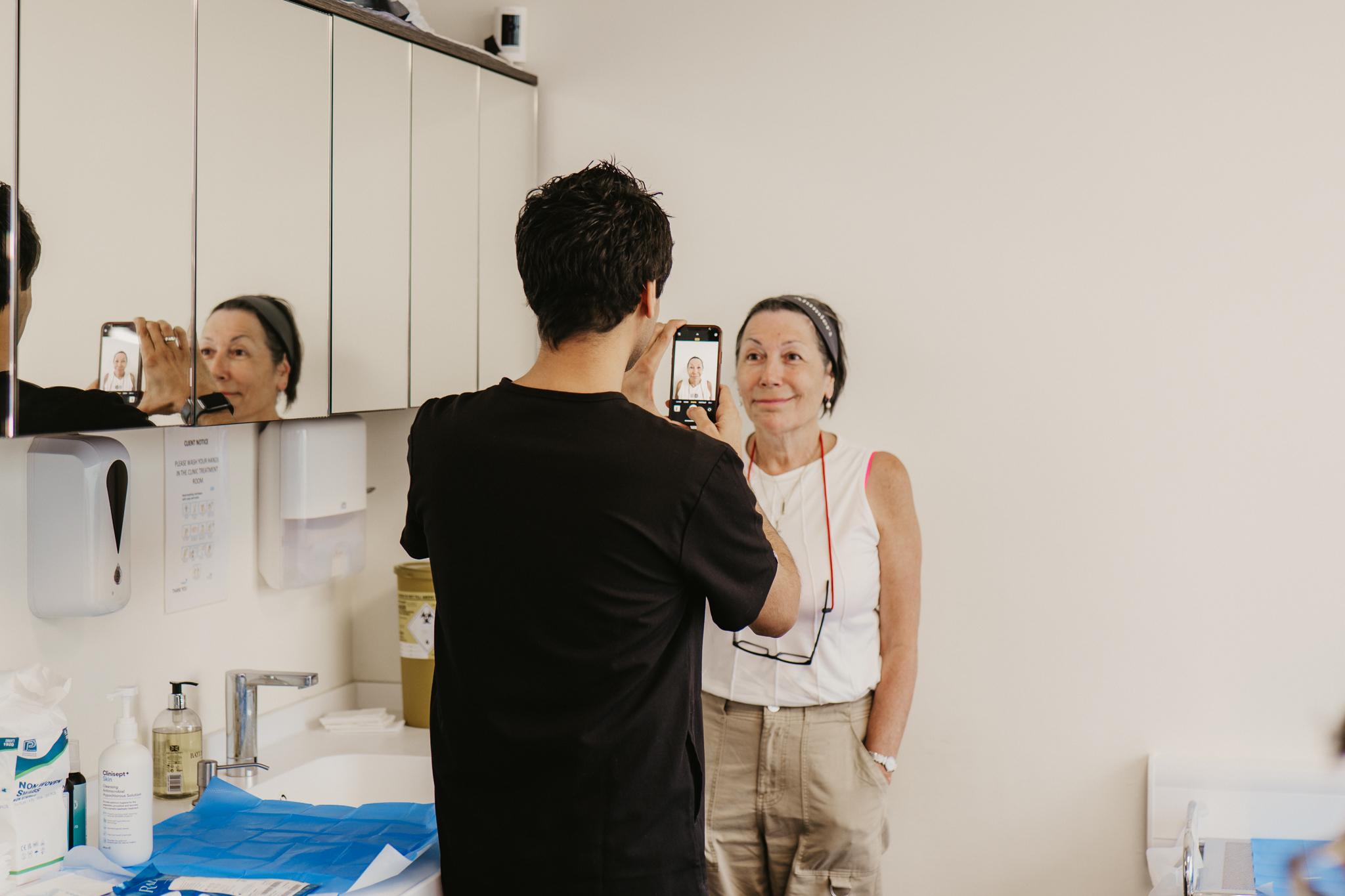
At Vysana Clinic, we understand that everyone’s skin is different. That’s why we offer personalised treatments designed to meet your specific needs and concerns.
Skin Barrier Repair Techniques
Repairing your skin barrier is crucial for maintaining healthy skin. At Vysana, we use medical-grade skincare products to strengthen your skin’s protective layer. This helps in retaining moisture and keeping irritants out.
Think of your skin barrier as a shield. When it’s strong, your skin looks and feels better. Strengthening this shield is a cornerstone of our approach.
Benefits of HRT for Skin
Hormone Replacement Therapy (HRT) can be beneficial for skin health, particularly during menopause. It helps in replenishing oestrogen levels, which in turn supports collagen production and skin hydration.
HRT acts like a support system for your skin, restoring balance and youthfulness. It’s a tailored solution that can significantly improve skin texture and appearance.
Natural Aesthetic Treatments in Rutland
In Rutland, we offer natural aesthetic treatments that enhance your skin’s appearance without drastic changes. Our treatments are designed to be subtle and conservative, preserving your natural beauty.
Imagine these treatments as a gentle touch-up for your skin. They enhance your features while keeping you looking like yourself. Our approach ensures that you feel confident and refreshed.
Understanding the interplay between hormones, stress, and skin can empower you to manage your skin health better. At Vysana Clinic, we are here to guide you with expert insights and tailored treatments. Whether you’re dealing with hormonal changes or stress-related skin issues, our doctor-led care ensures you get the support you need. Feel ready to start your journey toward healthier skin with us.