

Midlife skin changes often catch you off guard. Hormones shift, stress builds, and sleep patterns slip — all of which affect your skin’s barrier, collagen levels, and pigment balance. At Vysana Clinic, we look beyond surface treatments to address these changes with a doctor-led, integrated approach tailored to your unique needs. Keep reading to understand what’s happening beneath your skin and how to manage it effectively. Learn more here.
Hormonal Shifts and Skin
Hormonal fluctuations can significantly affect your skin as you age. These changes can lead to issues like dryness, acne, and pigmentation, altering the way your skin looks and feels.
Impact of Oestrogen on Skin
Oestrogen plays a vital role in maintaining skin health. It helps keep your skin smooth and youthful. As oestrogen levels drop during midlife, you might notice your skin becoming thinner and drier. This is because oestrogen is crucial for collagen production, which gives your skin its strength and elasticity. To counter these effects, consider using products that contain peptides or retinoids to help boost collagen production. Moisturisers with hyaluronic acid can also provide much-needed hydration.
Understanding Hormonal Acne in Adults
Hormonal acne isn’t just a teenage problem. Many adults find themselves battling breakouts due to hormonal changes. This type of acne often appears around the jawline and chin. Fluctuating hormone levels, particularly an increase in androgens, can lead to excess oil production, clogged pores, and acne. To manage hormonal acne, look for cleansers with salicylic acid and consider talking to a healthcare provider about options like oral medications or topical treatments that regulate hormone levels.
Melasma and Hormonal Changes
Melasma is another skin condition tied to hormonal changes. It causes dark, discoloured patches on the skin, often triggered by sun exposure and hormonal shifts. Women are particularly susceptible to melasma during pregnancy when using birth control, or during menopause due to hormonal imbalances. Managing melasma involves a combination of sun protection,## Hormonal Shifts and Skin
Midlife introduces a maze of hormonal fluctuations that can impact your skin significantly. Understanding these changes is vital for managing your skin health.
Impact of Oestrogen on Skin
Oestrogen plays a crucial role in maintaining skin elasticity and moisture. As levels decline, you might notice your skin feeling drier and less firm. This hormone also affects collagen production, which is key to keeping your skin looking youthful. Without sufficient oestrogen, the skin can lose its plumpness, leading to more pronounced wrinkles and sagging.
Moreover, reduced oestrogen can result in a compromised skin barrier. This makes it easier for irritants to penetrate, potentially causing sensitivity or inflammation. Hydrating and protecting your skin becomes essential. Opt for products that focus on moisture retention and barrier support to help counter these effects.
Understanding Hormonal Acne in Adults
Hormonal acne isn’t just a teenage problem. Fluctuating hormones during midlife can trigger breakouts too. This happens when increased levels of certain hormones stimulate oil glands, leading to clogged pores and acne. Unlike typical teenage acne, hormonal acne often appears around the jawline and chin.
Addressing this requires a consistent skincare routine tailored to adult skin. Look for ingredients that balance oil production without stripping the skin. Consulting with healthcare providers can provide personalized strategies, ensuring that treatments align with your skin’s changing needs.
Melasma and Hormonal Changes
Melasma, characterised by dark patches on the skin, is often linked to hormonal shifts. Changes in oestrogen and progesterone levels can increase melanin production, leading to these unwanted spots. Sun exposure can exacerbate this condition, making it essential to include sun protection in your routine.
To manage melasma, consider products that target pigmentation and promote even skin tone. Treatments like topical retinoids or professional peels might be recommended by your healthcare provider, offering targeted solutions for reducing these patches.
Stress and Skin Health
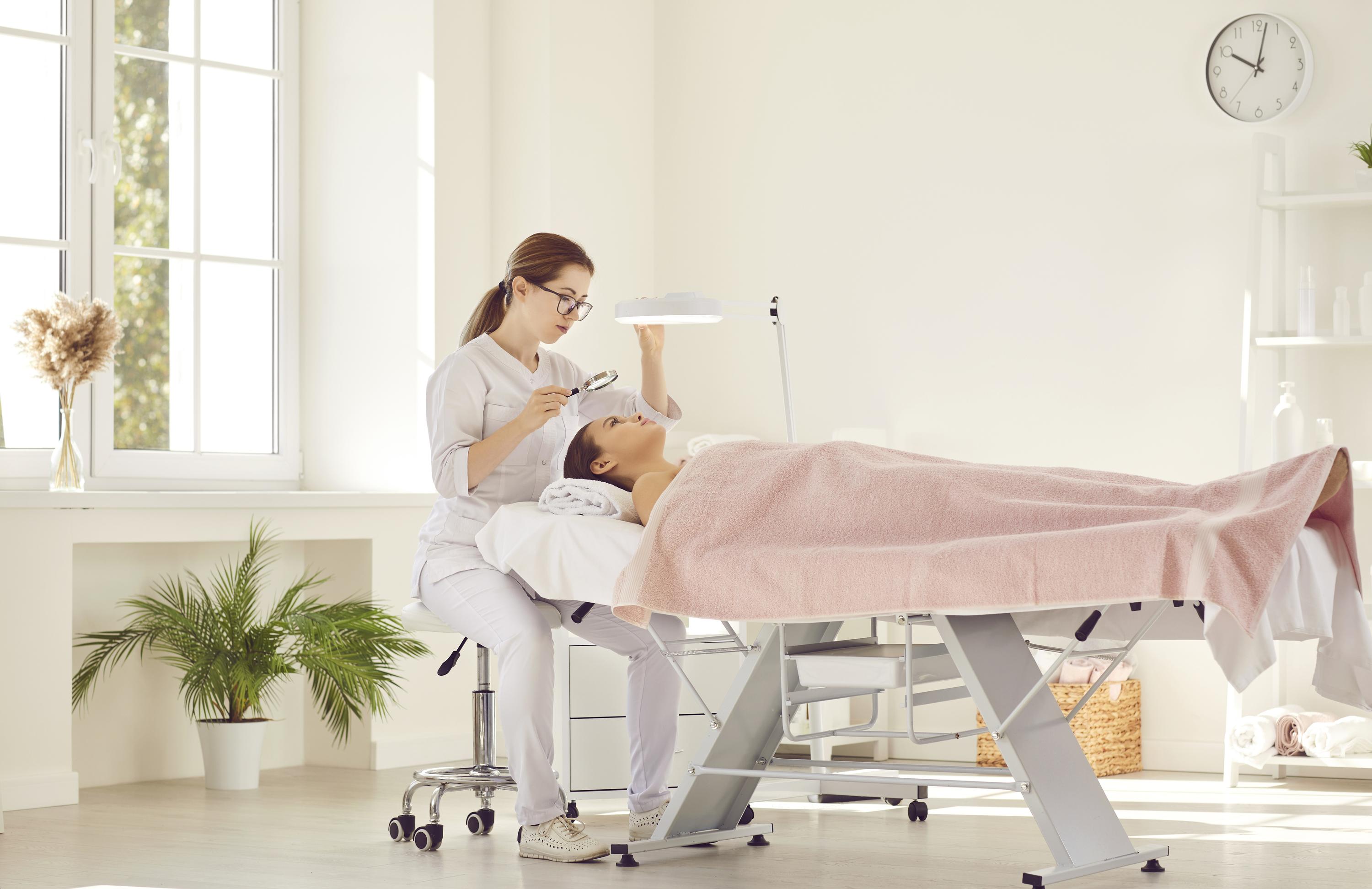
Stress can wreak havoc on your skin, accelerating ageing and triggering breakouts. Learning how it affects you can guide you toward healthier skin.
Cortisol’s Role in Ageing Skin
Cortisol, the stress hormone, can speed up skin ageing. Elevated cortisol levels can break down collagen, leading to wrinkles and fine lines. It also reduces your skin’s ability to repair itself, resulting in a dull and tired appearance.
Managing stress is crucial for maintaining youthful skin. Techniques like meditation, exercise, and breathing exercises can help lower cortisol levels. Incorporating these into your daily routine can slow down the visible signs of ageing.
Stress-Induced Breakouts and Solutions
When you’re stressed, your body produces more oil, which can clog pores and lead to breakouts. These stress-induced pimples often appear on your forehead and cheeks.
To combat stress-induced breakouts, focus on a gentle skincare routine. Cleanse regularly to remove excess oil, and choose non-comedogenic products to avoid clogging your pores. Seeking advice from skincare experts can also provide tailored solutions to keep breakouts at bay.
Strategies for Stress Management
Effective stress management can improve your skin’s health significantly. Establishing a routine that includes regular physical activity, mindfulness practices, and adequate hydration can make a difference. Each of these strategies contributes to overall well-being and skin vitality.
Consider setting aside time each day for activities that reduce stress. Whether it’s a quick walk or a few minutes of meditation, these practices can have a positive impact on your skin and mental health.
Sleep’s Influence on Skin

Good sleep is a cornerstone of healthy skin. It affects everything from collagen production to the repair processes that keep your skin radiant.
Sleep and Collagen Production
During sleep, your body produces collagen, which is crucial for maintaining skin elasticity. Lack of sleep can lead to reduced collagen levels, resulting in sagging and aged skin.
Ensuring you get enough restful sleep supports collagen synthesis. Strive for seven to nine hours of quality sleep each night to give your skin the time it needs to repair and rejuvenate.
Circadian Rhythm and Skin Repair
Your skin’s repair processes follow a circadian rhythm. Skin cells regenerate faster at night, making it the ideal time for applying nourishing treatments. Disruptions to this rhythm can impair repair mechanisms, leaving your skin looking dull and lifeless.
Adapting your skincare routine to align with your body’s natural rhythms can enhance skin health. Use products that support overnight repair, allowing your skin to benefit from its natural renewal processes.
Improving Sleep for Better Skin Health
Improving sleep quality is as important as the quantity. Establish a calming bedtime routine to signal your body that it’s time to wind down. Limit screen time before bed and create a restful environment by keeping your room cool and dark.
Consider incorporating relaxation techniques into your routine. Practices such as reading or taking a warm bath can help you unwind, leading to more restful sleep and healthier skin.
Frequently Asked Questions
How do hormones affect skin during menopause?
During menopause, decreased levels of oestrogen can lead to drier, less elastic skin. This hormone drop can affect collagen production, resulting in more pronounced wrinkles and sagging.
Can stress really cause acne?
Yes, stress triggers the release of cortisol, which can increase oil production in the skin. This can lead to clogged pores and breakouts, especially in people prone to acne.
Why is sleep important for skin health?
Sleep is crucial for the production of collagen, which maintains skin elasticity. It also allows your skin’s natural repair processes to function optimally, keeping your complexion looking fresh and rejuvenated.
What are the best skincare products for midlife skin changes?
Focus on hydrating products that support the skin barrier. Look for those containing hyaluronic acid, ceramides, and peptides to maintain moisture and elasticity as skin changes in midlife.
How can I manage melasma triggered by hormonal changes?
To manage melasma, use sun protection daily and consider products that target pigmentation. Consulting a skincare professional can provide tailored solutions to address these hormonal changes effectively.