

Your skin might be sending signals that it needs more than just a splash of hydration. Knowing the difference between dehydration and a damaged skin barrier can change how you care for your skin—and when you need expert help. At Vysana Clinic, we guide you through recognising signs of skin barrier damage and understanding when a doctor’s review is essential to restore your skin’s health naturally.
Understanding Your Skin’s Needs
Your skin is a complex organ that sometimes sends mixed signals. Let’s explore how to identify what it truly requires.
Identifying Skin Barrier Damage
Your skin barrier acts as a shield, keeping moisture in and irritants out. When this barrier is compromised, your skin might feel dry, sensitive, or even itchy. Look for redness, flakiness, or a stinging sensation when applying products. These are signs that the protective layer might be damaged, indicating a need for barrier repair. Learn more about skin barrier damage from Cleveland Clinic.
Dehydration vs Dry Skin
Dehydrated skin lacks water, while dry skin lacks oil. Dehydrated skin looks dull and may feel tight, while dry skin can be flaky or rough. This distinction is crucial, as treating them requires different approaches. Hydrate with water-based products for dehydration, and apply oils or creams for dry skin.
Signs of Skin Barrier Damage
Common signs of barrier damage include persistent dryness, increased sensitivity, and irritation from products that once worked fine. If you notice these, it might be time to rethink your routine and consider products designed to repair and protect your skin’s natural barrier.
When Hydration Is Enough

Sometimes, all your skin needs is a bit of hydration. Knowing when this is enough can save you from overcomplicating your routine.
Recognising Dehydration Symptoms
Dehydrated skin often feels tight and appears dull. Fine lines may become more noticeable, and the skin might feel rough to touch. Recognising these symptoms early can guide you to solutions that focus on boosting hydration, such as using products that contain hyaluronic acid or glycerin.
Effective Hydration Ingredients
To combat dehydration, look for ingredients like niacinamide, ceramides, and squalane. Hyaluronic acid is a superstar for pulling moisture into the skin, while ceramides help strengthen the barrier. Consider fragrance-free skincare to avoid irritation, especially if you have sensitive skin. Explore more about effective ingredients from Mountain Dermatology.
Crafting a Hydration Routine
Start with a gentle cleanser to avoid stripping your skin. Follow with a hydrating serum containing hyaluronic acid. Seal in moisture with an occlusive moisturiser, especially in dry climates. Don’t forget SPF for sensitive skin, as UV rays can further dehydrate and damage your skin.
Seeking Professional Guidance
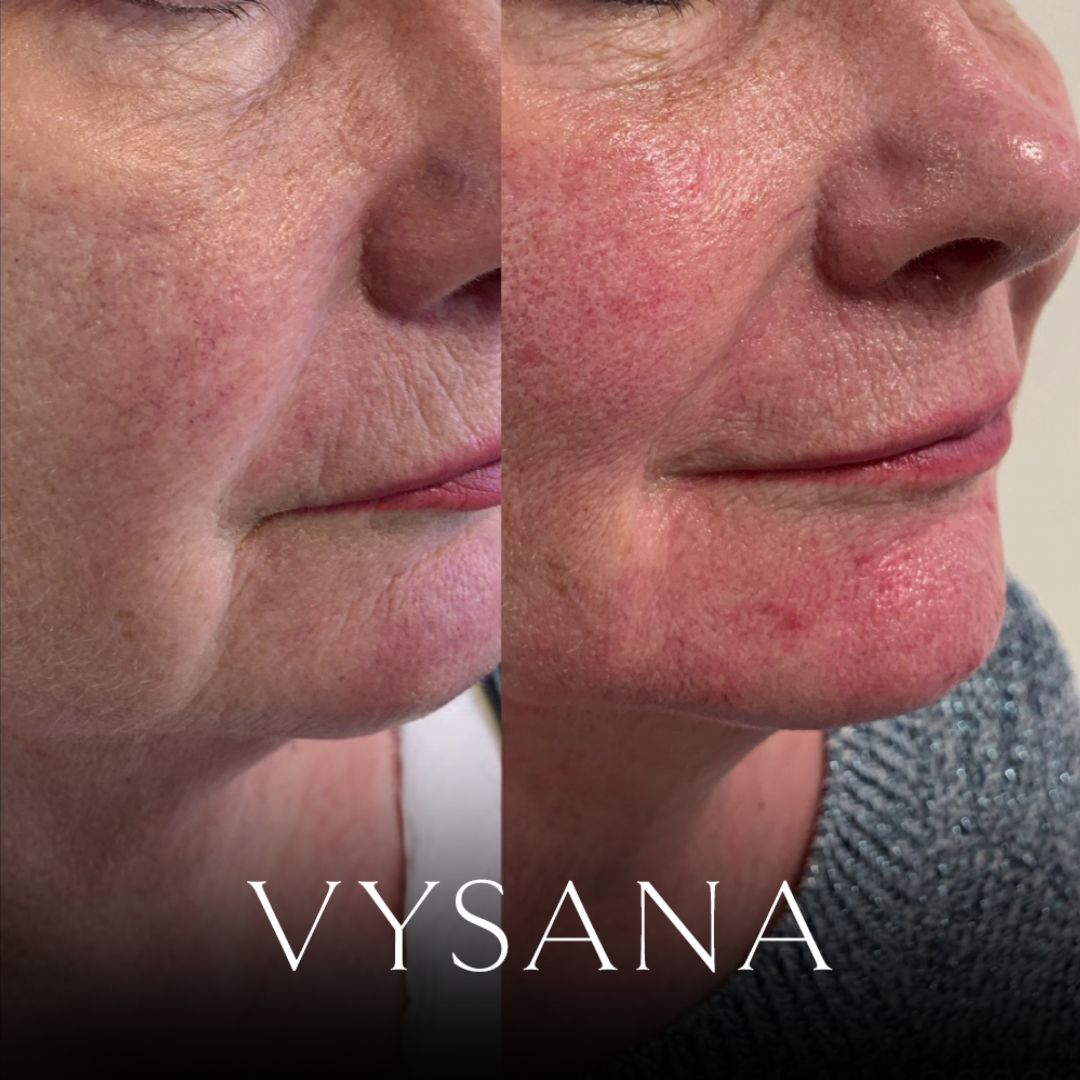
While home care can work wonders, some skin conditions require a doctor’s expertise. Here’s when to seek professional help.
When to See a Doctor for Skin
If your skin concerns persist despite a solid skincare routine, it may be time to consult a doctor. Conditions like eczema on the face, rosacea flare-ups, or perioral dermatitis can need professional evaluation. A dermatologist or a private GP in Rutland can offer tailored advice and treatments.
Persistent Skin Conditions
For persistent conditions, such as seborrhoeic dermatitis or contact dermatitis, professional guidance is key. These conditions can mimic other skin issues, making self-diagnosis tricky. A professional assessment ensures you receive the right treatment and avoid worsening the issue.
Vysana Clinic’s Personalised Approach
At Vysana Clinic, we offer a comprehensive approach to skincare. Under the guidance of Dr. Sunny Dhesi, we combine medical expertise with aesthetic care to tailor treatments to your specific needs. Our skin consultations in Rutland focus on understanding your skin’s past, present, and future, ensuring you achieve and maintain healthy skin.
Frequently Asked Questions
What is the difference between dehydrated skin and dry skin?
Dehydrated skin lacks water, leading to a dull complexion and tight feeling. Dry skin lacks oil, resulting in flakiness and rough texture. Both require different treatments for optimal care.
How can I repair my damaged skin barrier?
Use products enriched with ceramides, squalane, and niacinamide to restore and protect your skin’s barrier. Avoid harsh exfoliants and opt for a gentle skincare routine.
When should I see a doctor about my skin?
Consult a doctor if you experience persistent skin issues, such as eczema, rosacea, or dermatitis. A professional can provide a tailored treatment plan to address your concerns effectively.
What ingredients should I look for in hydrating skincare?
Seek out products containing hyaluronic acid, glycerin, and ceramides. These ingredients help replenish moisture and support your skin’s natural barrier.
How can Vysana Clinic help with my skincare needs?
Vysana Clinic offers doctor-led consultations and treatments tailored to your skin’s unique needs, ensuring you receive comprehensive care that addresses both medical and aesthetic concerns.