

Hydration or Treatment? How to Tell What Your Skin Really Needs
Many people confuse dry skin with dehydrated skin, but the difference changes how you care for your skin. Dehydrated skin struggles with transepidermal water loss and needs targeted hydration and barrier repair, while other concerns like rosacea or pigmentation require medical treatment. In this post, you’ll learn simple ways to tell what your skin truly needs and when to seek expert advice from Vysana Clinic’s doctor-led team in Rutland. For more information, you can refer to this link.
Identifying Skin Needs
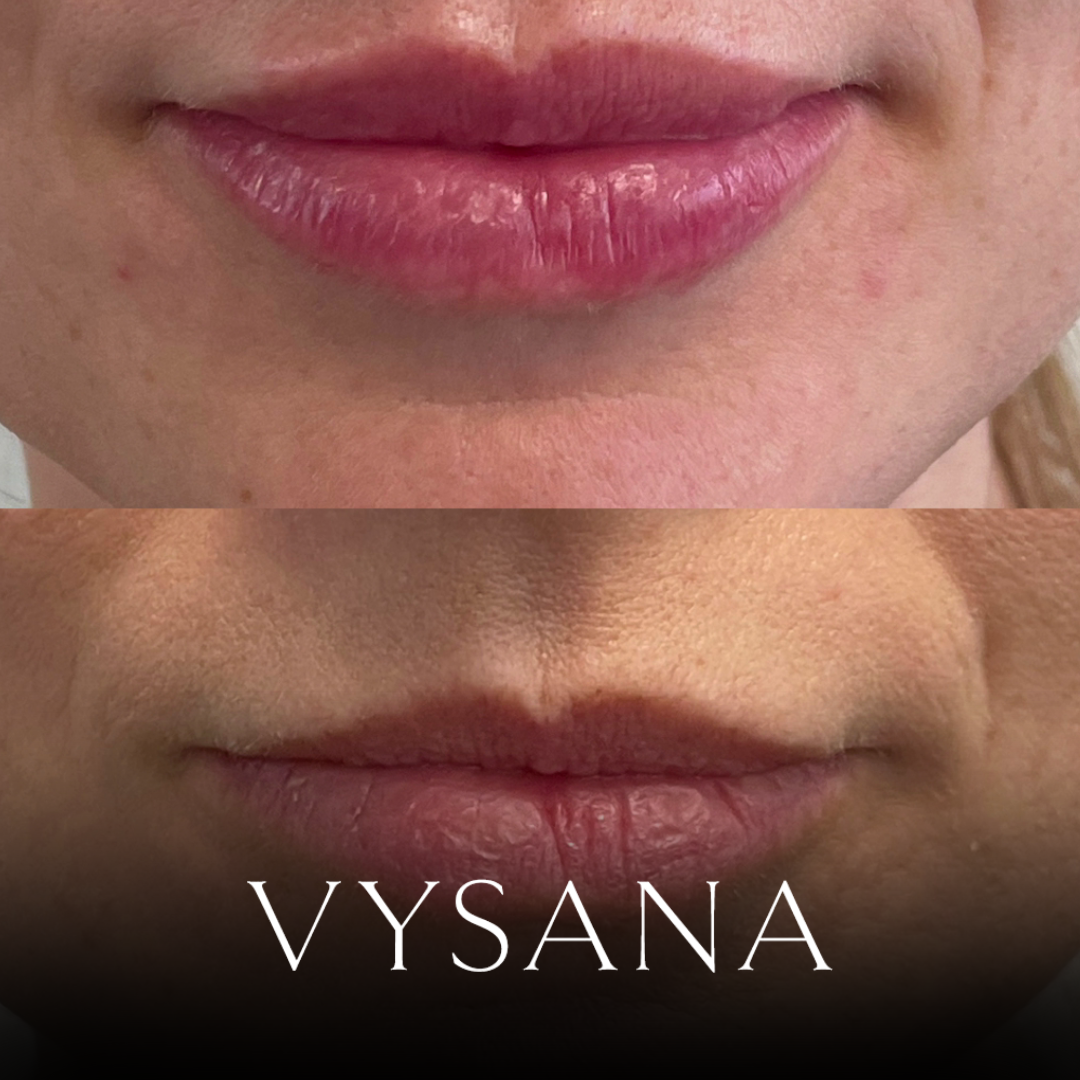
Understanding what your skin needs is the first step to proper care. Let’s start by distinguishing between two common skin concerns.
Dehydrated vs Dry Skin
Do you know if your skin is dry or dehydrated? It’s crucial to differentiate between the two. Dry skin lacks natural oils, while dehydrated skin lacks water. Dry skin can feel rough or flaky, often due to genetics. In contrast, dehydrated skin feels tight, looks dull, and shows fine lines more easily. This difference affects care methods, as you can learn more about on Healthline’s guide.
Signs of Barrier Dysfunction
Your skin barrier acts like a shield. When it’s compromised, you might notice redness, itchiness, or sensitivity. These symptoms indicate the barrier isn’t working effectively, leading to moisture loss and irritation. When this happens, your skin struggles to retain hydration, making it vulnerable to irritants. Repairing the barrier is vital to restore its protective role.
When to Consult a GP
Sometimes, skin issues go beyond what you can handle alone. If you’ve tried different products without success, or your skin changes suddenly, it might be time to see a GP. Persistent redness, swelling, or unusual changes can be signs that require professional evaluation. At Vysana Clinic, we offer expertise to help create a plan tailored to your needs.
Simple Self-Checks
You don’t need to be a dermatologist to assess your skin’s needs. Here are a few easy tests you can try at home.
At-Home Hydration Tests
Not sure if your skin is dehydrated? Here’s a simple test: gently pinch your cheek. If the skin doesn’t bounce back quickly, it might be dehydrated. Another trick is to check your products. Are they absorbing well? If not, your barrier might be compromised, and hydration isn’t reaching deep enough. Learn more about the differences between hydration and moisturising here.
Recognising Red Flags
Stay alert to changes in your skin. Red flags include persistent dryness, redness, or breakouts that don’t respond to over-the-counter treatments. If your skin feels irritated even with gentle products, it’s a sign to reconsider your routine or consult a GP.
Ingredients for Skin Health
Certain ingredients are key to maintaining healthy skin. Ceramides support your skin’s barrier, while hyaluronic acid draws in moisture. Niacinamide can help reduce inflammation and strengthen the skin. Using products with these ingredients can be a game-changer in your skincare routine.
Vysana Clinic’s Approach

At Vysana Clinic, we believe in addressing skin concerns with a comprehensive approach, combining medical insight with aesthetic care.
Doctor-Led Aesthetic Care
Our clinic offers a unique combination of medical expertise and aesthetic treatments. Led by Dr. Sunny Dhesi, our team ensures that every treatment plan considers your overall health, not just the immediate cosmetic concerns. This holistic approach sets us apart as a trusted partner in your skincare journey.
Personalised Skin Consultation
Every skin is unique. At Vysana Clinic, we start with a detailed consultation to understand your specific needs. This personalised attention helps us craft a skincare plan that is not only effective but also suitable for your lifestyle and goals.
Advanced Skincare Treatments
From dermal fillers to chemical peels, our treatments use state-of-the-art techniques to enhance your skin’s health and appearance. Whether you’re dealing with ageing skin, rosacea symptoms, or perimenopause skin changes, our advanced solutions, backed by medical expertise, can address these concerns effectively.
In summary, identifying your skin’s needs is the first step to effective care. Whether it’s hydration or treatment, knowing when to consult a professional can make all the difference. At Vysana Clinic, we’re here to guide you every step of the way, ensuring you receive the most suitable care for your skin and overall wellbeing.