

Hydration or Treatment: How to Tell What Your Skin Really Needs
Dry skin and dehydrated skin aren’t the same—and mixing them up can leave you stuck with the wrong routine. You might think your skin just needs more moisture, but it could be a deeper issue like a damaged skin barrier or hormone-related changes. This guide will help you spot the signs of dry vs dehydrated skin, show you simple tests to try at home, and explain when it’s time to see a doctor for a tailored plan.
Understanding Skin Needs
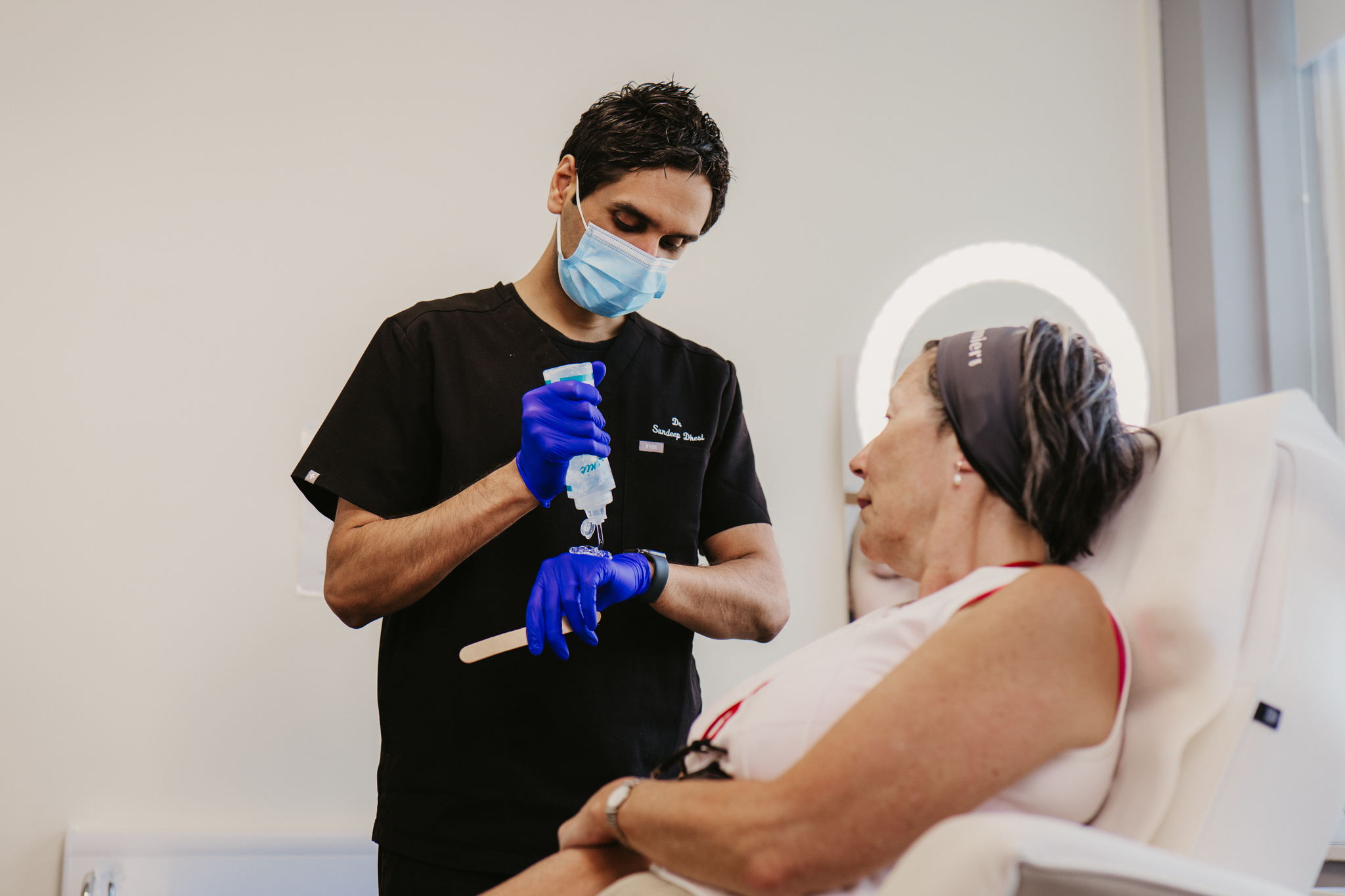
It’s crucial to understand the basics of your skin’s needs to choose the right care. Let’s break down the differences between dry and dehydrated skin first.
Dry vs Dehydrated Skin
You might notice your skin feels tight or flakes appear. This could be due to dryness or dehydration, but these are not the same. Dry skin lacks oil, while dehydrated skin lacks water.
Dry Skin: It’s a skin type, often genetic. Symptoms include flakiness and irritation. Using richer creams can help.
Dehydrated Skin: It’s a condition that can affect any skin type. Signs include dullness and increased sensitivity. Water-based products are beneficial here.
Understanding these differences is key. If your skin is dehydrated, it may benefit more from a water-based serum rather than a heavy cream. Learn more about the differences here.
Identifying Damaged Skin Barrier
Your skin barrier is the frontline defense against environmental stressors. A compromised barrier can lead to dullness and irritation. Signs of damage include redness, itchiness, and increased breakouts.
To protect your skin barrier:
Avoid harsh cleansers
Incorporate ceramide moisturisers
Use SPF daily to prevent further damage
A healthy skin barrier retains moisture better, reducing the risk of dehydration.
Skin Hydration Test at Home
Curious if your skin is dehydrated? Try this simple pinch test at home. It’s a quick way to check your skin’s hydration level.
Gently pinch the skin on the back of your hand.
Release it and observe how quickly it returns to normal.
If it snaps back quickly, your skin is likely well-hydrated. If it takes time, you might need to increase your water intake or use hydration-boosting products.
A skin hydration test is a practical tool to tailor your skincare routine effectively.
Factors Affecting Skin Health
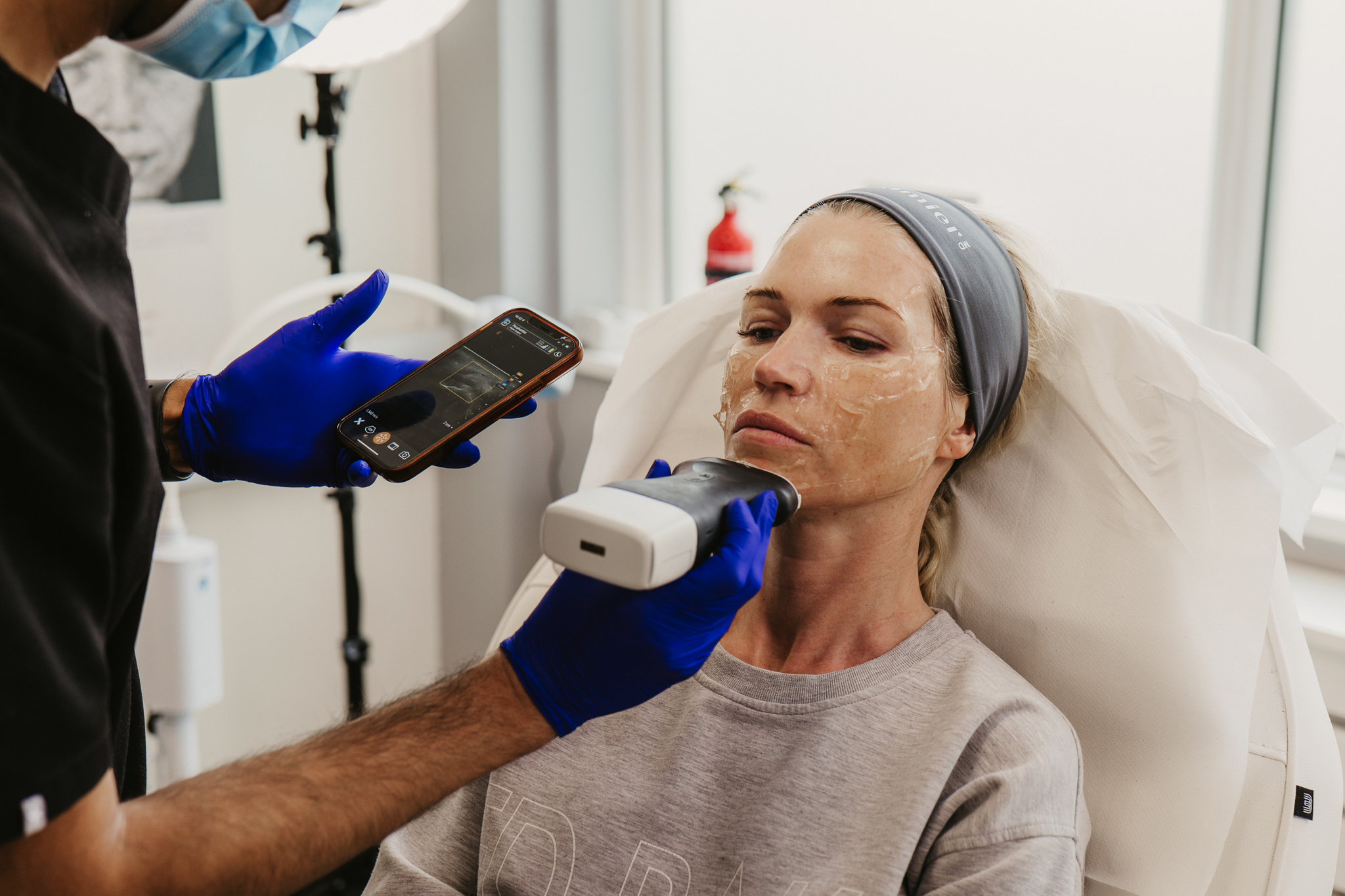
Understanding what influences your skin’s health can help you choose the right care strategies. Let’s explore common factors that play a role in skin changes.
Perimenopause Skin Changes
Hormonal shifts during perimenopause can impact your skin significantly. You might notice dryness, sensitivity, and changes in texture.
Hydration: Be proactive with moisturising to combat dryness.
Nutrition: Include foods rich in Omega-3s and antioxidants.
Tackling these changes with a holistic approach can improve skin resilience.
Oestrogen and Skin Ageing
Oestrogen plays a critical role in maintaining skin elasticity and moisture. As levels fluctuate, you may see wrinkles and sagging.
To support your skin:
Use hyaluronic acid skin boosters for plumpness
Consult a specialist at an aesthetic clinic in Rutland for tailored advice
Balancing hormone levels can aid in maintaining youthful skin.
Lifestyle and Stress Impacts
Your lifestyle and stress levels can directly affect your skin’s appearance. Poor sleep, stress, and diet choices may lead to dull, tired skin.
Prioritise sleep and relaxation
Manage stress through exercise or meditation
Simple lifestyle tweaks can yield noticeable improvements in your skin’s vitality.
Treatment and Care Options

Once you understand your skin’s needs and influencing factors, exploring treatment and care options becomes easier. Let’s dive into solutions available.
Skin Barrier Repair Solutions
Repairing your skin barrier can alleviate many issues like sensitivity and dehydration. Here are some steps:
Use products with ceramides and fatty acids
Avoid over-exfoliating to prevent stripping your natural oils
Repairing your barrier can lead to long-term skin health improvements.
Medical-Grade Skincare Rutland
Opting for medical-grade skincare ensures you’re using products backed by science and tailored to individual needs. They offer efficacy that over-the-counter products often lack.
Seek advice from private GP Rutland for personalised recommendations
Consider treatments like microneedling or chemical peels for enhanced results
These options provide targeted solutions for complex skin concerns.
Vysana’s Doctor-Led Approach
At Vysana, we believe in a comprehensive approach that considers your whole self. Our doctor-led consultations focus on blending medical insight with aesthetic goals.
We address underlying hormonal issues
Tailor a plan that meets both aesthetic and health needs
Trust in Dr Sunny Dhesi’s expertise to guide you through a personalised skincare journey. Whether you’re facing hormonal changes or looking for natural aesthetic results, Vysana ensures your skin care aligns with your overall wellbeing. Understanding what your skin truly needs can make all the difference.