

Hydration vs Treatment: How to Tell What Your Skin Really Needs
Many people confuse thirsty skin with skin that needs treatment. The truth is, dehydrated skin and dry skin are not the same, and mixing them up can make your routine less effective or even worsen your skin’s condition. Knowing whether your skin calls for hydration with ingredients like hyaluronic acid and ceramides or requires targeted treatments is key to real improvement. Let’s break down how to tell what your skin really needs and when to seek a doctor-led consultation for a plan tailored just for you. Learn more here.
Understanding Skin Needs
Understanding what your skin requires can seem daunting at first. It’s all about making informed choices for better outcomes.
Hydration vs Treatment Basics
If your skin feels tight or looks dull, it might just need moisture. Finding the right balance is crucial. Hydration involves ingredients like hyaluronic acid that attract water to your skin, while moisturising locks in that moisture. This approach can be especially beneficial in colder months. You can check out more insights on hydrating vs moisturising here. On the other hand, treatments often include active ingredients designed to tackle specific issues. It’s easy to mistake the need for one when you actually need the other. But don’t worry, you’re not alone. Most people have been there. The key is to listen to what your skin is saying and make informed decisions.
Identifying Dehydrated vs Dry Skin
Dehydrated skin lacks water, while dry skin lacks oil. Confusing, right? Yet knowing the difference is essential. Dehydrated skin often feels tight and looks dull. It can even be oily, leading to break## Understanding Skin Needs
To truly care for your skin, it is essential to know whether it craves hydration or needs active treatment. Let’s explore the basics of these different skin needs.
Hydration vs Treatment Basics
You might think all skin issues need the same solutions, but that’s not true. Hydration is about adding water back to the skin, often with hyaluronic acid and similar ingredients. This keeps your skin plump and smooth. On the other hand, treatment targets specific conditions, like acne or pigmentation, using active ingredients. For more on the difference, check out this guide.
Identifying Dehydrated vs Dry Skin
Understanding whether your skin is dehydrated or just dry can save you time and money. Dehydrated skin lacks water and often looks dull, while dry skin lacks oil and feels flaky or rough. This distinction is crucial because your skincare routine should address the correct issue. A hydrated skin might just need a good moisturiser, whereas dry skin benefits from oil-based products. For more insights, visit Healthline’s article.
Addressing Perimenopause Skin Changes
Perimenopause brings about changes in your skin due to hormonal shifts. You might notice increased dryness or sensitivity. It’s crucial to adapt your skincare routine to these changes. Consider consulting a professional who can guide you with personalised advice. Most people assume ageing skin is just a fact of life, but with the right care, you can maintain a youthful glow.
Effective Skincare Strategies
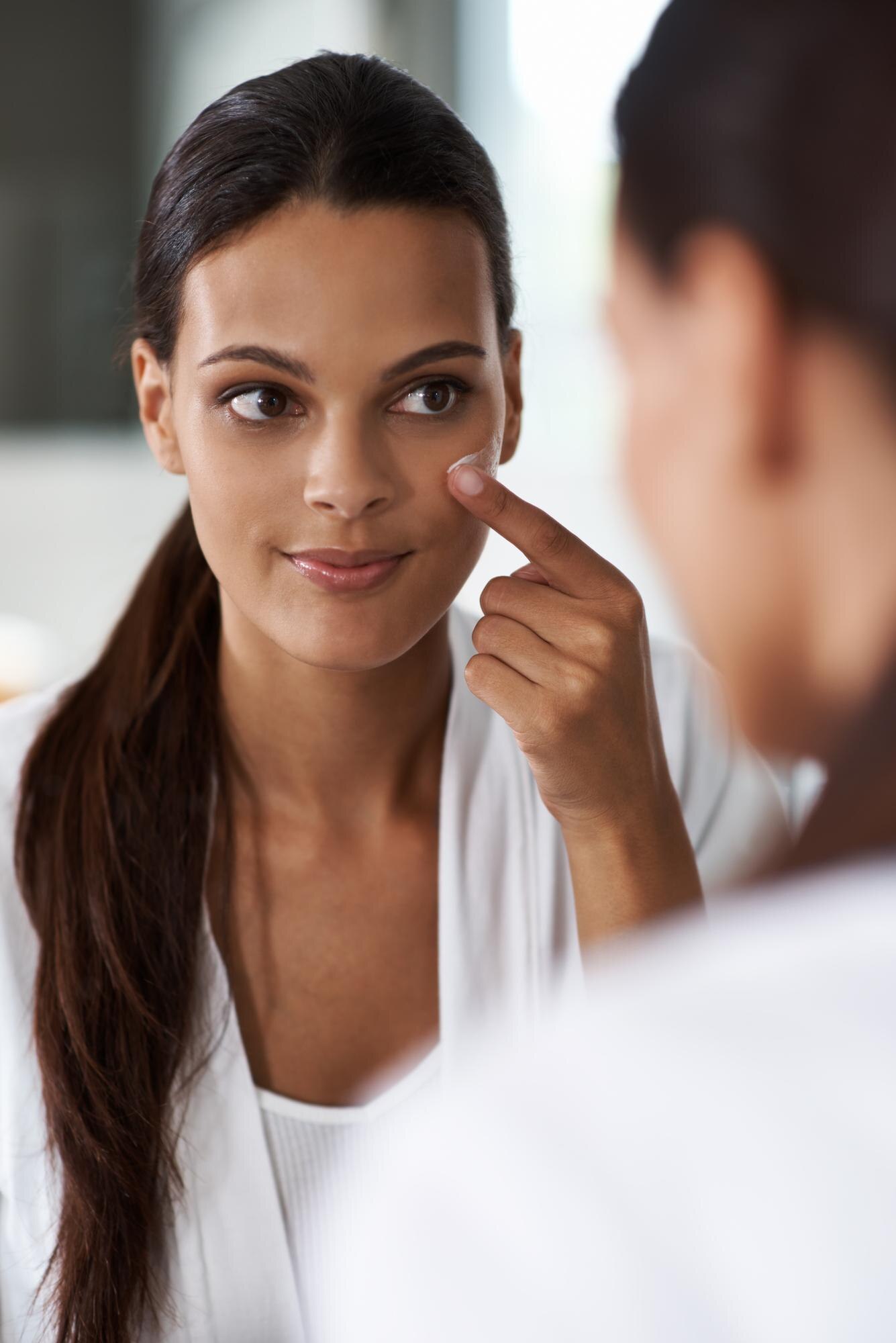
Once you know whether your skin needs hydration or treatment, you can take steps to improve its condition. Let’s discuss some strategies for keeping your skin healthy and resilient.
Importance of Skin Barrier Repair
The skin barrier is your first line of defence against environmental factors. When it’s compromised, you might experience transepidermal water loss (TEWL). This means your skin loses moisture faster than it can be replenished. To repair the barrier, use products rich in ceramides. These strengthen your skin’s natural barrier, locking in moisture and keeping irritants out. This simple change can transform your skin’s health.
Key Ingredients: Ceramides and Hyaluronic Acid
To keep your skin hydrated and plump, focus on products with ceramides and hyaluronic acid. Ceramides help repair the skin barrier, while hyaluronic acid attracts moisture, holding up to 1000 times its weight in water. These ingredients are essential for maintaining skin hydration, especially if you’re dealing with dehydrated skin.
Managing Retinoids and Sensitivity
Retinoids are powerful but can make your skin sensitive. It’s important to introduce them slowly and use them alongside calming ingredients like azelaic acid. This can help reduce irritation and improve overall skin texture. If your skin feels too sensitive, it might be asking for a break or a gentler approach. Listen to your skin’s needs and adjust accordingly.
Personalised Skin Health Consultations
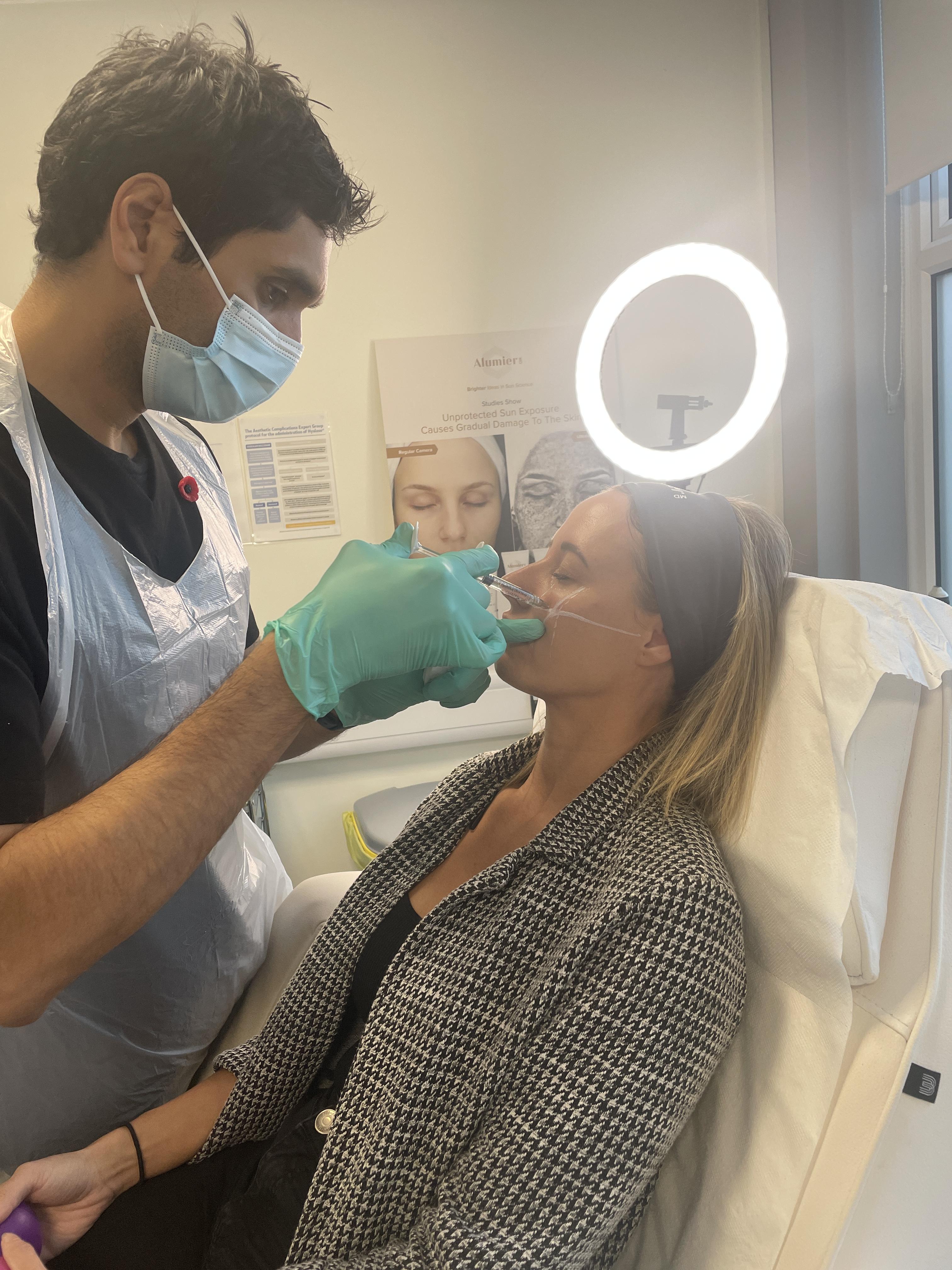
For those seeking more tailored advice, a consultation with an expert can provide guidance suited to your unique skin needs.
Benefits of Doctor-Led Aesthetics
Doctor-led aesthetics offer more than just treatments; they provide expertise and safety. With a doctor, like those at Vysana Clinic, you gain access to treatments backed by medical knowledge. This ensures that procedures are both effective and safe. Whether you want to address fine lines or rejuvenate your skin, expert guidance matters.
Exploring Anti-Ageing Treatments
Anti-ageing treatments can significantly impact your appearance and confidence. From dermal fillers to advanced skincare, these treatments aim to provide natural, youthful results. It’s about enhancing your features, not altering them. With the right approach, ageing gracefully is within reach.
Booking Your Skin Consultation in Rutland
If you’re considering a consultation, look no further than Vysana Clinic, your trusted partner in Rutland. Here, a bespoke plan will be created just for you, based on comprehensive skin assessments. Don’t wait too long; the sooner you start, the better your results will be. Remember, your skin is a long-term investment. Choose wisely and treat it with the care it deserves.