

A damaged skin barrier can sneak up on you, leaving your skin red, tight, and flaky without obvious cause. You might blame dry weather or new products, but the real signs of skin barrier damage go deeper—like transepidermal water loss and retinoid irritation. At Vysana Clinic, we help you spot these warning signals early and guide you through safe, doctor‑led skin barrier repair tailored to your unique needs. Learn more about how to identify a damaged skin barrier and the steps for repair.
Recognising a Damaged Skin Barrier
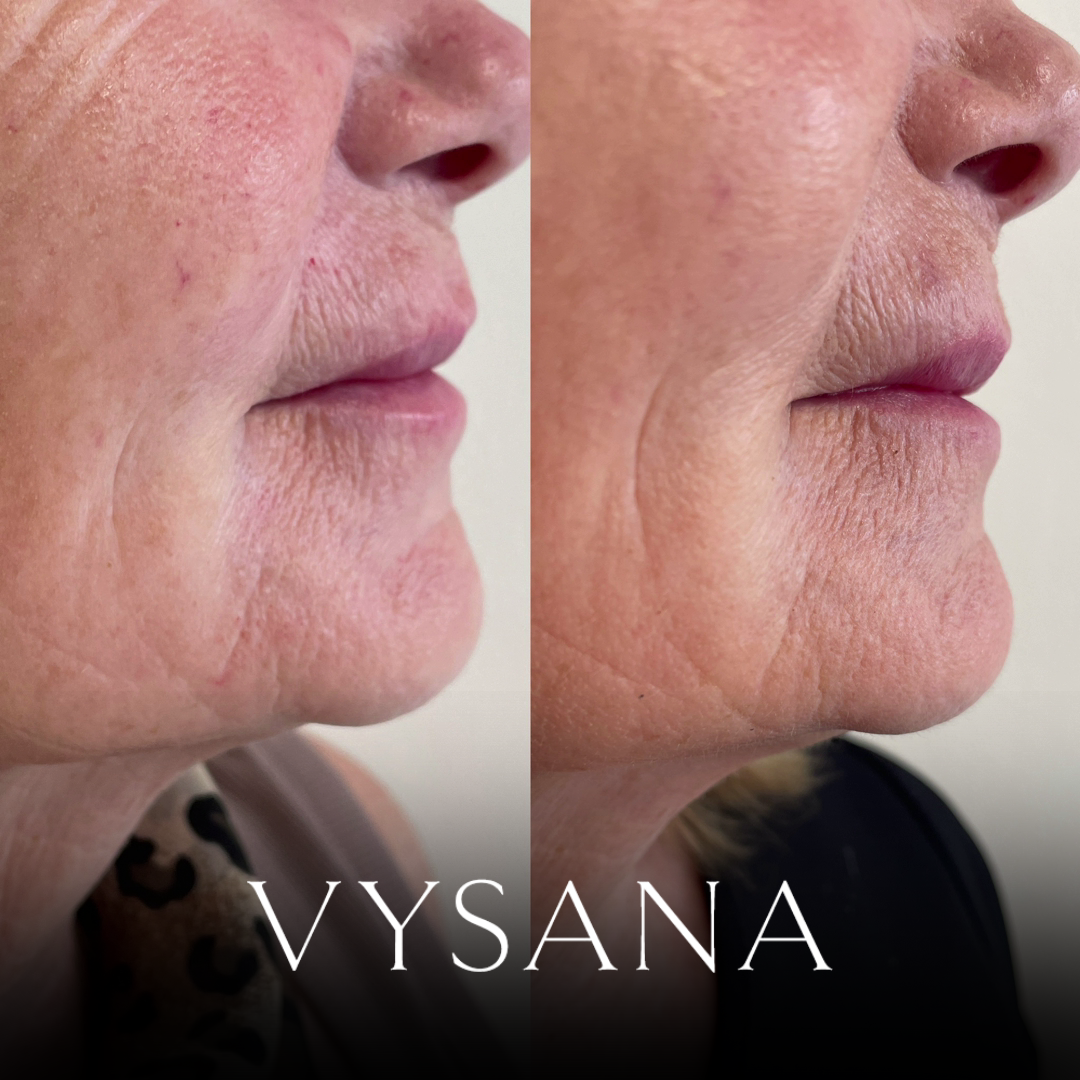
Identifying a damaged skin barrier is the first step towards effective care and treatment. It’s more common than you might think, impacting your skin’s health and appearance.
Common Signs of Damage
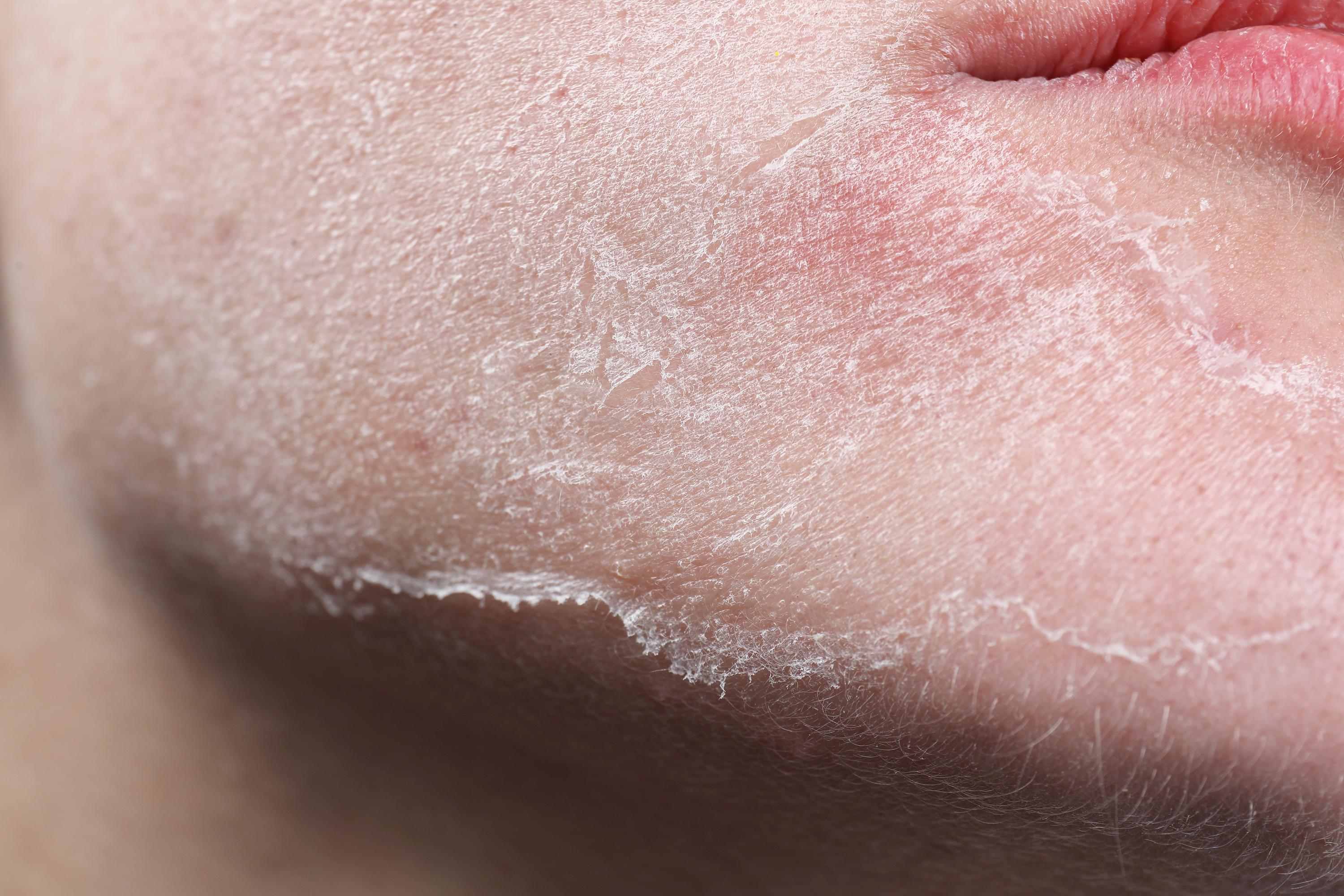
You might notice redness and stinging skin, but what does it really mean? Often, it indicates an underlying issue with your skin barrier. Flaky, tight skin is another clue. This can be a sign of transepidermal water loss, where moisture escapes faster than it should. Ever felt that familiar itchiness or seen unexpected breakouts? These are also tell-tale signs. Many people mistake these symptoms as mere sensitivity or seasonal changes. But in reality, your skin might be crying out for help.
Causes and Triggers
So, what actually harms your skin barrier? A common culprit is over‑exfoliation. Scrubbing too much can strip away essential oils. Retinoid irritation is another factor. While retinoids can do wonders, they can also be harsh if not introduced correctly. Look out for fragrance‑free skincare products to avoid unnecessary irritation. Environmental factors, like wind and pollution, also play a role. Lifestyle choices, such as a poor diet, can exacerbate these effects.
Importance of a Healthy Barrier
Why is a healthy skin barrier so crucial? It acts like your skin’s shield, keeping moisture in and harmful elements out. When it’s compromised, you’re more prone to sensitive skin issues, such as rosacea flare or eczema face. Maintaining a healthy barrier not only protects against these conditions but also supports overall skin health. Understanding the importance of this barrier is key to effective long-term skincare.
Doctor-Led Solutions for Repair
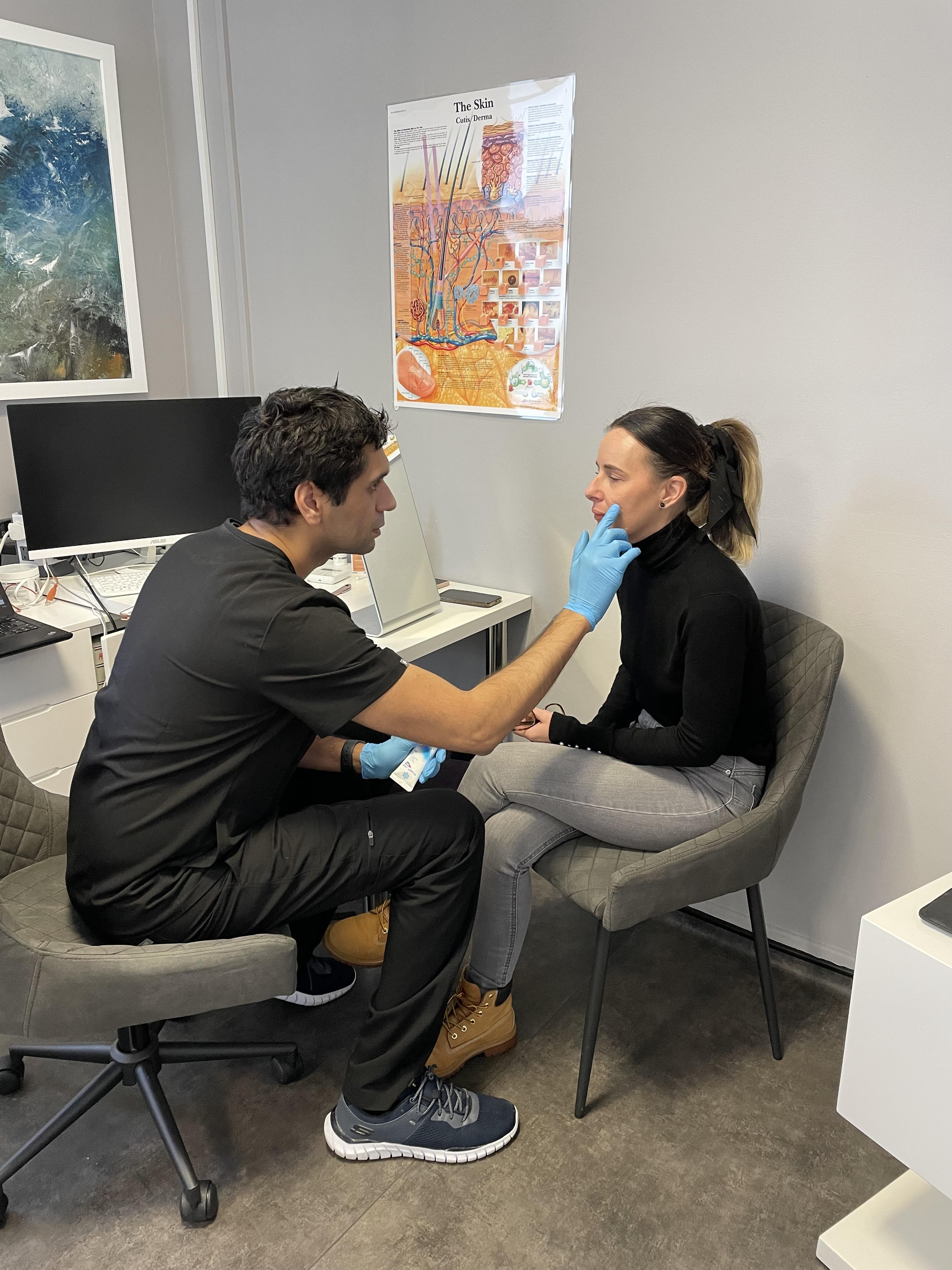
When self-care isn’t enough, doctor-led solutions can provide the expertise you need. At Vysana Clinic, we offer comprehensive care that addresses these concerns with precision.
Personalised Skincare Protocols
Your skin is unique, which is why a one-size-fits-all approach doesn’t work. At Vysana, we design personalised skincare protocols tailored to your needs. This means we consider everything from your daily routine to specific skin issues. Our goal is to equip you with the right tools, whether that’s recommending a ceramides moisturiser or incorporating niacinamide into your regimen. Most people think they know their skin, but professional insights can reveal much more.
In-Clinic Treatments and Support
For deeper issues, in-clinic treatments can make a real difference. Our advanced solutions include targeted therapies that work below the surface. These treatments are designed to repair and rejuvenate, offering support you can’t get from home care alone. With our team’s expertise, you’ll have access to the latest advancements in skincare. Treatments are conducted under the careful eye of Dr. Sunny Dhesi, ensuring safe and effective outcomes.
When to Seek Medical Advice
Not sure when to get professional help? If your skin issues persist or worsen, it’s time to consult a specialist. Persistent redness and stinging skin or an increase in flaky, tight skin are indicators you shouldn’t ignore. Waiting can lead to more significant problems, so early intervention is key. Trusting in a Rutland skin clinic like Vysana means you’re in capable hands, receiving care that’s both informed and compassionate.
Self-Help Tips for Skin Barrier Health
While professional care is vital, there are steps you can take at home to maintain a healthy skin barrier. These tips can complement the treatments you receive from specialists.
Gentle Cleansing and Moisturising
Start with a gentle approach. Use a mild cleanser that doesn’t strip your skin of its natural oils. Pair it with a ceramides moisturiser to lock in hydration. This combination helps reinforce your skin barrier. Avoid hot water which can exacerbate dryness. Instead, opt for lukewarm water when washing your face. Remember, less is often more when it comes to skincare.
Avoiding Common Irritants
Keep your skincare simple. Steer clear of products with harsh chemicals or strong fragrances. Opt for fragrance‑free skincare to minimise irritation. Be wary of overusing active ingredients like retinoids. Introduce new products slowly and observe how your skin reacts. It’s about finding what works for you without overwhelming your skin.
Importance of a Balanced Diet and Lifestyle
Your skin reflects your general health. A balanced diet rich in vitamins and minerals can support skin health. Foods high in antioxidants and omega-3 fatty acids are particularly beneficial. Combine this with a healthy lifestyle, including adequate sleep and stress management. These habits don’t just benefit your skin, but your overall wellbeing too. Your skin is a reflection of your lifestyle choices, so make them count.
In summary, understanding and caring for your skin barrier is crucial for maintaining healthy, glowing skin. By recognising signs of damage, seeking professional guidance, and adopting supportive habits, you can ensure your skin remains resilient and vibrant.