

If your skin feels tight, red, or suddenly prone to breakouts after using active products, your skin barrier might be compromised. Many overlook how over-exfoliation or retinoid irritation can damage this essential defence, leading to increased transepidermal water loss (TEWL) and sensitivity. This guide will help you spot the signs of a damaged skin barrier and outline a safe, doctor-led repair plan tailored to your skin’s needs. Read on to regain control with expert advice from Vysana Clinic. For further insights, you can explore this source.
Signs of a Compromised Skin Barrier
Understanding the signs of a compromised skin barrier is essential for effective treatment. Let’s explore some key indicators to look out for.
Identifying Redness and Stinging
When your skin barrier is compromised, it often manifests as redness and stinging. You might notice these symptoms after applying skincare products or being exposed to environmental factors such as wind or harsh weather. This is because your skin loses its ability to protect itself, making it more susceptible to irritants and allergens.
If you experience redness and stinging, consider switching to products specifically designed for sensitive skin. Look for ingredients like niacinamide, which helps soothe irritation and supports barrier repair.
Recognising Tightness and Breakouts
Tightness and breakouts are common signs that your skin barrier is not functioning properly. Tightness often occurs due to a lack of moisture, while breakouts result from a disrupted balance in your skin’s microbiome.
To combat tightness, focus on hydrating your skin with a barrier-friendly cleanser and moisturiser. Avoid harsh scrubs or peels that can exacerbate the problem. For breakouts, opt for non-comedogenic formulas that won’t clog pores, and consider consulting a professional for tailored advice.
Understanding Transepidermal Water Loss
Transepidermal Water Loss (TEWL) is a process where water passes from the dermis through the epidermis and evaporates from the skin’s surface. A healthy skin barrier minimizes TEWL, keeping your skin hydrated and healthy. If compromised, TEWL increases, leading to dryness and sensitivity.
Maintaining your skin’s moisture levels is crucial. Incorporate humectants like glycer## Signs of a Compromised Skin Barrier
If you notice changes in your skin’s texture or feel, it might signal a compromised skin barrier. Recognising these signs early can help you take action before further damage occurs.
Identifying Redness and Stinging
Have you ever applied a product and felt an immediate sting? This could mean your skin’s natural defences are down. Redness often follows, especially after cleansing or using active ingredients. These are clear indicators that your skin is trying to tell you something’s wrong. Imagine applying a gentle moisturiser only for it to burn — that’s your skin barrier waving the red flag.
Recognising Tightness and Breakouts
Tightness is another sign that your skin is struggling. It might feel like your skin is a size too small. This discomfort often leads to breakouts, as your skin produces more oil to compensate for the dryness. If you find your usual routine is suddenly causing spots, it might be time to reassess your skincare approach.
Understanding Transepidermal Water Loss
You’ve likely never heard of TEWL, but it’s a crucial concept in skincare. This occurs when your skin loses too much water, leaving it dehydrated. The result? Skin feels dry, flaky, and sensitive. It’s like your skin’s moisture is escaping, leaving it defenceless and parched.
Causes of Skin Barrier Damage
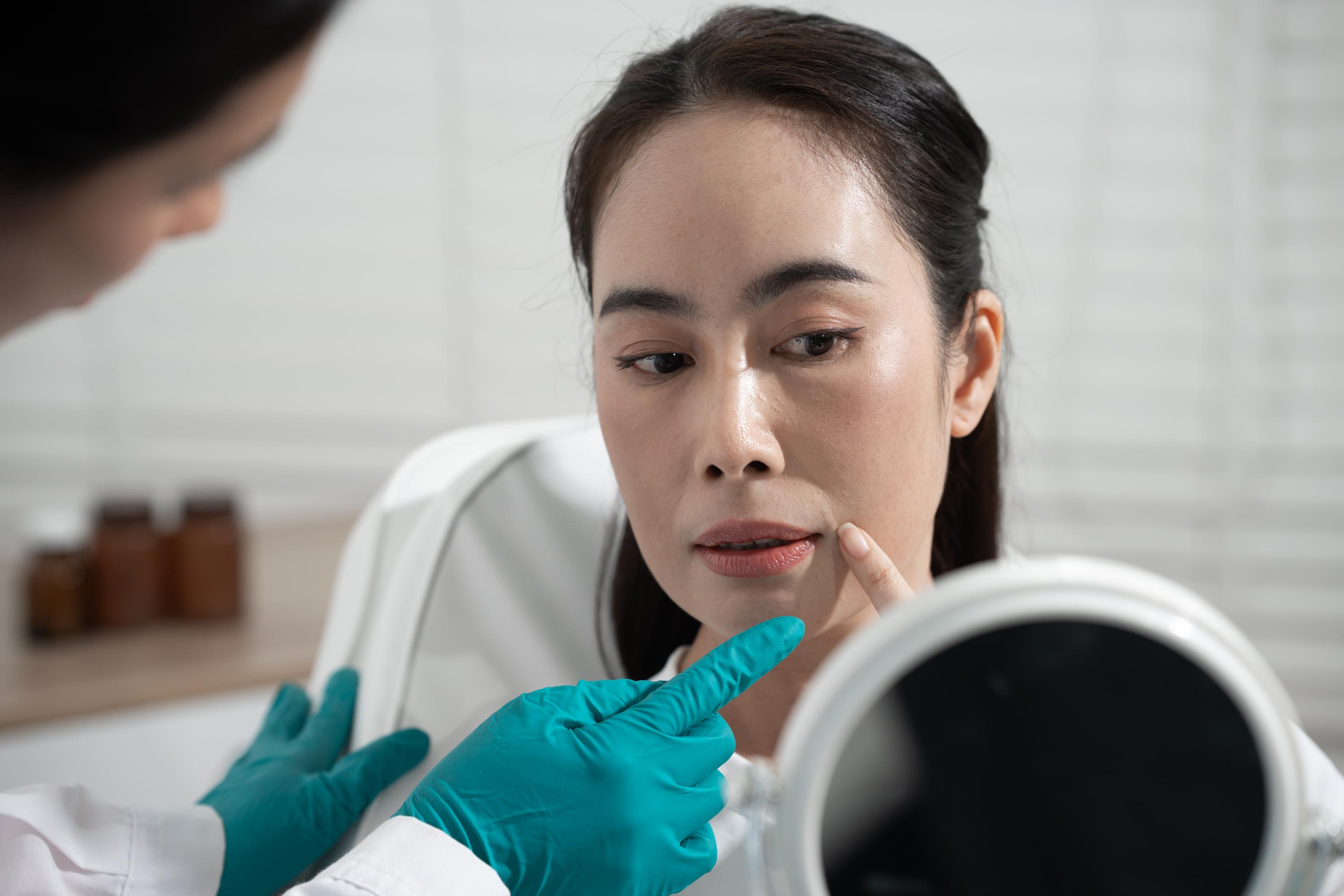
Understanding what causes a compromised skin barrier is half the battle. These common culprits can sneak into your routine, unnoticed.
Over-Exfoliation and Harsh Ingredients
Exfoliating can make your skin feel fresh, but going overboard strips away natural oils. This leaves skin vulnerable and irritated. Harsh ingredients like alcohol or strong acids can exacerbate this, leading to more harm than good. You might think you’re helping your skin, but in reality, you’re doing more damage.
Retinoid Irritation and Skin Purging
Retinoids are powerful, but they can also be harsh. They can cause irritation, especially when first introduced. This often results in skin purging, where breakouts worsen before they improve. It’s crucial to introduce retinoids slowly, allowing your skin to adapt without overwhelming it.
Impact of Environmental Stressors
Weather changes, pollution, and sun exposure all play a role in skin barrier health. Cold air and indoor heating can dry your skin, while UV rays can cause lasting damage. Protecting your skin from these elements is essential to maintaining its health.
Building a Barrier Repair Routine

With the root causes identified, let’s focus on repairing and strengthening your skin barrier. A thoughtful routine can make all the difference.
Selecting Fragrance-Free Skincare
Fragrance is often an unnecessary irritant in skincare products. Opting for fragrance-free options reduces the risk of irritation and helps maintain a healthy barrier. This simple switch can provide a soothing experience for sensitive skin.
Incorporating Ceramides, Cholesterol, and Fatty Acids
These ingredients are the building blocks of your skin barrier. They help restore and strengthen the skin’s natural barrier, ensuring it functions correctly. Look for products rich in these components to nourish and protect your skin effectively.
Benefits of LED Light Therapy for Skin
LED light therapy can promote healing and reduce inflammation. It’s a non-invasive way to enhance skin health and address various concerns. Incorporating this treatment can support your skin barrier’s recovery and promote long-term resilience.
Frequently Asked Questions
What are the symptoms of a damaged skin barrier?
Symptoms include redness, stinging, tightness, and increased sensitivity. You may also notice more frequent breakouts and dry patches.
How can I repair my skin barrier?
Begin by avoiding harsh products, incorporating ceramides, cholesterol, and fatty acids, and choosing fragrance-free skincare. LED light therapy can also support healing.
What causes a compromised skin barrier?
Common causes include over-exfoliation, harsh ingredients, retinoid irritation, and environmental stressors like pollution and UV rays.
Why is transepidermal water loss important?
TEWL refers to the loss of water from the skin, leading to dehydration and sensitivity. Managing TEWL helps maintain a healthy, hydrated skin barrier.
Can environmental factors affect my skin barrier?
Yes, factors like weather changes, pollution, and sun exposure can weaken your skin barrier, highlighting the importance of protection and care.
By understanding these signs and taking proactive steps, you can protect and repair your skin barrier effectively.