

Dehydrated skin and a damaged skin barrier often feel similar, but treating one as the other can do more harm than good. Knowing the difference between skin hydration vs moisture is key to choosing the right care. This guide will help you spot dehydrated skin signs, recognise when your moisture barrier needs repair, and understand when it’s time for a medical review. At Vysana Clinic Rutland, Dr Sunny Dhesi offers expert skin health assessments that create safe, natural treatment plans tailored to your needs.
Recognising Dehydrated Skin
Understanding the signs of dehydrated skin is the first step to resolving it. If your skin feels tight and looks dull, it might be thirsty rather than dry.
Dehydrated Skin Signs
Dehydrated skin often feels tight and looks dull. You might notice fine lines that seem more pronounced. Unlike dry skin, which lacks oil, dehydrated skin lacks water. This can happen to any skin type, even oily. To check, gently pinch your cheek. If it wrinkles with gentle pressure, your skin needs more water. Learn more about distinguishing between dry and dehydrated skin. Drinking more water and using hydrating serums can help restore balance. If your skin does not improve, consider consulting a professional.
Skin Hydration vs Moisture
The terms hydration and moisture often get mixed up, but they are not the same. Hydration refers to the water content in your skin, while moisture is about the oil. Both are crucial for healthy skin. Hydrating products, like serums with hyaluronic acid, attract water to the skin. Moisturisers lock in that hydration with oils. Knowing the difference can help you choose the right products for your skin. For instance, if your skin feels tight, reach for a hydrating serum first.
Hyaluronic Acid and Glycerin Benefits
Hyaluronic acid and glycerin are two powerhouse ingredients in skincare. They both attract water but work in slightly different ways. Hyaluronic acid can hold up to## Recognising Dehydrated Skin
Understanding dehydrated skin is the first step to effective care. It often masks as dry skin but requires different treatment.
Dehydrated Skin Signs
Dehydrated skin can look dull, feel tight, and show more fine lines. It differs from dry skin, which lacks oil, as dehydration is about water loss. You might notice your skin feels rough or itchy, and makeup may not sit well. These signs indicate a need for hydration rather than mere moisturization. If your skin seems to drink up products without lasting comfort, dehydration could be the culprit.
Skin Hydration vs Moisture
Knowing the distinction between hydration and moisture is crucial. Hydration adds water to the skin, while moisture locks it in. Hydrated skin feels plump and more elastic. In contrast, moisture involves using oils to form a barrier on the skin, preventing water loss. For lasting skin health, both elements are essential. Understanding this can help in choosing the right products.
Hyaluronic Acid and Glycerin Benefits
Hyaluronic acid and glycerin are powerhouses for hydration. Hyaluronic acid holds a thousand times its weight in water, bringing moisture to the skin’s surface. Glycerin, a humectant, draws water from the environment and deeper skin layers. Together, they boost hydration, making your skin look fresh and supple. These ingredients are key for improving dehydrated skin.
Addressing a Damaged Skin Barrier
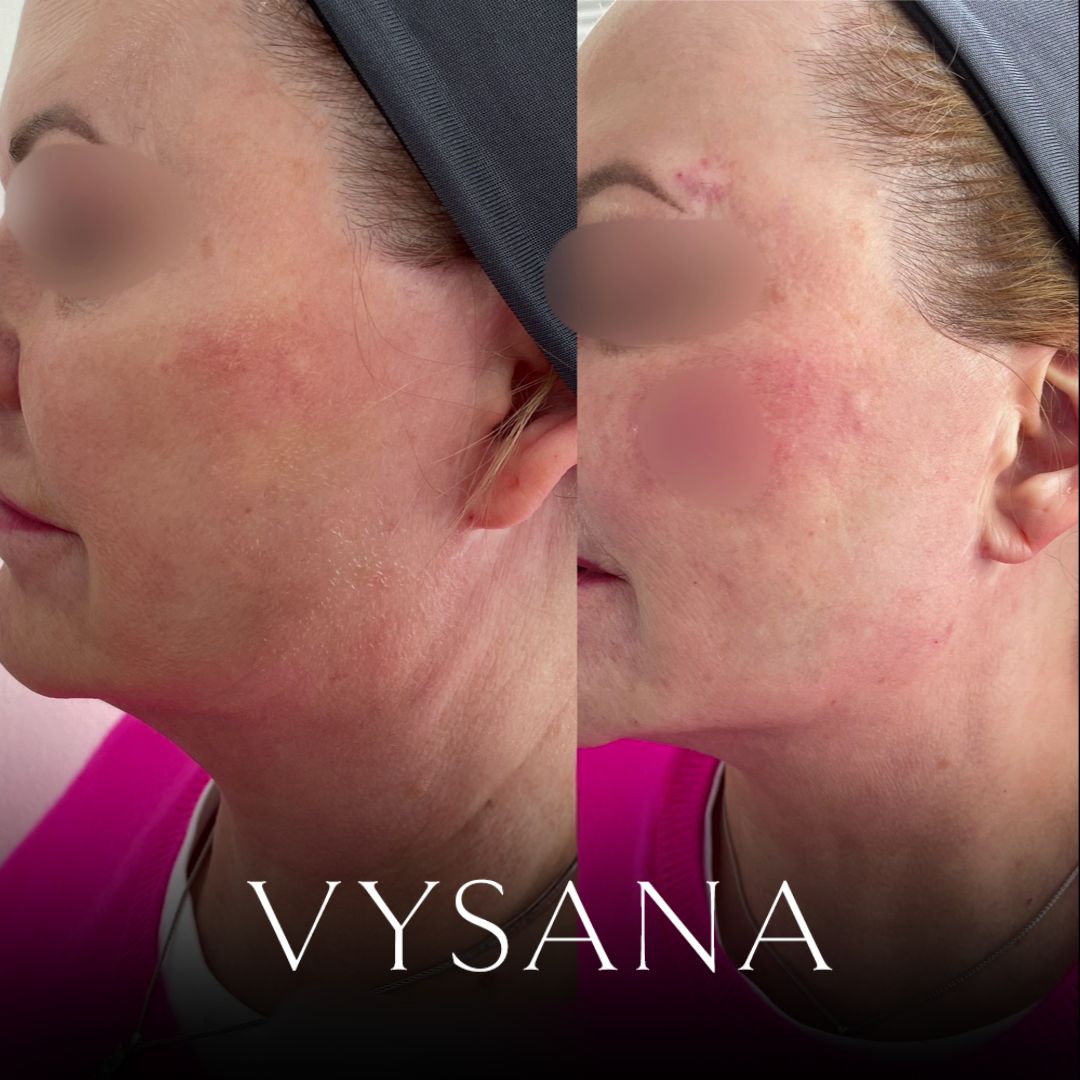
A compromised skin barrier can lead to sensitivity and irritation. Recognising and repairing it is vital for long-term skin health.
Skin Barrier Repair Essentials
Repairing your skin barrier involves restoring the lipids that protect it. Look for products with fatty acids and cholesterol. These ingredients help rebuild the barrier, reducing water loss and improving resilience. Maintaining a balanced routine with gentle products can protect the barrier from future damage.
Ceramides and Niacinamide Role
Ceramides and niacinamide are crucial in skin barrier repair. Ceramides fill the gaps in your skin’s protective layer, strengthening it against environmental stressors. Niacinamide, a form of vitamin B3, reduces inflammation and improves skin elasticity. Together, they enhance your skin’s barrier function, making it more resilient and healthy.
Over-exfoliation and Sensitive Skin
Over-exfoliating strips your skin of its essential oils, leading to sensitivity. If your skin becomes red or irritated, it might be over-exfoliated. Stick to exfoliating 1-2 times a week, using gentle products. This helps maintain a strong barrier while keeping your skin smooth. Remember, less is often more when it comes to exfoliation.
When to Seek a Doctor’s Advice

Sometimes, skin issues require professional assessment. Here’s when to consider a medical review.
Red Flags for Medical Review
Persistent redness, severe dryness, or unexpected reactions should prompt a doctor’s visit. If over-the-counter treatments don’t work, or your skin is painful, it may indicate a deeper problem. A doctor can assess for conditions like eczema or rosacea and tailor a treatment plan for you.
Rosacea vs Sensitivity Clues
Rosacea and sensitivity can look similar but have different triggers. Rosacea often involves persistent redness and visible vessels, while sensitivity might result from product reactions. Understanding these differences can guide treatment choices. If unsure, consulting a professional can provide clarity and relief.
Private GP Skin Review in Rutland
At Vysana Clinic Rutland, Dr. Sunny Dhesi offers comprehensive skin reviews. With expert guidance, you can receive tailored care addressing your unique concerns. Whether it’s aesthetic treatments or managing skin conditions, professional advice ensures safe and effective outcomes.
Frequently Asked Questions
What are common signs of dehydrated skin?
Dehydrated skin may look dull and feel tight. Fine lines appear more pronounced, and skin can feel itchy. Unlike dry skin, it results from a lack of water, not oil.
How can I tell if my skin barrier is damaged?
A compromised barrier often leads to redness, dryness, and sensitivity. If your skin reacts to products more than usual, it might need barrier repair.
When should I see a doctor about my skin?
If skin issues persist despite home care, or if you experience severe symptoms like pain, consult a doctor. They can diagnose underlying conditions and recommend effective treatments.
What products help with skin hydration?
Ingredients like hyaluronic acid and glycerin are excellent for hydration. They attract water to the skin, improving its plumpness and reducing fine lines.
How often should I exfoliate sensitive skin?
For sensitive skin, exfoliating 1-2 times per week is generally sufficient. Use gentle products to avoid over-stripping the skin’s protective oils.