

Menopause and Your Skin: Doctor‑Led Skincare Strategies That Work
Menopause brings more than hot flushes—it changes your skin in ways you might not expect. Hormonal shifts can cause dryness, pigmentation, and even new breakouts. At Vysana Clinic, we offer doctor-led menopause skincare UK strategies that address these changes with medical insight and personalised care. Read on to learn how tailored treatments and expert advice can help your skin stay healthy and radiant through midlife. For more insights, you can visit this resource.
Understanding Hormonal Skin Changes
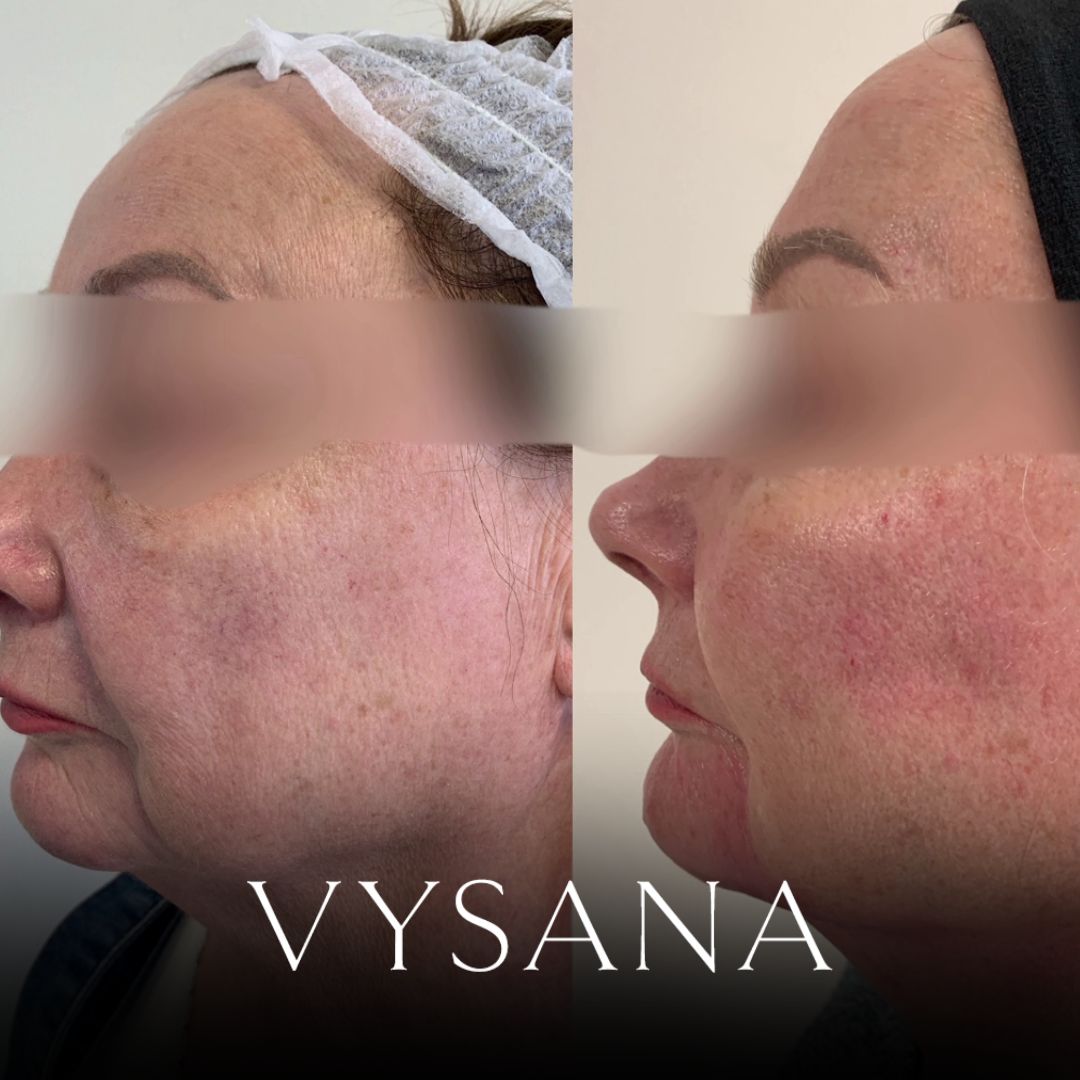
Navigating hormonal changes during menopause can feel overwhelming, especially when they affect your skin. Let’s break down what’s happening beneath the surface.
Perimenopause Skin Changes Explained
During perimenopause, hormones fluctuate, leading to noticeable changes in your skin. You might find that your once predictable skin becomes dry or starts breaking out. It’s not uncommon. These changes are driven by decreasing estrogen levels, which affect how your skin retains moisture and produces oil.
As the oil production decreases, your skin may feel drier and more prone to inflammation. This can lead to redness or even the appearance of rosacea. If you’re experiencing this, you’re not alone. Many women notice their skin becoming more sensitive. Understanding this can help you adapt your skincare routine to maintain balance and comfort.
Collagen Loss and Skin Ageing
Collagen is crucial for keeping your skin firm and youthful. But menopause can speed up its loss. By age 50, many women have lost about 30% of their skin’s collagen. This decline can lead to wrinkles and sagging. The structure of your skin relies heavily on collagen, and without it, elasticity decreases.
You might notice changes not just in texture but in the overall tone of your skin. Wrinkles become more pronounced, and your skin might feel thinner. While this can be concerning, knowing the cause is the first step toward addressing it. With the right strategies, you can support your skin’s structure and maintain its vitality. Learn more about collagen and menopause.
Menopause Pigmentation and Melasma
Pigmentation issues can also arise during menopause. The hormonal shifts can lead to dark spots or melasma, especially if you’ve had similar concerns in the past. These spots are often due to hormonal imbalances and sun exposure over time.
Melasma can appear as patches of brown or gray skin, typically on the face. It’s tempting to cover these with makeup, but addressing the root cause is more effective. Hyperpigmentation, often exacerbated by UV exposure, can be managed with targeted treatments and protective measures.
Doctor-Led Skincare Strategies

To effectively manage these changes, adopting a doctor-led skincare routine can make a significant difference. Here’s how you can start.
Personalised Skincare Routine Essentials
Crafting a personalised skincare routine is key. Start with a gentle cleanser to avoid stripping your skin of its natural oils. Hydration is crucial, so incorporate a moisturiser rich in ceramides to repair your skin barrier. These ingredients help lock in moisture and protect your skin from external irritants.
Next, consider integrating niacinamide into your regimen. It’s known for reducing inflammation and improving the skin’s elasticity. This ingredient can be a game-changer for balancing your skin’s needs during menopause. Remember, consistency is vital. A regular routine can help maintain your skin’s health and resilience.
Targeted Treatments: Retinoids and Niacinamide
Retinoids are powerful allies in combating signs of ageing. They stimulate collagen production, helping to reduce wrinkles and improve skin texture. If you’re new to retinoids, start with a low concentration to allow your skin to adjust. Over time, you can work up to more potent formulas for enhanced results.
Pairing retinoids with niacinamide can also help soothe your skin. While retinoids work on the deeper layers, niacinamide strengthens the surface, reducing redness and irritation. This combination can offer a balanced approach to managing ageing skin effectively. Discover more about skincare dos and don’ts.
Importance of Broad-Spectrum SPF 50
Sun protection is a non-negotiable part of your skincare strategy. Using a broad-spectrum SPF 50 shields your skin from harmful UV rays, which can worsen pigmentation and accelerate ageing. Make it a daily habit, regardless of the weather.
Applying SPF should be the last step in your morning routine. Not only does this protect against immediate sun damage, but it also helps prevent long-term effects like melasma. By prioritising sun protection, you’re actively preserving your skin’s health and appearance.
In-Clinic Treatments for Menopause Skin
While home care is essential, certain in-clinic treatments can provide a deeper level of care and improvement.
Microneedling for Collagen Induction
Microneedling is an effective treatment for boosting collagen production. It involves creating tiny punctures in the skin, prompting it to heal and regenerate. This process can significantly improve texture and firmness, giving your skin a youthful glow.
The treatment is minimally invasive and often requires little downtime. Many women find it beneficial for reducing fine lines and improving overall skin texture. If you’re looking to revitalise your complexion, microneedling could be a great option to consider. Explore more about the benefits of microneedling.
Chemical Peels and Pigmentation Solutions
Chemical peels are another powerful tool for addressing pigmentation issues. By removing the top layers of skin, they help diminish dark spots and reveal a fresher complexion. Depending on the severity of your pigmentation, different strengths of peels can be used.
These treatments not only improve pigmentation but can also help in smoothing out skin texture. For those dealing with stubborn melasma or age spots, chemical peels offer a targeted solution. It’s important to consult a professional to understand the best approach for your skin type.
Skin Boosters for Hydration and Structure
Skin boosters are injectable treatments that enhance hydration and support the skin’s structure. They deliver hyaluronic acid directly into the skin, which helps in retaining moisture and improving elasticity. This treatment can be particularly beneficial for those experiencing dryness due to menopause.
By providing deep hydration, skin boosters can give your skin a plump, youthful appearance. They are a great option if you’re looking to enhance your skin’s natural glow and resilience. With professional guidance, these treatments can be tailored to meet your specific skin needs.
In conclusion, understanding and addressing the changes in your skin during menopause is empowering. With the right strategies and treatments, you can maintain a healthy, radiant complexion through every stage of life.