

Midlife skin changes can feel sudden and puzzling, especially when your reflection starts showing signs you didn’t expect. Hormonal shifts during perimenopause and menopause disrupt your skin’s balance, causing issues like dryness, pigmentation, and loss of firmness. At Vysana Clinic, Dr Sunny Dhesi offers a doctor-led, evidence-based approach that looks beyond quick fixes to address these changes through tailored skincare, hormone advice, and natural-looking aesthetic treatments. Read on to understand what’s happening beneath the surface and how you can regain healthy, resilient skin. For more insights, you can refer to this source.
Hormonal Shifts and Skin Changes
As you navigate midlife, your skin undergoes various changes due to hormonal shifts. Understanding these changes helps you manage and care for your skin effectively.
Perimenopause Skin Challenges
Perimenopause often brings unexpected skin changes. You might notice increased dryness and sensitivity. This is largely due to fluctuating hormone levels, which affect oil production.
Your skin may also become more prone to redness and irritation. Simple changes in your routine can help manage these challenges. For instance, using a gentle cleanser and applying a moisturiser twice daily can make a noticeable difference. Another common issue is the appearance of fine lines and wrinkles. While these changes are natural, they can be distressing. It’s essential to adopt a skincare regime that includes products aimed at hydrating and protecting your skin.
Oestrogen Decline and Its Impact
One significant hormonal change during menopause is the decline of oestrogen. This hormone plays a crucial role in maintaining skin health. As oestrogen levels drop, you may notice your skin becoming thinner and less elastic.
This decline also affects collagen production, leading to sagging skin. To combat these effects, consider incorporating products rich in antioxidants and peptides into your skincare routine. These ingredients can support collagen production and improve skin firmness. Additionally, protecting your skin with a broad-spectrum sunscreen every day can prevent further damage and maintain a healthy complexion.
Collagen Loss and Skin Elasticity
Collagen is essential for maintaining skin elasticity and firmness. As you age, your body produces less collagen, which can result in sagging skin and wrinkles. This is a natural part of the ageing process but can be managed with the right approach.
Hormonal Shifts and Skin Changes
Hormones play a crucial role in how your skin feels and looks, particularly during midlife changes. Understanding these shifts is the first step to healthier skin.
Perimenopause Skin Challenges
During perimenopause, your skin might start to feel different. You could notice increased dryness or sensitivity, perhaps even unexpected breakouts. This happens because your hormone levels, especially oestrogen, begin to fluctuate. Oestrogen helps to maintain skin moisture and elasticity, so when its levels drop, the skin can lose its plumpness and moisture. This phase isn’t just about wrinkles or lines appearing; it’s about understanding that your skin needs more attention now. You might see redness or feel itchiness, signs that your skin barrier is struggling. It’s essential to start gentle skincare routines that focus on hydration and barrier support. A simple routine with a mild cleanser and a moisturiser rich in ceramides can make a big difference.
Oestrogen Decline and Its Impact
The decline in oestrogen during menopause significantly affects your skin. Oestrogen plays a vital role in the production of collagen and oils that keep your skin smooth and hydrated. Without it, skin becomes thinner and drier, making wrinkles more pronounced. You might notice your skin feels less firm or starts to sag. This change isn’t just cosmetic; it’s a sign that your skin’s ability to repair and regenerate is slowing down. To counter these effects, consider incorporating products with ingredients like hyaluronic acid, which helps to boost hydration, or retinoids that can promote cell turnover and support collagen production. Engaging with a professional for tailored advice can also help manage these changes effectively.
Collagen Loss and Skin Elasticity
Collagen is a protein that gives your skin structure and strength. As you age, your body produces less collagen, and existing fibres break down or become fragmented. This loss is a major factor in skin sagging and the formation of lines. The good news is that you can support collagen production through a variety of methods. Topical treatments, like those containing peptides, can help encourage collagen synthesis. Additionally, treatments such as microneedling or laser therapy offered at clinics can stimulate your skin to produce more collagen naturally. You can learn more about these treatments and their benefits at WebMD.
Evidence-Based Skincare Solutions
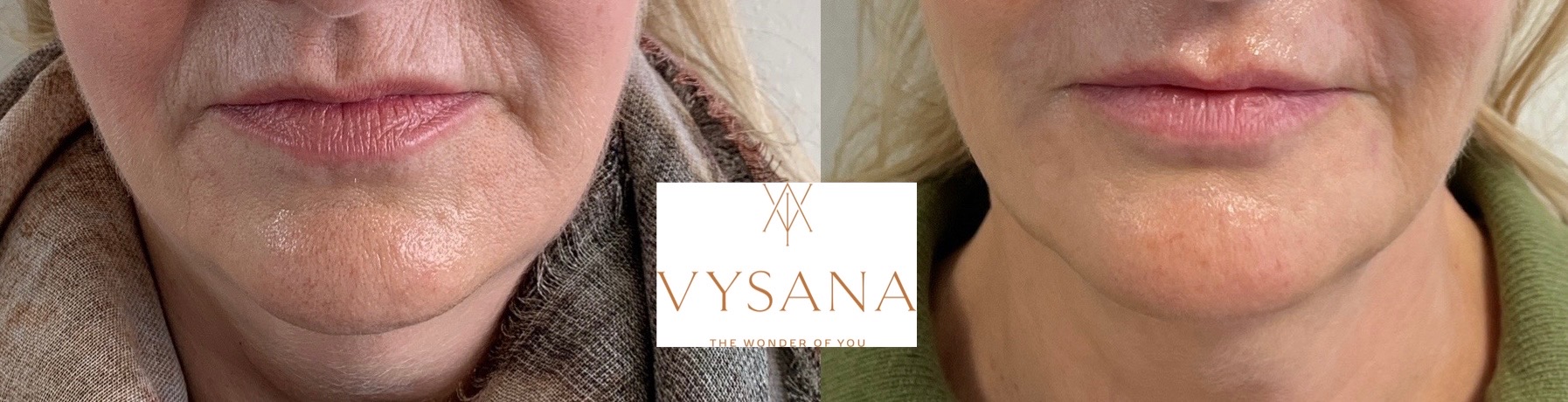
Skincare tailored to your specific needs is crucial. It’s about choosing solutions that repair and protect, not just cover up.
Skin Barrier Repair Techniques
Repairing your skin barrier can alleviate many common issues. A damaged barrier can lead to irritation and increased sensitivity. Start with a gentle cleanser to remove dirt without stripping oils. Follow with a rich moisturiser that locks in moisture and protects against environmental stressors. Ingredients like ceramides and niacinamide can be particularly beneficial. They help to strengthen the barrier and reduce redness. Regular use can leave your skin feeling more resilient and comfortable. For those experiencing severe issues, consulting a dermatologist can provide guidance tailored to your skin’s needs. More insights can be found in this article.
Hormonal Acne in Adults
Hormonal acne isn’t just a teenage problem. Many adults experience breakouts due to hormonal fluctuations, especially around the jawline. This type of acne can be persistent and frustrating. Over-the-counter treatments might not always work, as they often target bacteria rather than hormones. Prescription treatments, such as topical retinoids or oral medications, can be effective. These treatments not only clear acne but also help prevent future breakouts. Addressing diet and stress management can also play a role in controlling hormonal acne. Consultation with a healthcare provider ensures a comprehensive approach to treatment.
Addressing Pigmentation and Melasma
Pigmentation changes, such as melasma, often become more pronounced with hormonal changes. This condition can present as dark patches on areas frequently exposed to the sun. Treating melasma requires a multipronged approach. Sun protection is crucial; daily use of a broad-spectrum sunscreen can prevent further darkening. Topical treatments containing ingredients like azelaic acid or hydroquinone can help lighten these spots over time. Procedures such as chemical peels or laser treatments, available at clinics like Vysana, offer more targeted approaches and can be combined with topical treatments for enhanced results. Learn more about managing these changes effectively.
Doctor-Led Aesthetic Options
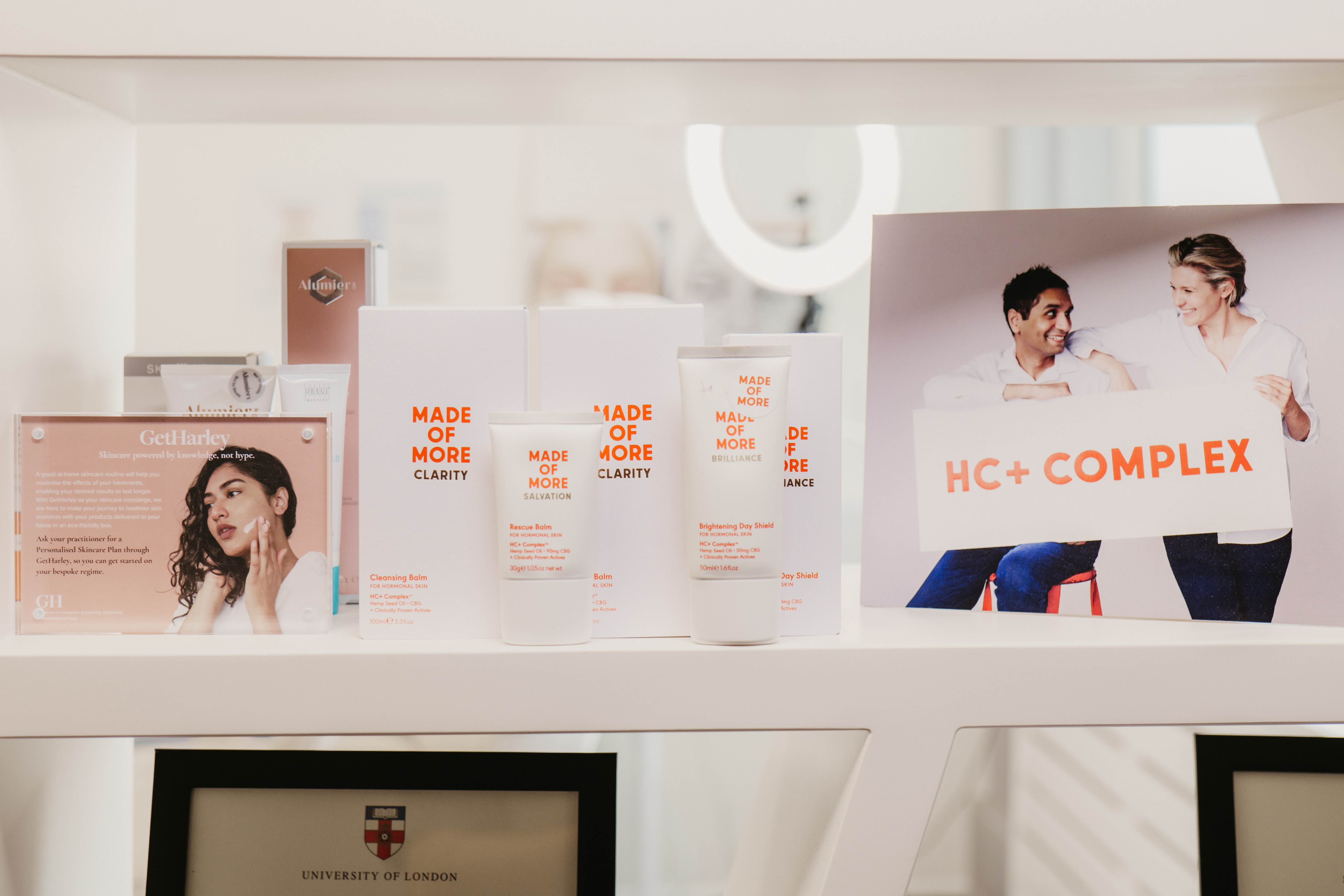
Exploring aesthetic treatments can offer solutions to skin challenges, providing a natural-looking refresh and boosting confidence.
Skin Laxity Treatment Approaches
When skin loses its firmness, it can impact how you feel about your appearance. Non-surgical treatments, such as radiofrequency or ultrasound therapy, can be effective in tightening loose skin. These treatments work by stimulating collagen production, gradually firming and lifting the skin. They offer a non-invasive option with minimal downtime, making them a convenient choice for those with busy lifestyles. Consulting with a professional ensures you choose the best method tailored to your needs, offering a path to rejuvenated, firmer skin. These approaches are available at Vysana Clinic.
Bioidentical HRT Advice
Bioidentical hormone replacement therapy (HRT) is an option for managing the symptoms of menopause, including skin changes. Unlike synthetic hormones, bioidentical hormones are designed to closely mimic the body’s natural hormones. This therapy can help balance hormone levels, alleviating symptoms such as dryness and improving skin’s elasticity and appearance. A doctor-led consultation is essential to ensure that this treatment aligns with your health needs and goals. It’s a personal choice, and having the guidance of a healthcare professional like Dr. Sunny Dhesi can make the process smoother and more effective.
Skin Rejuvenation Clinic Insights
At Vysana Clinic, skin rejuvenation is approached with a blend of science and care. Treatments are tailored to your unique needs, offering solutions that enhance your natural beauty without dramatic changes. From personalised skincare plans to advanced aesthetic treatments, the focus is on achieving results that feel and look natural. The clinic’s comprehensive approach ensures that your skin and overall well-being are considered, providing a holistic path to healthier, more vibrant skin. This focus on personalised care sets Vysana Clinic apart, offering a trusted environment for your skincare journey.
Frequently Asked Questions
What are common skin changes during perimenopause?
During perimenopause, you may experience increased dryness, sensitivity, and even unexpected breakouts due to hormonal fluctuations affecting your skin’s moisture and elasticity.
How does oestrogen affect skin health?
Oestrogen helps maintain skin’s moisture and collagen production. As its levels decline during menopause, skin can become thinner and drier, leading to more pronounced wrinkles.
Can hormonal acne occur in adults?
Yes, hormonal acne is common in adults, often appearing around the jawline, and can be managed with prescription treatments targeting the underlying hormonal causes.
What treatments help with skin laxity?
Non-surgical treatments like radiofrequency or ultrasound can tighten loose skin by stimulating collagen production, offering a convenient option with minimal downtime.
Is bioidentical HRT suitable for everyone?
Bioidentical HRT can help balance hormones and improve skin appearance, but it requires a doctor-led consultation to ensure it suits your individual health needs.