

Midlife skin changes aren’t just about getting older—they often signal shifts in your hormones and disrupted sleep patterns. These factors can cause dryness, sensitivity, breakouts, and uneven pigmentation that feel frustrating and confusing. Understanding how oestrogen and collagen interact with your sleep cycle can help you manage these changes with proven, doctor-led strategies tailored for you. At Vysana Clinic, we combine medical insight with natural-looking care to support your skin and wellbeing through midlife and beyond. Learn more here.
Hormonal Shifts and Midlife Skin Changes
Your skin goes through a lot during midlife. The changes are not just skin-deep; they’re driven by hormones. Let’s look at how this happens and what you can do about it.
Oestrogen and Collagen Loss
Oestrogen plays a big role in keeping your skin looking youthful. As levels drop, you might notice your skin getting thinner and less firm. This is because oestrogen helps with collagen production, which keeps your skin plump and smooth. Without enough collagen, your skin can sag and form wrinkles more easily. If you’ve noticed these changes, you’re not alone. It’s a common experience for many during this stage of life.
Perimenopause and Andropause Effects
Perimenopause and andropause bring their own set of skin challenges. During these times, hormone levels fluctuate. This can lead to unexpected breakouts or increased dryness. Men might experience changes similar to women, although they are often less discussed. It’s important to understand that these shifts are normal, and there are ways to manage them effectively.
Hyperpigmentation and Sensitivity
With hormonal changes, your skin might become more sensitive. You may also notice increased pigmentation. This is because hormones can affect how your skin reacts to sunlight and other environmental factors. Dark spots or patches may appear, making your skin look uneven. Protecting your skin and using targeted skincare can help manage these concerns.
Sleep Disruption and Skin Health
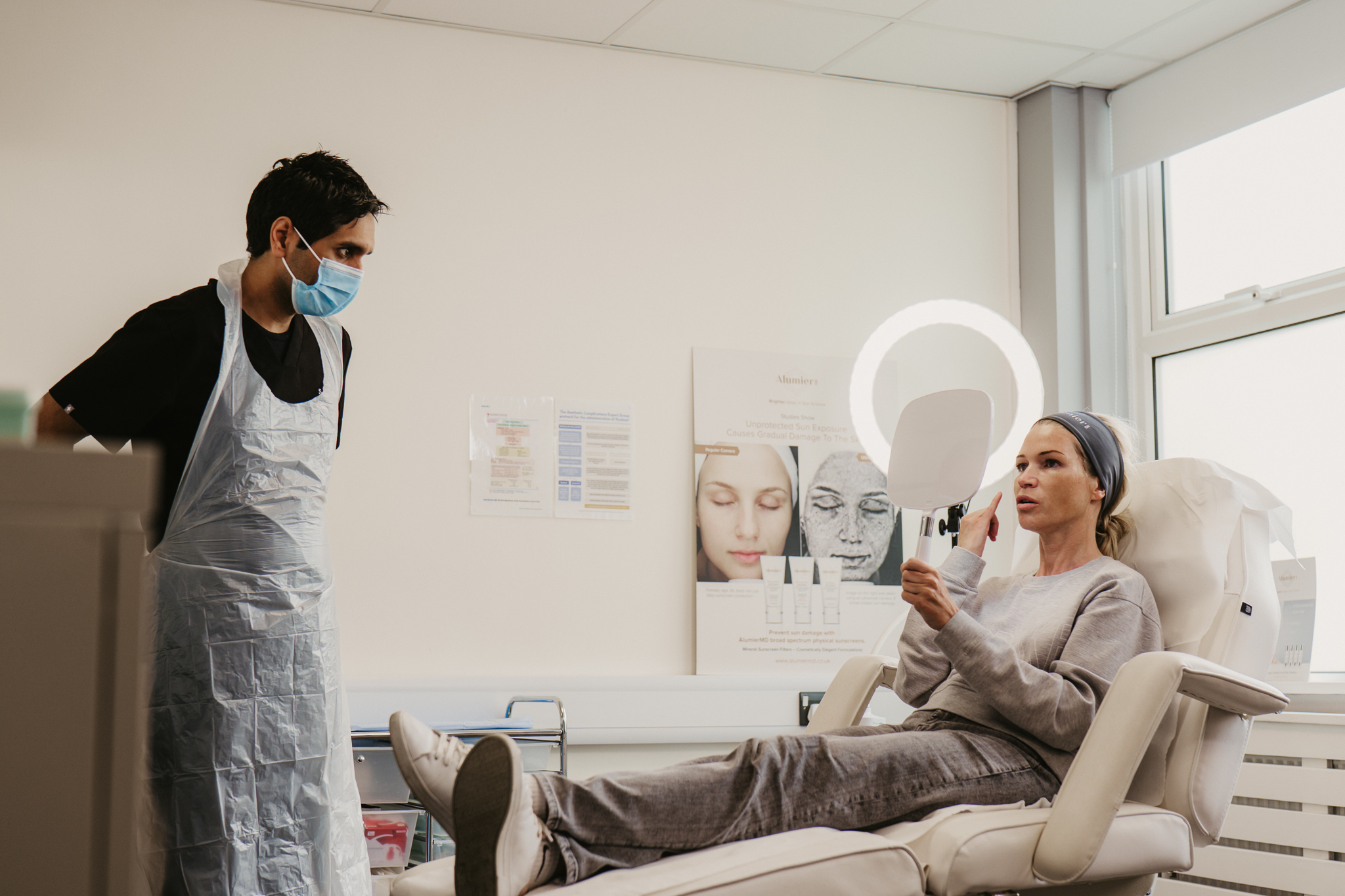
A good night’s sleep is crucial for healthy skin. Sleep disruption can lead to visible changes in your skin’s appearance. Let’s see how sleep affects your skin.
Cortisol and Breakouts
When you’re sleep-deprived, cortisol levels can rise. Cortisol is a stress hormone, and too much of it can lead to breakouts. You might notice more pimples or oily skin when you’re not getting enough rest. Ensuring adequate sleep can help manage cortisol levels and keep your skin clearer.
Melatonin and Circadian Rhythm
Melatonin is another hormone that affects your skin. It regulates your sleep cycle, and when it’s off balance, so is your skin. Your skin repairs itself at night, and melatonin supports this process. Maintaining a regular sleep schedule helps your skin stay healthy and resilient.
Transepidermal Water Loss
Without enough sleep, your skin can lose more water overnight. This is known as transepidermal water loss (TEWL). It leads to dry, dull skin, making you look tired and worn out. Hydration and proper skincare can help reduce the effects of TEWL.
Evidence-Based Skincare Solutions
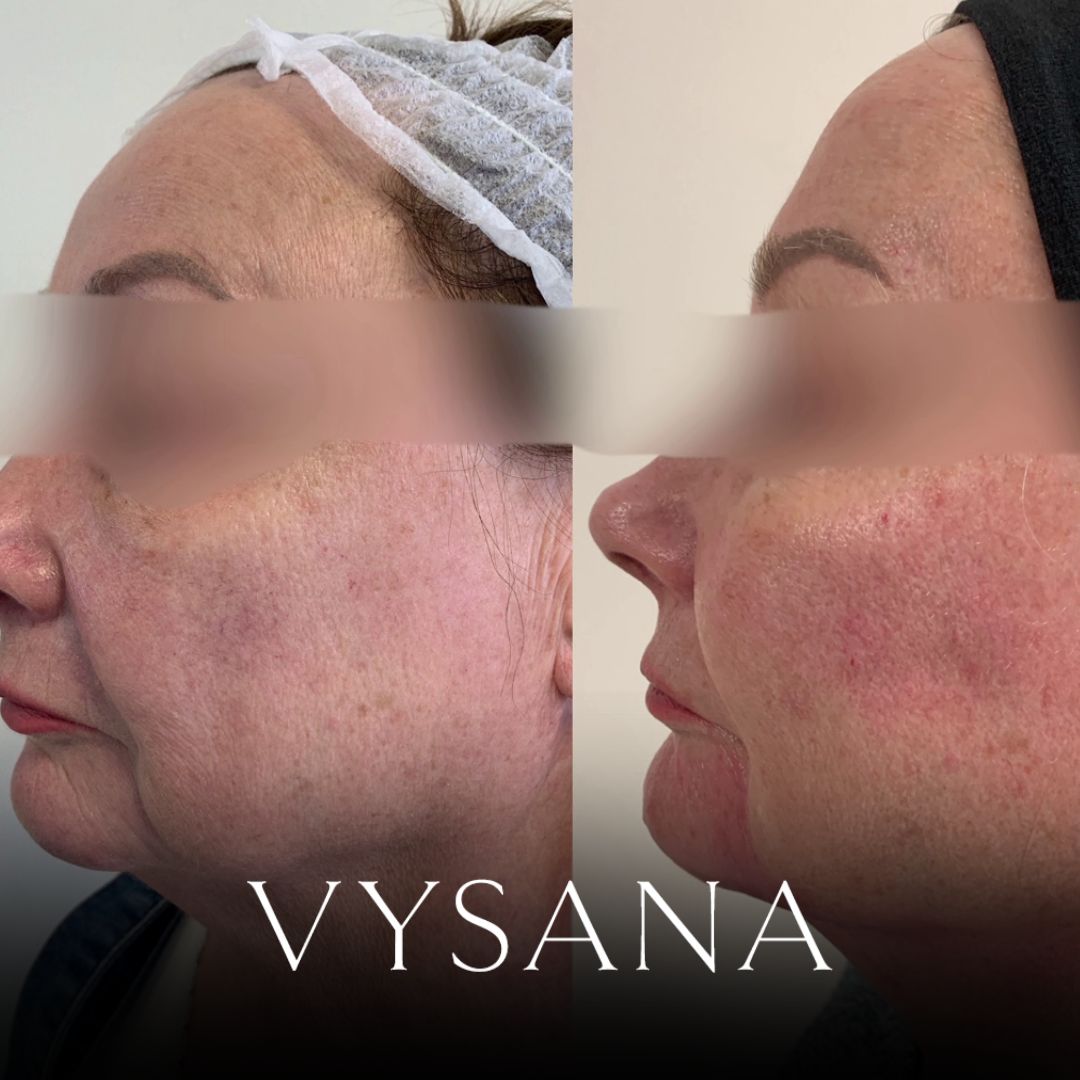
Taking care of your skin with the right products and treatments can make a big difference. Here are some solutions to consider.
Medical-Grade Skincare Plans
A skincare routine tailored to your needs is essential. Medical-grade products contain higher concentrations of active ingredients. They can improve skin texture, tone, and overall appearance. Consulting with a professional ensures you choose the right products for your skin type.
Doctor-Led Aesthetic Treatments
Aesthetic treatments can provide visible improvements. Options like microneedling and chemical peels can boost collagen production and improve skin texture. Choosing a doctor-led clinic ensures safety and effectiveness. These treatments can be tailored to your specific skin concerns.
Personalised HRT and Sleep Strategies
Hormone Replacement Therapy (HRT) can help balance hormone levels, reducing skin issues. Alongside this, developing a sleep strategy can improve your skin’s health. Techniques like sleep hygiene practices and potential supplements can enhance your sleep quality.
Frequently Asked Questions
What causes skin changes in midlife?
Midlife skin changes are mainly due to hormonal shifts, particularly the decrease in oestrogen and testosterone levels. These hormones affect collagen production, skin thickness, and moisture levels, leading to visible changes like wrinkles and dryness.
How does sleep affect my skin’s appearance?
Sleep is critical for skin repair. During sleep, your body produces collagen, which prevents sagging. Sleep deprivation can increase cortisol levels, leading to breakouts and dry skin due to increased transepidermal water loss.
What skincare solutions are best for midlife skin?
For midlife skin, medical-grade skincare products are recommended. They contain effective ingredients that address specific concerns. Consulting with a doctor can help you find treatments like microneedling or chemical peels, which are beneficial for collagen production.
Can hormone therapy help with skin changes?
Yes, Hormone Replacement Therapy (HRT) can help balance hormone levels and reduce the effects of skin changes during midlife. It’s important to discuss this with a healthcare provider to understand the benefits and risks.
How can I manage hyperpigmentation in menopause?
Managing hyperpigmentation during menopause involves using sunscreen daily to prevent sun damage and considering treatments like chemical peels or laser therapy, which a doctor can recommend based on your skin type.