

Midlife skin changes catch many by surprise. You might notice your skin feels different—drier, looser, or showing new spots—and wonder what’s normal. Hormones, collagen loss, and years of sun exposure all play a part, but some changes need urgent attention. This guide will help you spot the warning signs and explain how a private GP in Rutland can support your skin health with expert care and tailored treatments.
Causes of Midlife Skin Changes
Understanding why your skin changes can help you manage it better. Let’s start by exploring key reasons behind these changes.
Hormonal Fluctuations and Skin
Hormones significantly impact your skin, especially during menopause or andropause. As oestrogen levels drop, you may notice your skin becoming drier and more prone to irritation. This occurs because oestrogen helps with the production of natural oils and collagen. Without it, your skin loses some of its elasticity and moisture.
For both men and women, hormonal changes can lead to conditions like adult acne. This might seem surprising, but it’s quite common. Keeping your skin clean and hydrated can mitigate these effects. Additionally, using gentle products can help maintain your skin’s barrier function.
Collagen Loss and Ageing
Collagen is a protein that keeps your skin firm and youthful. As you age, your body produces less collagen, causing skin laxity and wrinkles. This process is natural, but it can be accelerated by factors like smoking and excessive sun exposure.
You might have noticed fine lines around your eyes or mouth. These are common areas where collagen loss is most visible. To support collagen production, consider a diet rich in vitamins C and E, which you might find in supplements or foods like citrus fruits and nuts.
Cumulative Sun Damage
Years of sun exposure can leave a lasting impact on your skin. UV rays penetrate the skin and can result in hyperpigmentation, often appearing as dark spots or melasma. Over time, this damage accumulates and can lead to conditions like actinic keratosis, which might be a## Causes of Midlife Skin Changes
Midlife can bring unexpected changes to your skin. Understanding the causes can help you address them effectively and maintain healthy skin.
Hormonal Fluctuations and Skin
During midlife, hormonal changes can significantly impact your skin. For women, the decline in oestrogen levels during menopause can lead to dryness, thinning, and reduced elasticity. This occurs because oestrogen plays a crucial role in maintaining skin’s hydration and firmness. Men experience similar changes during andropause, with testosterone levels affecting skin thickness and oil production.
These hormonal shifts can also exacerbate conditions like rosacea and adult acne in your 40s. Addressing these issues may require a holistic approach, considering both skincare and lifestyle changes. Consulting with a healthcare professional can provide personalised advice tailored to your unique needs.
Collagen Loss and Ageing
Collagen is the protein that keeps your skin firm and youthful. As you age, your body produces less collagen, leading to sagging skin, fine lines, and wrinkles. This process accelerates in midlife, making skin laxity more noticeable. The reduction in collagen affects both men and women, contributing to common ageing concerns.
To combat collagen loss, consider incorporating products or treatments that stimulate collagen production. Options like retinoids and certain aesthetic procedures can provide support. Consistency and early intervention are key to maintaining skin’s structure and appearance.
Cumulative Sun Damage
Years of sun exposure can take a toll on your skin. Ultraviolet (UV) rays damage skin cells, leading to issues like hyperpigmentation, melasma, and actinic keratosis. These changes may manifest more prominently in midlife, as the cumulative effects of sun damage become evident.
Protecting your skin from further damage is crucial. Regular use of broad-spectrum sunscreen can shield your skin from harmful UV rays. For existing damage, treatments such as chemical peels or laser therapy may help improve skin tone and texture.
Recognising Skin Red Flags
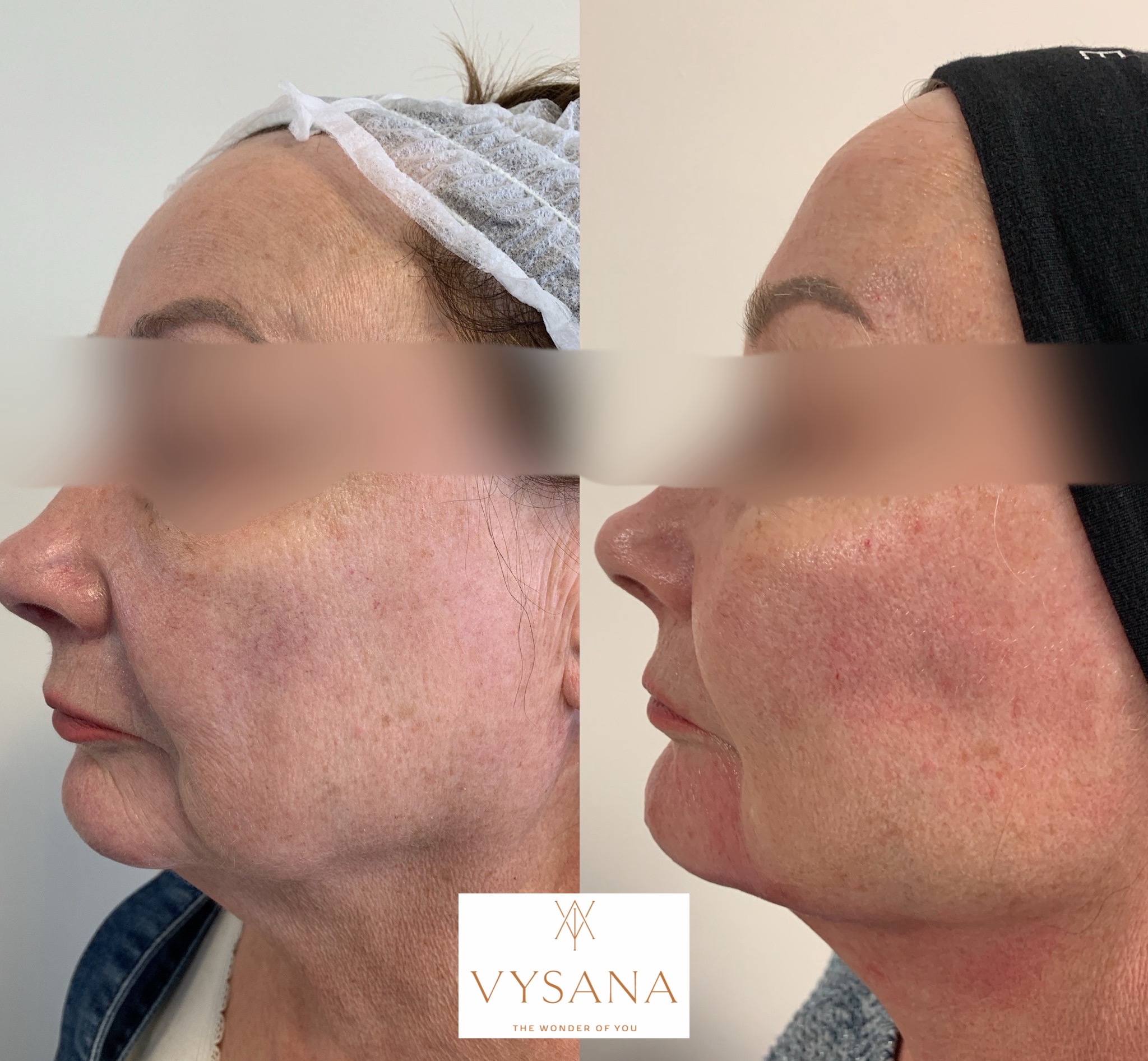
Paying attention to certain skin changes can help you catch potential issues early. Here’s what to look out for.
Suspicious Moles and ABCDE Check
Monitoring moles is essential in detecting skin cancer signs in the UK. The ABCDE check is a simple method to evaluate moles: Asymmetry, Border irregularity, Colour variation, Diameter over 6mm, and Evolving shape or size. Any changes in these areas warrant a closer look.
If you notice a mole that looks different from others, it’s prudent to seek medical advice. Early detection of suspicious moles can significantly improve treatment outcomes. A private GP in Rutland can provide thorough skin assessments and guidance on next steps.
Non-Healing Lesions and Rashes
Non-healing lesions or persistent rashes could signal underlying skin conditions. Lesions that won’t heal or frequently bleed might indicate skin cancer, while rashes could suggest allergies or autoimmune disorders.
It’s important not to ignore these symptoms. Consulting a healthcare professional ensures accurate diagnosis and appropriate treatment. Addressing skin concerns promptly can prevent complications and promote overall skin health.
When to Consult a Private GP
Knowing when to seek medical advice is crucial for maintaining healthy skin. If you experience any of the warning signs mentioned, or have concerns about midlife skin changes, consider visiting a private GP. They offer tailored care and expertise, ensuring your skin receives the attention it deserves.
Accessing a private GP can provide quicker appointments and personalised consultations. This convenience is especially valuable for those seeking timely and effective solutions for skin concerns.
Aesthetic Treatments and Skincare Solutions

Exploring aesthetic treatments and skincare solutions can help you achieve your skin goals. Here’s what to consider.
Safe and Natural-Looking Fillers
For those seeking to restore volume and smooth out wrinkles, dermal fillers in Rutland offer a safe option. These fillers are designed to provide natural-looking results, enhancing your appearance without looking overdone. The key is to choose a practitioner who prioritises subtlety and safety.
Discussing your aesthetic goals with a doctor-led clinic ensures treatments are tailored to your needs. This approach minimises risks and enhances satisfaction with the results.
Medical-Grade Skincare Recommendations
Choosing the right skincare products can be overwhelming. Medical-grade skincare offers effective solutions backed by scientific research. These products target specific concerns like skin barrier repair, hyperpigmentation, and fine lines.
Consulting with a healthcare professional can help identify products that suit your skin type and address your unique concerns. A personalised skincare routine can make a noticeable difference in your skin’s health and appearance.
Skin Rejuvenation Options in Rutland
Rutland offers a variety of skin rejuvenation options to refresh your complexion. Treatments such as laser therapy, chemical peels, and microneedling can improve skin texture and tone. These procedures are designed to be safe and effective, providing noticeable results.
Choosing a clinic with experienced practitioners ensures treatments are performed with precision and care. The right approach can revitalise your skin and boost your confidence.
Frequently Asked Questions
What are the main causes of midlife skin changes?
Hormonal fluctuations, collagen loss, and cumulative sun damage are primary contributors to skin changes in midlife. These factors can lead to dryness, sagging, and pigmentation issues.
How can I tell if a mole is concerning?
Use the ABCDE check: Asymmetry, Border irregularity, Colour variation, Diameter over 6mm, and Evolving shape or size. Any changes should be evaluated by a healthcare professional.
What should I do about non-healing lesions or persistent rashes?
Non-healing lesions or persistent rashes may indicate underlying conditions. It’s essential to consult a healthcare professional for accurate diagnosis and appropriate treatment.
Are dermal fillers safe for natural-looking results?
Yes, when performed by experienced practitioners, dermal fillers can provide safe and natural-looking enhancements. It’s crucial to choose a doctor-led clinic for optimal results.
How can I choose the right skincare products?
Consulting with a healthcare professional can help identify medical-grade skincare products that suit your skin type and target specific concerns, ensuring effective results.