

Midlife skin changes can feel confusing and unexpected, especially as hormones like oestrogen shift during perimenopause and menopause. You might notice dry patches, new wrinkles, or stubborn breakouts that weren’t there before. Knowing what’s normal—and when a change needs a doctor’s attention—can make all the difference. At Vysana Clinic, Dr Sunny Dhesi offers expert, integrated care that looks beyond skin-deep to support your health and confidence through these changes. For more information on skin care and ageing, visit this link.
Common Midlife Skin Changes
Navigating the changes in your skin during midlife can be challenging, especially with the hormonal shifts of perimenopause and menopause.
Perimenopause and Menopause Skin
During this phase, your skin may become dry or itchy. Hormonal changes, like decreased oestrogen, lead to less oil production, affecting your skin’s moisture. This can result in dry skin in menopause, along with hormonal acne in adults. To combat dryness, consider using a gentle cleanser and a rich moisturiser. If breakouts occur, look for non-comedogenic products that won’t clog pores.
Collagen Loss and Ageing
With age, collagen production decreases, leading to sagging skin and loss of firmness. Collagen loss and ageing often go hand in hand. You may notice your skin isn’t as plump as it once was. Incorporating products with ingredients like retinoids can stimulate collagen production, helping to maintain elasticity. Additionally, a diet rich in antioxidants can support skin health from the inside.
Fine Lines and Wrinkles
Fine lines and wrinkles become more noticeable during midlife. These are often a result of sun exposure and reduced collagen. Protecting your skin with SPF 50 daily sunscreen is crucial. It shields your skin from harmful UV rays, preventing further damage. Regular use of sunscreen can significantly reduce the appearance of these lines over time.
Red Flags Needing Medical Assessment
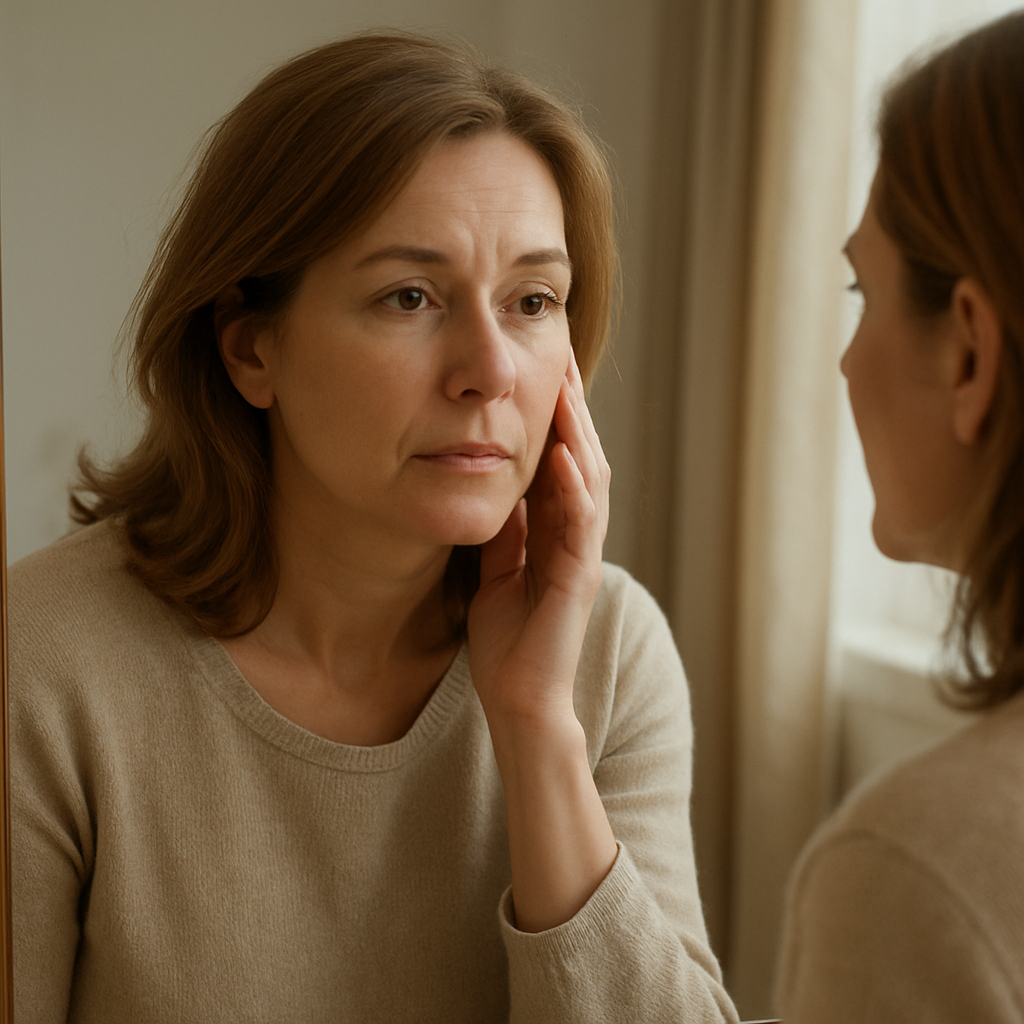
While many skin changes are normal during midlife, some require medical attention. Knowing when to consult a professional can prevent more serious issues.
Changing Mole ABCDE
Moles can change over time, but certain changes are concerning. Use the ABCDE guide: Asymmetry, Border irregularities, Colour changes, Diameter larger than 6mm, and Evolving size, shape or colour. If you notice any of these signs, it’s essential to get a skin cancer check in the UK. Early detection can significantly improve outcomes.
Actinic Keratosis Signs
Actinic keratosis appears as rough, scaly patches on sun-exposed areas. These are precancerous and need prompt attention. A dermatologist can assess and treat these spots to prevent them from developing into skin cancer. For more details, visit this resource.
Eczema and Psoriasis Flare-Ups
Eczema and psoriasis can worsen with hormonal changes. These conditions cause red, itchy patches that can be uncomfortable. Managing stress and using prescribed topical treatments can help control flare-ups. If symptoms persist, seeing a dermatologist is advisable.
Seeking Professional Help
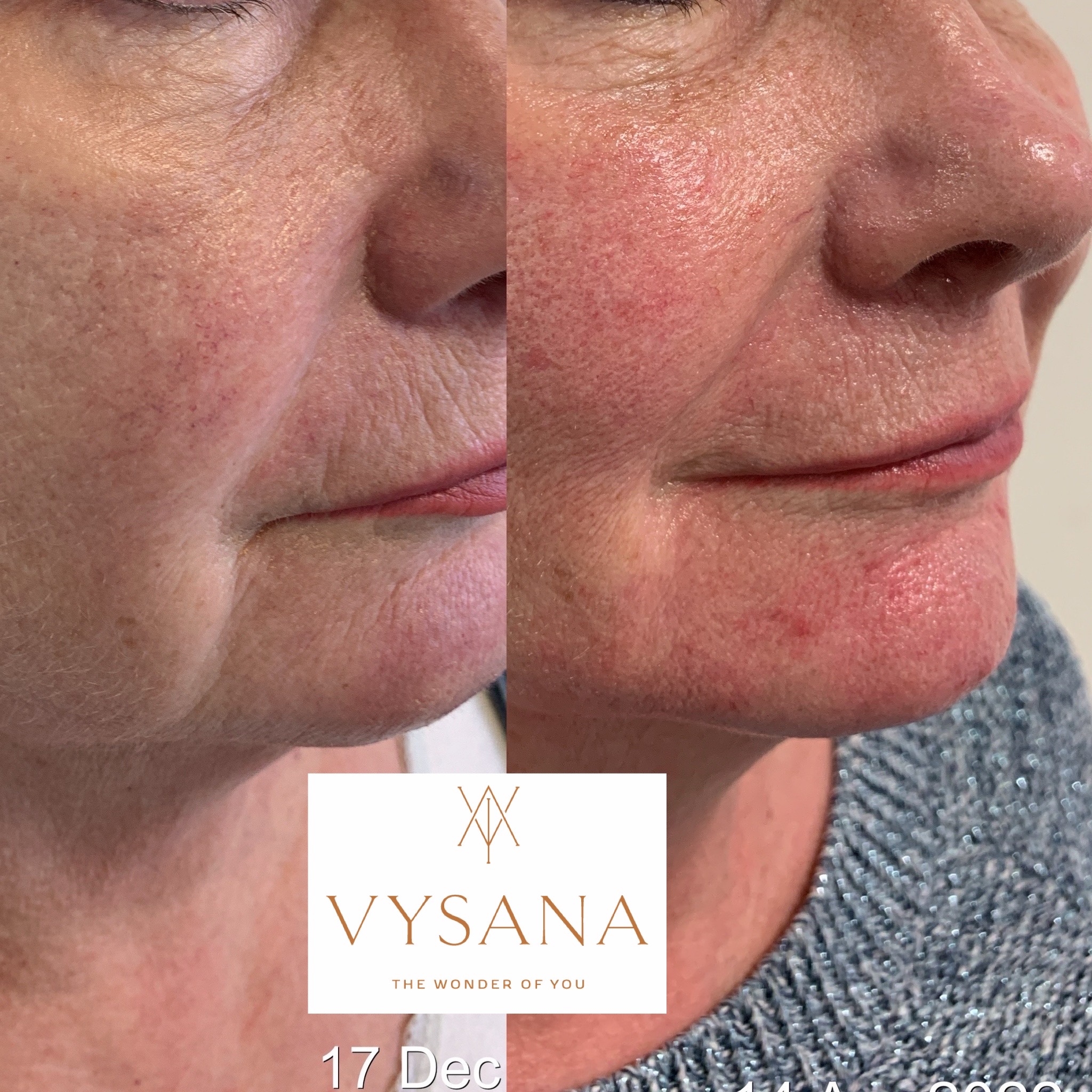
Professional guidance can be invaluable when dealing with skin changes. At Vysana Clinic, comprehensive care is offered to address your concerns.
Doctor-Led Aesthetic Consultations
Aesthetic consultations led by a doctor ensure treatments are safe and effective. Dr Sunny Dhesi provides expert advice on procedures like dermal fillers, ensuring natural results. This doctor-led aesthetics approach means you’re in safe hands, getting treatments that align with your skin’s needs.
Benefits of Private GP Access in Rutland
Having access to a private GP in Rutland offers many advantages. It removes the long wait times often experienced in public healthcare. You can discuss both medical and aesthetic concerns in a comfortable setting. This convenience allows for a more personalised approach to your health and wellbeing.
Personalised Skincare Plans at Vysana Clinic
Skincare isn’t one-size-fits-all. At Vysana Clinic, personalised skincare plans are developed to suit your unique needs. These plans consider your skin type, hormonal changes, and lifestyle factors. By tailoring care, you can achieve healthier, more radiant skin.
Frequently Asked Questions
What are the common skin changes during menopause?
During menopause, your skin may become drier, more sensitive, and prone to wrinkles and sagging due to hormonal changes like decreased oestrogen.
How can I prevent wrinkles and fine lines as I age?
To prevent wrinkles, use a daily SPF 50 sunscreen, incorporate retinoids into your skincare, and maintain a healthy diet rich in antioxidants.
When should I see a doctor about a skin change?
If you notice changes in moles or have persistent skin conditions like eczema or psoriasis, consult a doctor for evaluation and treatment.
What are the benefits of seeing a private GP?
Seeing a private GP offers shorter wait times, personalised care, and the ability to discuss both medical and aesthetic concerns in a relaxed setting.
How does Vysana Clinic create personalised skincare plans?
Vysana Clinic personalises skincare plans by assessing your skin type, hormonal changes, and lifestyle, ensuring treatments and products suit your unique needs.
For more information on when to see a dermatologist, visit this link.