

Midlife skin changes can feel like an unwelcome mystery. Your complexion might be drier, blotchier, or showing fine lines you didn’t expect. These shifts aren’t random—they reflect how hormones like oestrogen, progesterone and testosterone, along with stress and sleep, reshape your skin’s health. At Vysana, we connect these dots with a doctor-led approach that goes beyond quick fixes to create a personalised plan just for you. For more insight, visit our blog on midlife skin changes.
Hormones and Midlife Skin
Hormones play a crucial role in how your skin changes during midlife. Understanding their impact helps in addressing issues effectively.
Oestrogen and Collagen Loss
Oestrogen is vital for maintaining skin elasticity and thickness. As levels decline during menopause, skin can become thinner and less resilient. This loss of collagen might lead you to notice more fine lines and sagging. Simple steps can help support your skin, like using products with retinoids or peptides to stimulate collagen production. Incorporating a diet rich in antioxidants such as berries can also support skin health. For more on the impact of hormones, read this article.
Progesterone and Acne
Progesterone can influence oil production in your skin. Fluctuations may lead to unexpected acne outbreaks, even if you’ve never had acne before. To manage this, consider a gentle cleanser to avoid stripping the skin. Adding a salicylic acid treatment can help keep pores clear. Remember, hydration is key. Drinking plenty of water supports your skin’s health from the inside out.
Testosterone in Midlife Skin
Testosterone levels can also affect your skin, leading to increased oiliness or changes in hair growth. You might notice more facial hair or a change in skin texture. Balancing your skincare with non-comedogenic products can prevent clogged pores. For those concerned with hair growth, professional treatments like laser hair removal offer a solution.
Stress, Sleep, and Skin Health
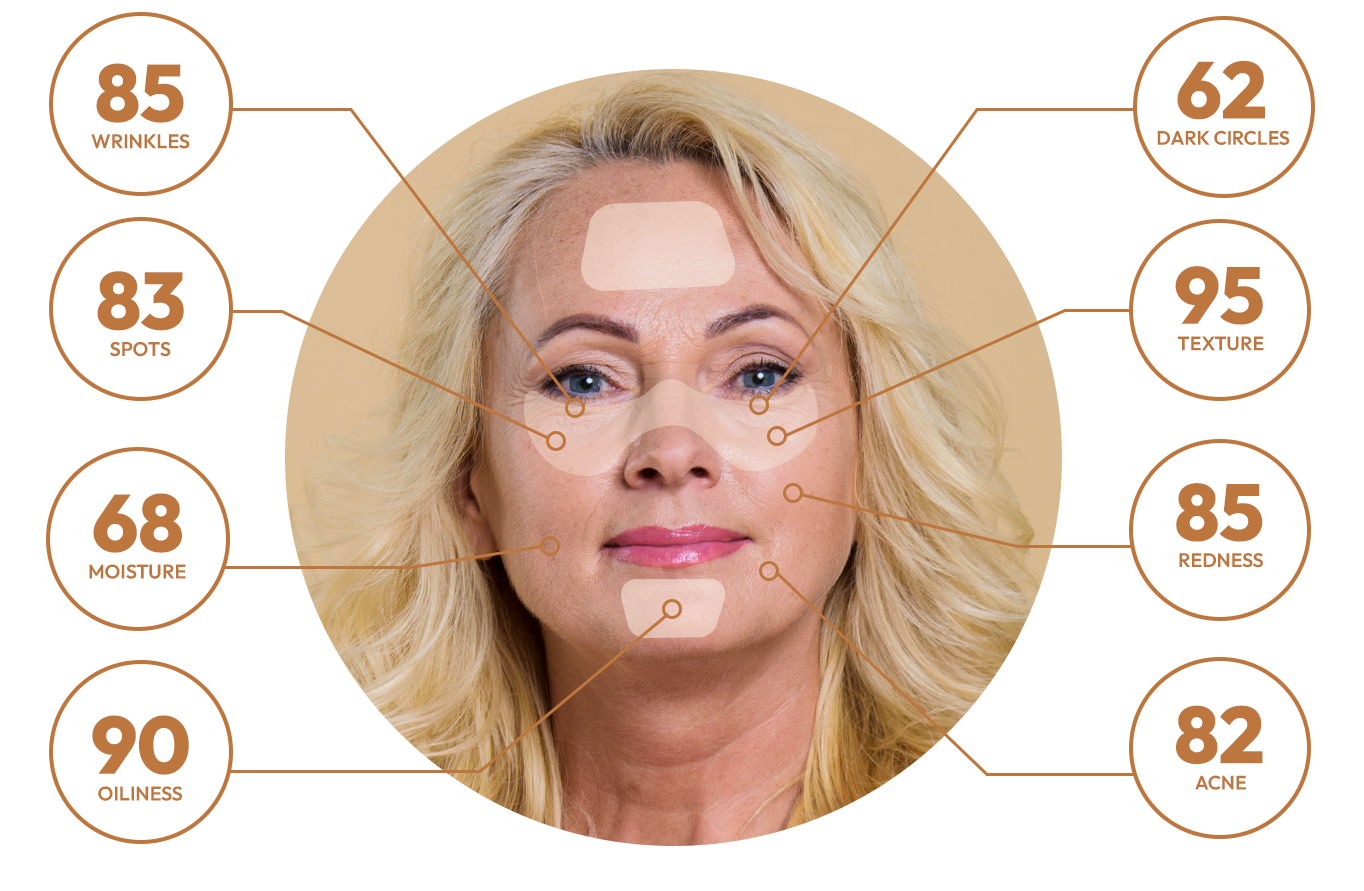
Stress and sleep are significant factors in skin health, often overlooked but easily manageable.
Cortisol and Skin Barrier
When stress levels rise, so does cortisol, which can compromise your skin’s barrier. This can lead to dryness and irritation. Managing stress through mindfulness or exercise helps maintain cortisol levels. It’s beneficial to use a barrier-strengthening moisturiser rich in ceramides to support the skin’s natural defences. For deeper insights, explore this resource.
Sleep and Skin Repair
Sleep is a vital time for skin repair. Without adequate rest, your skin may appear dull or develop more lines. Ensure you get enough sleep by creating a calming bedtime routine. Products containing hyaluronic acid can support skin hydration overnight. For further reading on sleep’s impact on skin, check out this article.
Circadian Rhythm Skin Impact
Your body’s natural clock, the circadian rhythm, influences skin function. Aligning your skincare with your body’s rhythm can enhance its effectiveness. Consider using actives like retinol at night when repair processes peak. Daytime is ideal for antioxidants to combat environmental stressors.
Addressing Midlife Skin Concerns
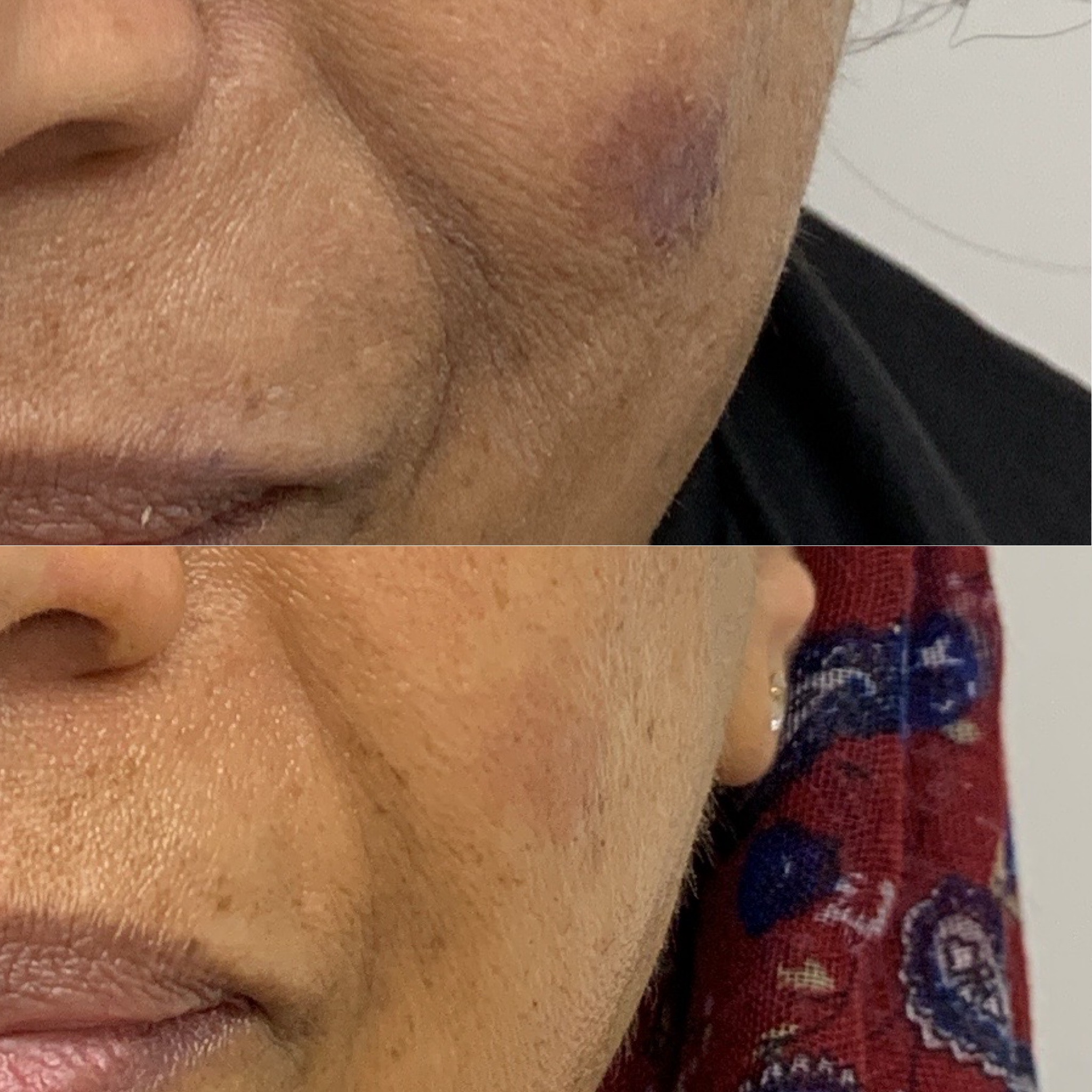
Now that we’ve explored the causes, let’s look at how to address common midlife skin issues effectively.
Dryness and Transepidermal Water Loss
As your skin ages, it tends to lose moisture more easily. This process is called transepidermal water loss. To combat dryness, incorporate a rich moisturiser with humectants like glycerin or hyaluronic acid. Adding a humidifier to your environment can also help maintain skin moisture levels.
Rosacea, Stress, and Redness
Rosacea can flare up due to stress, leading to redness and irritation. Identifying triggers and using gentle skincare products can help manage symptoms. Look for ingredients like niacinamide to soothe and reduce inflammation. Discover more about stress and skin health in this blog.
Melasma and Pigmentation Changes
Hormonal shifts can lead to melasma, a condition causing dark patches on the skin. Sun protection is crucial—use a high SPF sunscreen daily. Treatments like chemical peels or topical hydroquinone can help lighten pigmentation. Consulting with a skincare professional can provide you with a tailored plan for managing these changes.
Understanding and addressing these skin changes can significantly improve your skin’s health and appearance during midlife. If you’re seeking expert guidance, Vysana offers a comprehensive approach to skincare, combining medical insights with aesthetic treatments. Visit us to explore how we can support your skin’s journey.