

Midlife skin changes more than you might expect. Shifts in hormones like oestrogen, progesterone and testosterone, combined with stress and restless nights, show up as dryness, breakouts and stubborn pigmentation. Understanding how these factors affect your skin unlocks practical steps to restore its health and glow. Let’s break down the science behind perimenopause skin changes and what you can do to respond confidently.
Understanding Midlife Skin Changes
Let’s explore the factors behind these skin changes, starting with hormones. These chemical messengers play a pivotal role in skin health.
Hormones and Their Impact
Hormonal shifts are often at the core of midlife skin changes. Oestrogen, progesterone, and testosterone each have a unique impact on your skin’s appearance and health. When oestrogen levels drop, your skin may lose its plumpness and elasticity. This can lead to increased dryness and fine lines. Progesterone, on the other hand, influences oil production. High levels might cause breakouts, while low levels can contribute to dryness. Lastly, testosterone, although present in smaller amounts in women, can lead to increased oiliness and breakouts when its balance is disrupted.
These hormonal imbalances often coincide with perimenopause. During this phase, you might notice more pronounced changes in skin texture and appearance. Understanding these hormonal changes allows you to choose skincare that supports your skin’s needs during this time.
Stress and Skin Ageing
Stress is another factor that can significantly impact your skin’s health. When you’re stressed, your body produces more cortisol, a hormone that can accelerate skin ageing. Cortisol breaks down collagen, the protein responsible for keeping your skin firm and smooth. This can lead to wrinkles and sagging. Stress can also cause inflammation, leading to conditions like acne and psoriasis.
Moreover, stress often disrupts healthy habits, such as maintaining a balanced diet and staying hydrated. Both of these are crucial for maintaining healthy skin. Addressing stress in your life can help mitigate these effects and support healthier skin.
The Role of Sleep in Skin Repair
Sleep is vital for your skin’s repair and rejuvenation. During deep sleep, your body increases blood flow to the skin and rebuilds collagen. However, when sleep is disrupted, these processes are hindered. Lack of sleep can lead to dark circles, a dull complexion, and increased signs of ageing.
Moreover, sleep deprivation affects the moisture levels in your skin, leaving it dry and less resilient. Ensuring you get enough quality sleep can help maintain your skin’s health and appearance. Focusing on sleep hygiene can make a significant difference in how your skin looks and feels.
Practical Steps for Healthier Skin
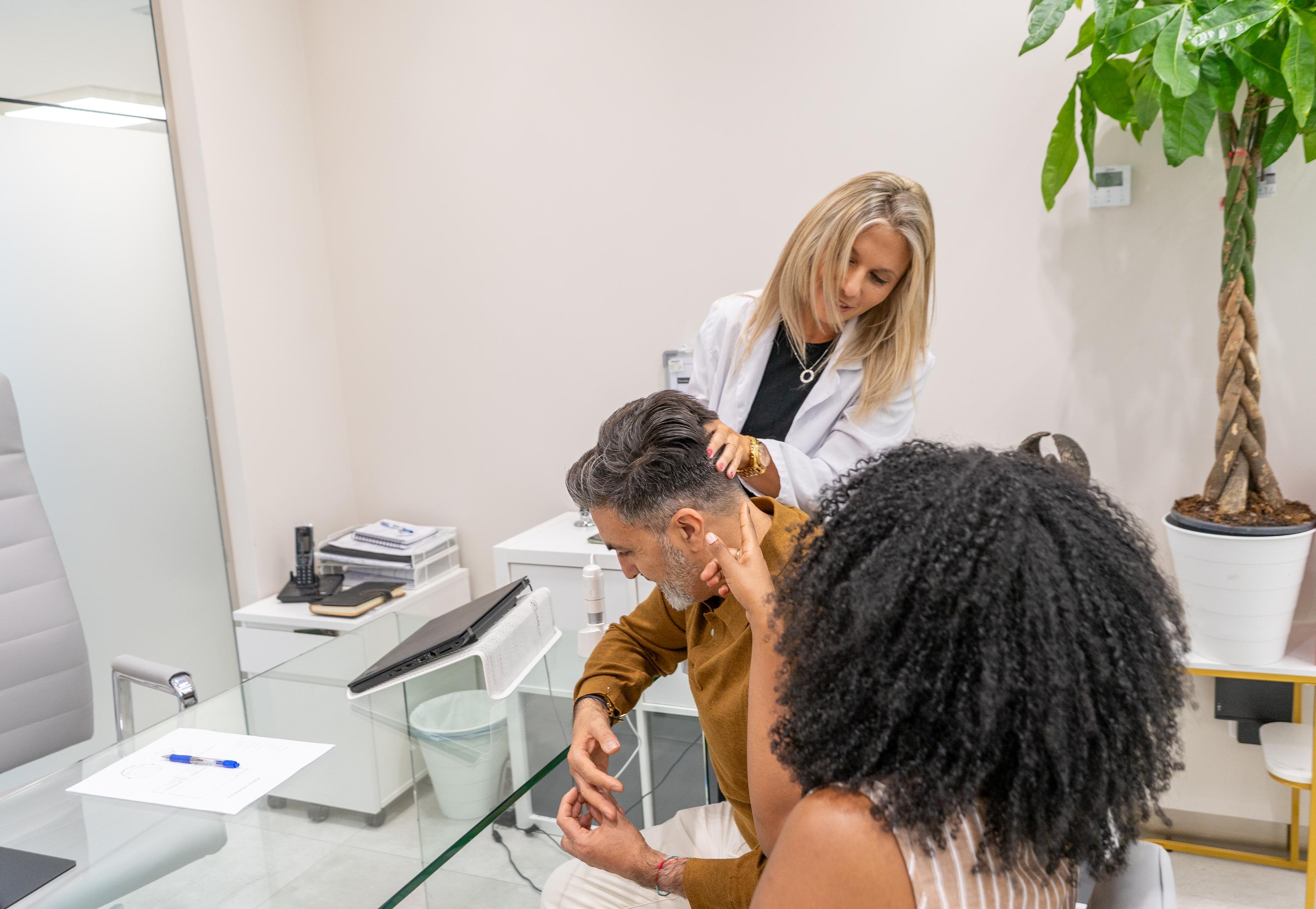
Now that you understand the causes, let’s discuss some practical steps to improve your skin’s health.
Building a Strong Skin Barrier
A strong skin barrier protects against environmental damage and locks in moisture. To strengthen it, focus on gentle cleansing and hydration. Use a non-stripping cleanser to avoid removing essential oils. Follow up with a moisturiser rich in ceramides and hyaluronic acid to seal in moisture and repair the barrier.
Incorporate products with antioxidants to combat free radicals and environmental stressors. A consistent skincare routine focusing on barrier repair will leave your skin feeling healthier and more resilient.
The Power of Targeted Actives
Targeted actives can address specific skin concerns effectively. Retinoids, for instance, are powerful for reducing fine lines and improving skin texture. Niacinamide can help with pigmentation and improve skin elasticity. Vitamin C is excellent for brightening and protecting against environmental damage.
Using targeted skincare actives ensures that you’re addressing the unique needs of your skin during midlife. It’s important to introduce these actives gradually to avoid irritation and maximize their benefits.
Embracing Nutrition and Sleep Hygiene
Nutrition and sleep are foundational for skin health. A balanced diet rich in vitamins and minerals supports skin vitality. Omega-3 fatty acids, found in foods like salmon and walnuts, are particularly beneficial for maintaining skin hydration and elasticity.
Establishing a regular sleep routine is equally important. Aim for 7-9 hours of uninterrupted sleep each night. This helps your body carry out essential repair processes, ensuring your skin looks refreshed and revitalised.
Doctor-Led Aesthetics at Vysana

For those seeking advanced solutions, Vysana offers expert-led aesthetic treatments tailored to your needs.
Medical-Grade Skincare Options
At Vysana, medical-grade skincare products are selected for their efficacy and safety. These products contain higher concentrations of active ingredients compared to over-the-counter options. They are designed to target specific skin concerns such as ageing, pigmentation, and blemishes.
Under the guidance of Dr. Sunny Dhesi, you can explore products that support your unique skin needs, ensuring optimal results without compromising safety.
Treatments That Age Well
When considering aesthetic treatments, it’s important to choose options that age gracefully with you. At Vysana, treatments such as microneedling and skin boosters are offered to enhance skin texture and firmness. These treatments promote collagen production, leading to natural, long-lasting improvements.
By focusing on treatments that complement your natural appearance, Vysana helps you achieve a refreshed look without drastic changes.
Creating a Personalised Skin Plan
A personalised skin plan is essential for addressing your unique concerns. Vysana’s comprehensive approach considers your skin type, lifestyle, and goals. Dr. Sunny Dhesi works with you to develop a plan that supports your skin health now and in the future.
Through regular assessments and adjustments, your skin plan evolves with you, ensuring it meets your changing needs over time.
Frequently Asked Questions
How do hormones affect skin during menopause?
Hormones like oestrogen impact skin elasticity and hydration. During menopause, decreasing hormone levels can lead to drier and thinner skin, accentuating fine lines and wrinkles.
What is cortisol, and how does it affect the skin?
Cortisol is a stress hormone that can break down collagen in the skin, leading to increased signs of ageing. High cortisol levels can also trigger acne and inflammation.
Why is sleep important for skin health?
Sleep allows the skin to repair and regenerate. During sleep, blood flow to the skin increases, and collagen production is boosted, helping to reduce signs of ageing and maintain a healthy glow.
What are the benefits of medical-grade skincare?
Medical-grade skincare products contain higher concentrations of active ingredients, offering more effective results for concerns like ageing and pigmentation. They are formulated to penetrate deeper into the skin for maximum benefit.
How can a personalised skin plan benefit me?
A personalised skin plan tailored to your skin type and needs ensures you’re using the most effective treatments. It adapts to changes over time, providing ongoing support for your skin health and appearance.