

Midlife skin changes often feel like a mystery—fine lines, dryness, or breakouts appear without clear reasons. Shifts in hormones, stress levels, and sleep patterns all play a role in how your skin ages during perimenopause and menopause. At Vysana Clinic, we combine deep medical insight with personalised care to help you understand these changes and create a plan that supports your skin’s health now and over time. Read more about these changes and how to improve your skin.
Hormonal Changes and Skin Impact
As we navigate midlife, hormones play a pivotal role in skin changes. Understanding these shifts can guide you to effective solutions.
Understanding Oestrogen and Collagen
Oestrogen is essential for skin’s youthful appearance. It boosts collagen production, keeping your skin firm and elastic. As oestrogen levels decline with age, collagen production slows, leading to visible signs of ageing like wrinkles and sagging. This process is natural, but knowing it allows you to address skin concerns proactively. By maintaining healthy oestrogen levels, you can support collagen, which helps your skin stay firm and youthful longer.
Perimenopause Skin Changes Explained
During perimenopause, fluctuating hormones can cause skin to feel different. You may notice dryness, increased sensitivity, or unexpected breakouts. These changes are common as your body’s oestrogen decreases, affecting moisture retention and elasticity. It’s crucial to adapt your skincare routine to these needs. Gentle cleansers, richer moisturisers, and sun protection become essential. Embracing these adjustments helps maintain skin health and glow through this phase.
HRT and Skin Benefits
Hormone Replacement Therapy (HRT) offers benefits beyond easing menopause symptoms. It can positively impact your skin. By stabilising oestrogen levels, HRT can improve skin thickness, hydration, and elasticity. Many women find that HRT helps reduce wrinkles and maintain a vibrant complexion. It’s important to discuss with your doctor to see if HRT aligns with your overall health goals. When used appropriately, it can be a valuable tool in managing midlife skin changes.
Stress and Its Influence on Skin
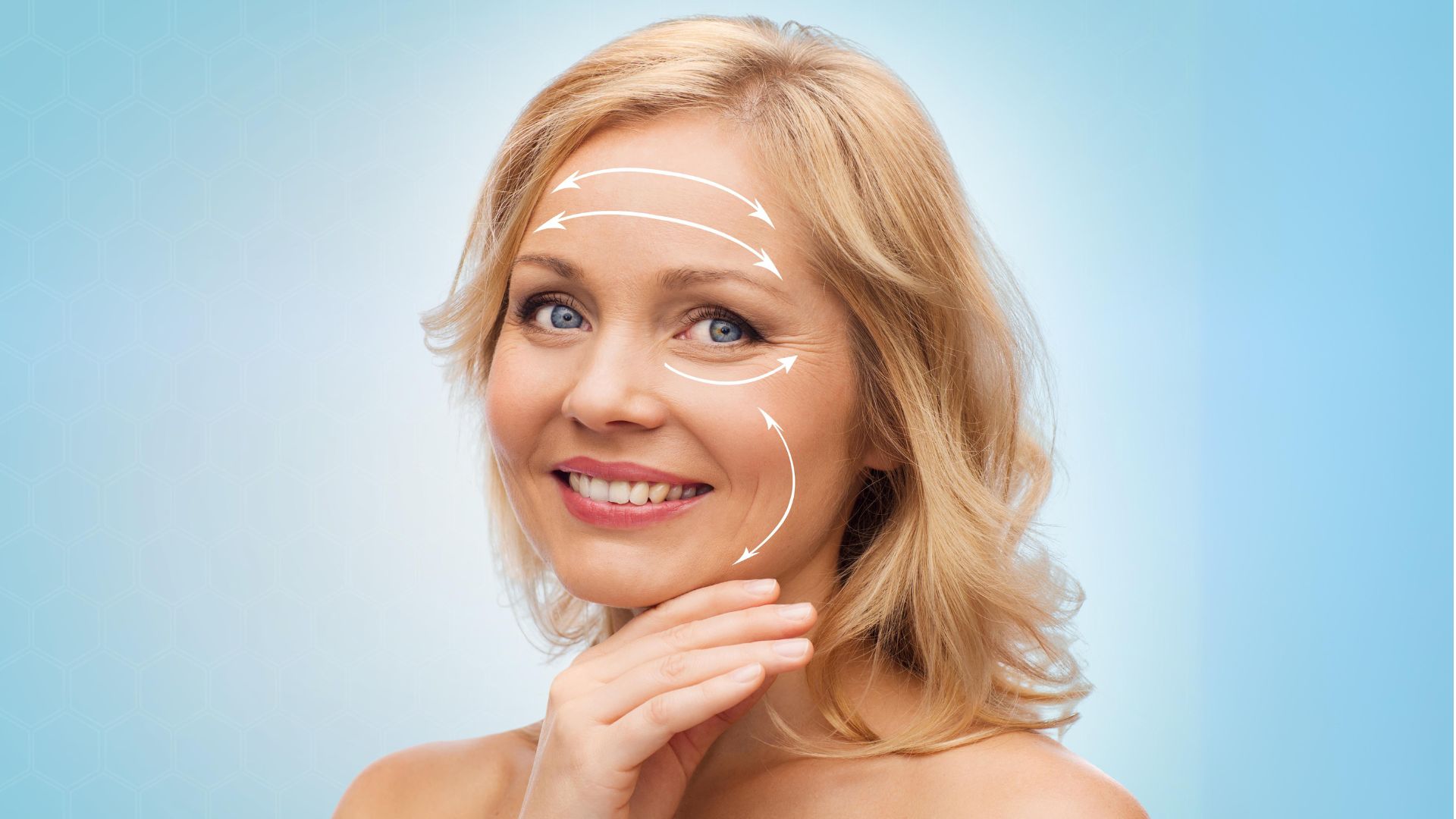
Stress can significantly impact your skin’s health and appearance. Let’s explore how stress manifests in your skin and how to combat it.
Cortisol and Skin Health
Stress increases cortisol, a hormone that can wreak havoc on your skin. High cortisol levels lead to excess oil production, which can cause acne and other skin issues. Cortisol also breaks down collagen, accelerating ageing. To combat these effects, stress management is key. Incorporate relaxation techniques like meditation or yoga into your daily routine. These practices can help lower cortisol levels, promoting healthier skin.
Stress-Related Acne Solutions
Stress-related acne can be frustrating, but there are solutions. Start by maintaining a consistent skincare routine. Use products with salicylic acid or benzoyl peroxide to manage breakouts. Consider consulting a dermatologist for tailored advice. Additionally, focus on stress-reduction strategies to prevent flare-ups. Regular exercise and healthy eating can improve overall skin health, helping to reduce stress-induced acne over time.
Skin Barrier Support Strategies
Your skin barrier shields you from environmental damage and helps retain moisture. Stress can weaken this barrier, making skin vulnerable to irritation and dehydration. To support it, use moisturisers with ceramides and hyaluronic acid. These ingredients help repair and strengthen your skin’s natural protective layer. Avoid harsh scrubs and over-exfoliation, which can further compromise the barrier. A healthy barrier is fundamental for resilient, glowing skin.
Sleep and Skin Repair
Quality sleep is crucial for skin repair and regeneration. Let’s delve into how sleep affects your skin and ways to optimise it.
Importance of Melatonin for Skin
Melatonin, a hormone released during sleep, is a powerful antioxidant for your skin. It aids in repairing daily damage and enhances skin renewal. Lack of sleep reduces melatonin levels, affecting skin health. Ensure you get 7-9 hours of sleep each night to maximise melatonin’s benefits. Consider a bedtime routine that promotes restful sleep, such as limiting screen time and creating a calm environment.
Glycation and Skin Ageing
Poor sleep can lead to glycation, a process where sugar molecules damage collagen and elastin. This results in wrinkles and loss of skin firmness. To combat glycation, focus on a balanced diet low in sugar and refined carbs. Adequate sleep is equally important, as it reduces the stress that contributes to glycation. Protect your skin from within by supporting healthy lifestyle habits.
Sleep Consultation at Vysana Clinic
At Vysana Clinic, we recognise the importance of sleep for skin health. Our experts offer personalised consultations to assess your sleep patterns and address any issues. By understanding your unique needs, we can help optimise your sleep, enhancing your skin’s natural repair processes. Investing in your sleep not only benefits your skin but also improves overall well-being.