

Midlife Skin Myths, Debunked: A Doctor’s Guide to Ageing Well
Forget everything you think you know about midlife skin myths. Many ideas about menopause skin changes and ageing skin in the UK are based on half-truths or outdated science. At Vysana Clinic, Dr Sunny Dhesi breaks down these misconceptions with clear, doctor-led advice so you can make informed choices for your skin’s health and natural look. Ready to separate fact from fiction? Learn more about the myths here.
Common Midlife Skin Myths
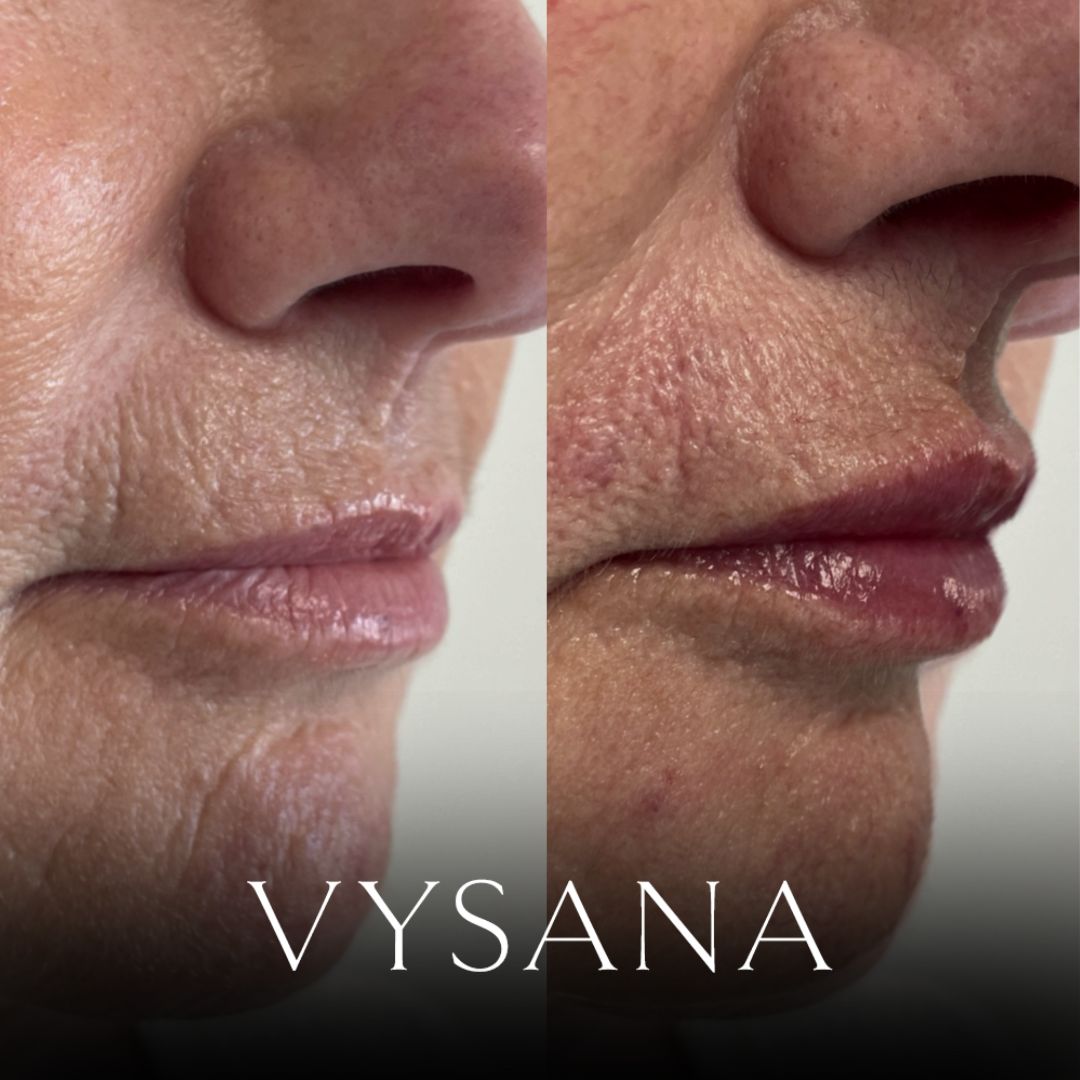
Midlife skin myths can be confusing. They often stem from outdated science or misconceptions. Let’s dive into some of these myths and uncover the truths behind them.
Myth: Retinoids vs Retinol
Retinoids and retinol are often confused, leading to misunderstandings about their use. Retinoids are stronger and usually prescribed, while retinol is available over the counter and milder. Both are derived from Vitamin A and can help reduce fine lines and promote cell turnover. However, because they work differently, their effects vary. Retinoids penetrate deeper into the skin, offering more dramatic results, but also come with a higher risk of irritation.
If you’re new to these products, start with retinol. It’s gentler and less likely to cause irritation. As your skin adjusts, you may consider retinoids under guidance from a professional. Remember, patience is key: it can take months to see results. Discover more about anti-ageing myths here.
Myth: SPF Daily Sunscreen Necessity
You’ve probably heard that daily sunscreen is only necessary on sunny days. This myth can harm your skin long-term. UV rays can penetrate clouds and windows, affecting your skin even on cloudy days. Daily sunscreen helps protect against premature ageing and skin cancer. It’s not just about sunny holidays; it’s a daily commitment to your skin’s health.
A broad-spectrum sunscreen with at least SPF 30 is recommended for daily use. Apply it as the last step in your morning routine, even if you’re indoors most of the day. Think of it as a shield, protecting you from unseen harm. Learn further about common misconceptions about ageing skin.
Myth: Collagen Loss Prevention
Collagen loss is a natural part of ageing, but the idea that it can be entirely prevented is misleading. While you can’t stop collagen loss, you can slow it down. Factors like sun exposure and smoking accelerate collagen breakdown. Retinol, Vitamin C, and peptides in your skincare routine can support collagen production.
Lifestyle changes also play a role. A balanced diet, rich in antioxidants and healthy fats, supports skin health from the inside out. Regular exercise improves circulation, nourishing your skin. So, while collagen loss is inevitable, you have the power to manage its impact. Uncover more anti-aging myths here.
Skincare During Menopause

Menopause brings unique skin challenges. Understanding these changes is key to maintaining healthy skin during this phase.
Understanding Menopause Skin Changes
The hormonal shifts during menopause can lead to dryness, thinning, and increased sensitivity. These changes may seem sudden, but they’re a natural part of ageing. As oestrogen levels drop, collagen production decreases, and skin loses elasticity. You might notice your skin is less plump and more prone to wrinkles.
The key is adapting your skincare routine. Focus on hydration and gentle products. Look for creams and serums that boost moisture and strengthen the skin barrier. Menopause is a time to embrace change and adjust your routine to support your skin’s evolving needs.
Perimenopause Skincare Essentials
Perimenopause is the transition phase before menopause, often lasting several years. During this time, skin can become unpredictable. You may notice fluctuations in oil production and occasional breakouts. Consistency is crucial: keep your routine simple and effective.
Incorporate a gentle cleanser, hydrating serum, and a rich moisturiser. Don’t forget sunscreen. Your skin might also benefit from occasional exfoliation to remove dead skin cells. The goal is to maintain balance and prevent irritation. Find more information on hydration myths and tips.
HRT and Skin Health
Hormone Replacement Therapy (HRT) can be a game-changer for some women. It helps restore oestrogen levels, which can improve skin thickness and moisture. However, HRT isn’t for everyone. It’s important to discuss the benefits and risks with your doctor.
HRT may alleviate some skin issues, but it isn’t a standalone solution. Pair it with a tailored skincare routine for the best results. Your skin’s needs are unique, and so should be your approach. Consult with a healthcare professional to find what’s right for you.
Personalised Skincare Solutions
When it comes to skincare, one size doesn’t fit all. Personalised solutions can address your skin’s unique needs, especially during midlife.
Medical-Grade Skincare Explained
Medical-grade skincare products are formulated with higher concentrations of active ingredients. They’re designed to target specific concerns like wrinkles, hyperpigmentation, and acne. These products are often backed by scientific research and only available through healthcare providers.
The benefits of medical-grade skincare include improved efficacy and faster results. If you’re considering these products, consult with a professional to determine the best options for your skin type. Remember, quality matters; choose products that are clinically tested and dermatologist-approved.
Skin Barrier Repair Techniques
A healthy skin barrier is essential for maintaining moisture and protecting against irritants. If your skin feels dry or irritated, your barrier might be compromised. Repairing it requires a gentle approach.
Look for products with ceramides, hyaluronic acid, and niacinamide. These ingredients help restore and strengthen the barrier. Avoid over-exfoliating and using harsh cleansers. By nurturing your skin, you can improve its resilience and appearance.
Addressing Pigmentation and Melasma
Pigmentation issues like melasma can be challenging to treat. They often require a combination approach, including topical treatments and lifestyle changes. Ingredients like hydroquinone, azelaic acid, and kojic acid can lighten dark spots over time.
Sun protection is crucial. UV exposure exacerbates pigmentation, so daily sunscreen is non-negotiable. Consider seeking professional treatments like chemical peels or laser therapy for stubborn spots. The goal is to reduce pigmentation while maintaining healthy, glowing skin.
By understanding these myths and solutions, you can make informed decisions about your skincare routine. Your skin is unique, and so should be your approach to caring for it. If you’re interested in learning more about how Vysana Clinic can support your skin health journey, consider scheduling a consultation.