

Midlife Skin, Strong Barrier: Doctor‑Led Ways to Repair and Protect
Midlife brings changes your skin feels first, especially when your skin barrier weakens. You might notice dryness, irritation, or sensitivity that never bothered you before. Understanding why perimenopause and menopause affect your skin barrier—and what to do next—can stop trans-epidermal water loss and restore balance. At Vysana Clinic, Dr Sunny Dhesi’s doctor-led, 4D approach combines medical insight with tailored skincare to protect and repair your skin naturally. Read more about supporting a weakened skin barrier in midlife.
Recognising a Weakened Skin Barrier

You might wonder if your skin’s barrier is struggling. It’s common during midlife, and recognising the signs can help. Let’s explore the symptoms, causes, and what this might mean for you.
Symptoms of Midlife Skin Changes
Have you noticed your skin feels different lately? Maybe it’s drier or more sensitive than before. These changes can happen as you hit midlife. Your skin might feel tight, and you could experience more irritation. This is because the protective barrier that keeps moisture in is compromised. It’s not just dryness; you might find your skin gets red or itchy easily. Small bumps or flakiness might appear. These symptoms show that your skin needs extra care now.
Many people think these changes are just a part of ageing, but there’s more to it. It’s not just about getting older. Your skin reflects internal changes, like those happening during perimenopause or menopause. Understanding these symptoms is the first step in caring for your skin effectively. Learn more about midlife skin changes here.
Causes of Perimenopause Skin Issues
Perimenopause brings hormonal shifts that impact your skin. As oestrogen levels drop, your skin loses some of its natural plumpness and elasticity. This hormonal change can lead to a weaker skin barrier. When your barrier is compromised, it struggles to retain moisture and protect against irritants. This can make your skin feel more sensitive or dry.
Lifestyle factors can also play a role. Stress, diet, and even pollution can affect your skin’s health. It’s not just about the natural ageing process. Your environment and daily habits are intertwined with how your skin behaves. Recognising these causes can help you make informed choices for your skincare routine. Read about repairing a weak skin barrier after 40.
Identifying Trans-Epidermal Water Loss (TEWL)
Trans-epidermal water loss (TEWL) is a key factor in skin hydration. If your skin barrier is weak, you might experience more TEWL. This means water escapes from your skin more easily, leaving it dry and vulnerable. TEWL isn’t visible, but its effects are. Your skin might feel tight or look dull. It can also exacerbate other skin issues, like flakiness or itchiness.
Preventing TEWL is crucial for maintaining a healthy complexion. By understanding how TEWL works, you can better protect your skin. It’s about keeping moisture in and irritants out. This understanding can guide you in choosing products and treatments that support your skin’s barrier function. Learn more about damaged skin barriers and TEWL here.
Doctor-Led Barrier Repair Solutions

Knowing the problem is just the first step. Let’s dive into practical solutions. At Vysana Clinic, we offer a comprehensive approach to repair and support your skin barrier.
Vysana Clinic’s 4D Assessment Approach
Our clinic believes in a thorough understanding before treatment. Dr Sunny Dhesi’s 4D approach considers not just your skin’s current state but also its past and future. This method ensures treatments align with your long-term skin health. We assess how you look now, how you felt before, and your future goals. This comprehensive view helps create a treatment plan that supports your skin holistically.
Many clinics focus solely on the present, but we go further. We integrate medical insights with aesthetic care. This ensures you get treatments that are not only effective but also safe. Your skin deserves a plan built on understanding and expertise, not just trends. Find out more about skin care during menopause.
Essential Ingredients: Ceramides, Niacinamide, and More
Certain ingredients play a big role in repairing your skin barrier. Ceramides are crucial as they help rebuild and strengthen your skin’s protective layer. They mimic the natural lipids found in your skin, making them highly effective. Niacinamide is another powerhouse. It helps with calming inflammation and improving skin texture. This ingredient is gentle yet effective, making it perfect for sensitive skin.
Other beneficial ingredients include azelaic acid for reducing redness, and hyaluronic acid for boosting moisture. These ingredients work together to nourish and fortify your skin. Choosing products with these components can make a noticeable difference in your skin’s health.
Tailored Therapies: LED Therapy and Hydrating Peels
Beyond topical treatments, therapies like LED therapy and hydrating peels can enhance your skin’s resilience. LED therapy uses light to penetrate the skin, promoting healing and collagen production. It’s non-invasive and suitable for sensitive skin. This therapy can help reduce inflammation and boost your skin’s natural repair processes.
Hydrating peels are another excellent choice. They gently exfoliate while infusing your skin with moisture. These peels remove dead skin cells, allowing better absorption of nourishing ingredients. Tailored therapies can complement your skincare routine, offering deeper rejuvenation and support for your skin barrier.
Creating a Personalised Skincare Routine
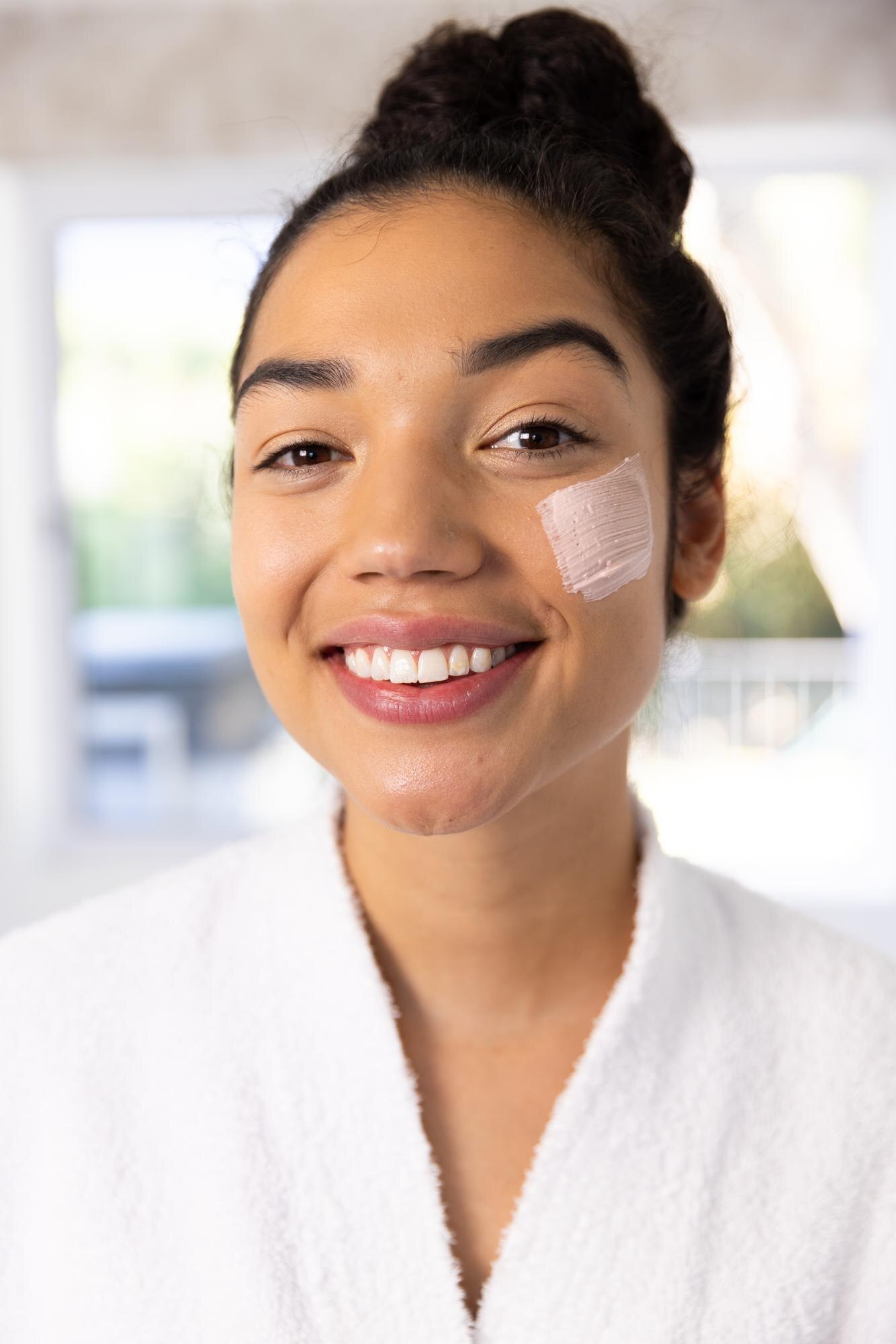
A solid skincare routine is key to maintaining a strong skin barrier. Let’s look at how you can build a routine that meets your skin’s unique needs.
Building Retinoid Tolerance and SPF Protection
Incorporating retinoids into your routine can help accelerate skin renewal and boost collagen. Start slowly to build tolerance. Use them a few times a week and gradually increase as your skin adapts. Pairing retinoids with a good SPF 50 sun protection is crucial. Sun exposure can weaken your barrier, so daily SPF is a must to protect your skin from UV damage.
Most people overlook SPF in cloudy weather, but UV rays are always present. Consistent sun protection prevents premature ageing and supports your skin barrier. It’s not just for sunny days; it’s a year-round commitment.
Addressing Hormonal Changes and Skin Health
Hormonal shifts during midlife can affect your skin significantly. Addressing these changes holistically is important. A diet rich in antioxidants and omega-3s can support your skin from the inside out. Consider supplements that target these hormonal impacts.
Your skincare should also adapt. Choose products designed for hormonal skin changes, focusing on hydration and repair. Regular consultations with a specialist can help fine-tune your regimen to match your skin’s evolving needs.
Ongoing Support and Reviews with Dr Sunny Dhesi
Regular check-ins with a professional ensure your skincare routine continues to meet your needs. At Vysana Clinic, Dr Sunny Dhesi offers personalised reviews and support. This ensures your plan evolves with you, adapting to changes in your skin and lifestyle.
Your skin’s needs may shift over time, and having expert guidance can make all the difference. You’re not just getting a treatment; you’re receiving ongoing care and adjustments to keep your skin healthy and resilient.
In conclusion, understanding and supporting your skin barrier can transform your skin health during midlife. By recognising the signs and seeking doctor-led care, you can nurture your skin back to its best. Embrace these insights, and let Vysana Clinic guide you on this journey to stronger, healthier skin.