

When autumn arrives, many notice their skin turning sensitive, red, or dry. Reactive skin in autumn is common but often misunderstood, especially as central heating and chilly winds take their toll. At Vysana Clinic, we help you identify the signs early and provide a personalised plan focused on skin barrier repair and gentle care. Read on to learn how to manage autumn skincare in the UK with expert guidance from Dr Sunny Dhesi. Read more here.
Causes of Reactive Skin in Autumn
Understanding why your skin reacts in autumn helps you manage it better. Let’s explore the factors that contribute to this seasonal change and how they affect your skin.
Central Heating Skin Dryness
As temperatures drop, central heating becomes a necessity in many homes. This can lead to skin dryness. The warm air from heaters lacks moisture, resulting in drier indoor air. Your skin loses water in these conditions, leading to a tight, uncomfortable sensation. To combat this, consider using a humidifier to add moisture back into the air, or apply a ceramide-rich moisturiser to help lock in hydration.
Windburn and Redness Explained
Autumn winds may feel refreshing, but they can wreak havoc on your skin. Windburn is a condition where your skin becomes red and irritated due to prolonged exposure to wind. This happens because the wind strips away your skin’s natural oils, leaving it vulnerable and inflamed. Protecting your face with a scarf or applying a barrier-friendly cleanser can help shield your skin from these harsh elements.
Rosacea Flare in Autumn
Rosacea sufferers often experience flare-ups in autumn. The shift from cold outdoor air to warm indoor environments can trigger rosacea symptoms like redness and bumps. To manage this, it’s important to maintain a consistent skincare routine that includes gentle cleansing and products designed for sensitive skin. Consulting with a professional, like those at Vysana Clinic, can provide you with a personalised plan to keep rosacea at bay.
Recognising Signs of Reactive Skin
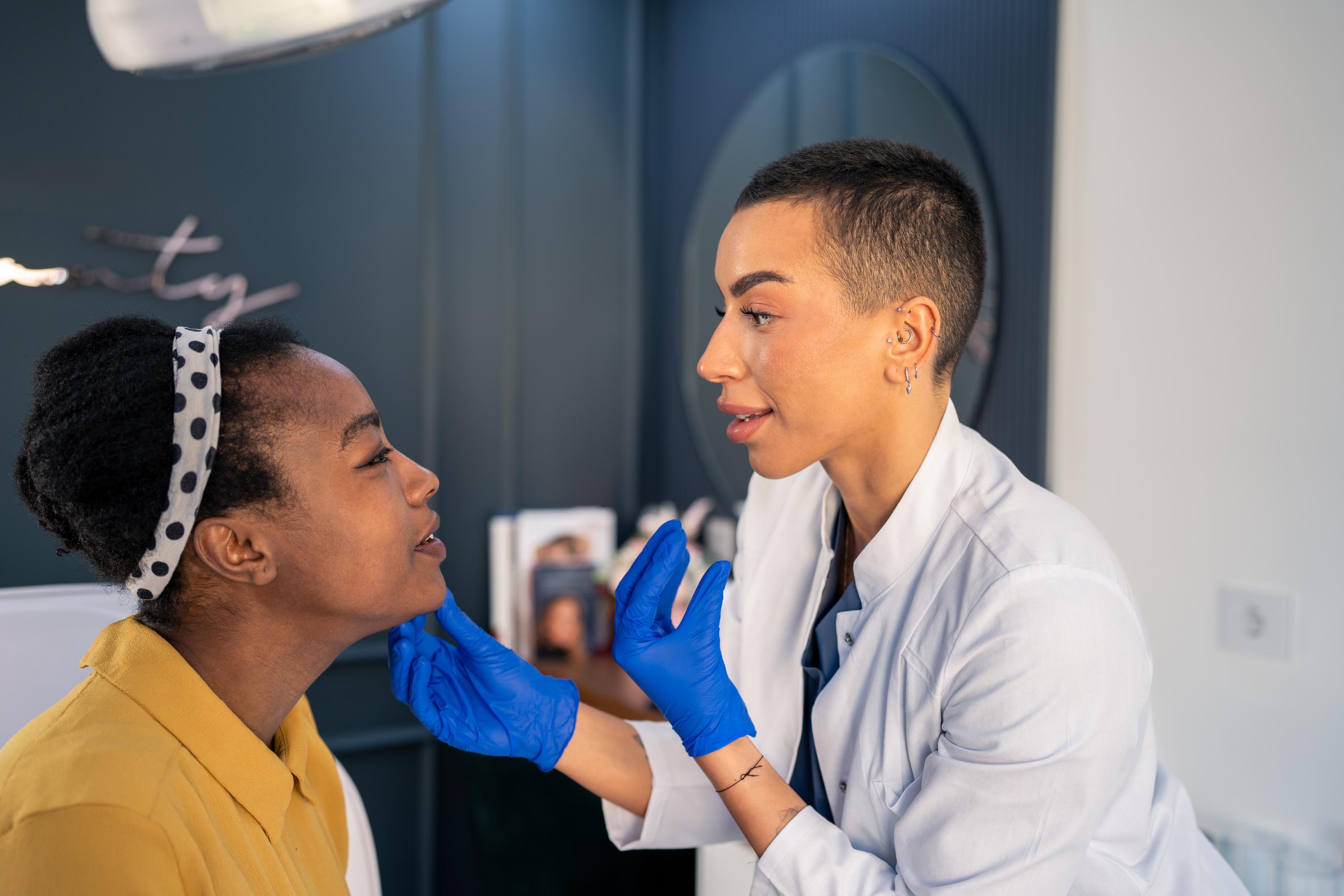
Identifying signs of reactive skin early can prevent further irritation. Here’s how to spot the signs and what they mean for your skin health.
Over-Exfoliation Signs
Exfoliating too much can harm your skin barrier. If you notice redness, peeling, or tightness, you might be over-exfoliating. This strips your skin of its natural oils, making it more sensitive. To remedy this, cut back on exfoliation and focus on soothing, hydrating products that support your skin barrier.
Perimenopause Skin Sensitivity
During perimenopause, hormonal changes can make your skin more sensitive. You might notice increased redness or irritation. These changes require a gentle approach to skincare, prioritising products free of irritants and fragrance. If you suspect perimenopause is affecting your skin, seeking guidance from a knowledgeable provider like Vysana Clinic can be invaluable.
Why Fragrance-Free Skincare Matters
Fragrances can irritate sensitive skin, especially when it’s already reactive. Choosing fragrance-free skincare products can reduce the risk of irritation. Look for labels that specify “fragrance-free” and test products on a small area of skin before full application to ensure they’re suitable for your skin type.
Practical Support for Reactive Skin
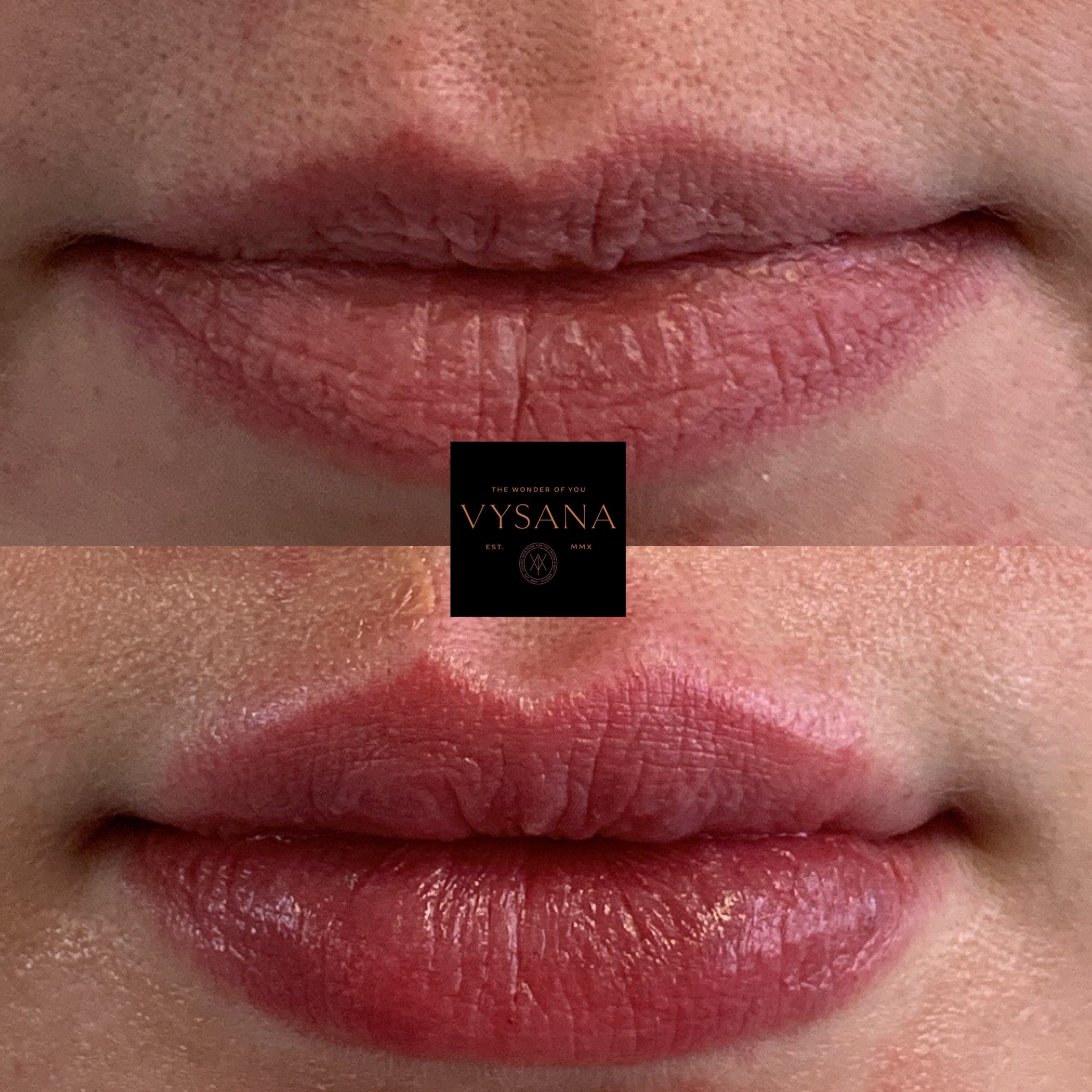
Knowing what causes your skin to react is just part of the solution. Here’s how you can support your skin through the autumn months.
Autumn Skincare UK Essentials
Adapting your skincare routine for autumn is crucial. Incorporate products with hyaluronic acid to boost hydration and use a thicker moisturiser to lock in moisture. Regularly apply a barrier-friendly cleanser and avoid hot water, which can further dry out your skin. Consistency in your routine can make a noticeable difference.
Skin Barrier Repair Tips
Repairing your skin barrier is essential for managing sensitivity. Use products containing niacinamide and ceramides to strengthen and hydrate your skin. Avoid harsh scrubs and opt for gentle cleansing with tepid water. This approach helps restore your skin’s natural protective barrier, reducing reactivity.
Booking Your Autumn Skin Health Review
If you’re experiencing persistent skin reactions, a professional consultation can provide tailored advice. At Vysana Clinic, our experts offer in-depth skin evaluations, helping you understand your unique skin needs. Booking an Autumn Skin Health Review can set you on the path to calmer, healthier skin.
Frequently Asked Questions
How does central heating affect my skin?
Central heating can dry out the air, leading to moisture loss in your skin. This results in a tight, uncomfortable feeling. Using a humidifier and applying a rich moisturiser can help counteract this effect.
What is the best way to protect my skin from windburn?
To protect against windburn, cover your face with a scarf when outdoors and use a barrier-rich moisturiser. This helps shield your skin from the drying effects of wind.
Can hormonal changes affect my skin’s sensitivity?
Yes, hormonal changes, such as those during perimenopause, can increase skin sensitivity. It’s important to use gentle, fragrance-free skincare products during this time.
Why should I choose fragrance-free skincare?
Fragrance-free skincare reduces the risk of irritation, especially for sensitive skin. Fragrances can be a common irritant, so opting for fragrance-free products helps keep your skin calm and balanced.
How can I repair my skin barrier?
Repairing your skin barrier involves using products with niacinamide and ceramides and avoiding harsh scrubs. Gentle cleansing and hydration are key to restoring your skin’s protective barrier.