

Reactive skin doesn’t need to mean complicated routines that leave your skin feeling raw. Too often, products strip the skin barrier, making sensitivity worse. At Vysana Clinic, we focus on a simple skincare routine UK patients trust—one that protects your skin barrier while calming reactivity. Read on to learn how a doctor-led approach can reset your skin safely and effectively.
Recognising Reactive and Sensitised Skin
Understanding how to recognise reactive skin is the first step to calming and caring for it. Identifying common triggers and knowing the signs of a compromised skin barrier can help you make informed decisions about your skincare.
Identifying Common Triggers
Reactive skin can flare up due to various factors. Stress, harsh weather, and certain skincare products can all play a role. Fragrance and harsh sulphates are usual suspects. Tightness, itching, or redness are signals your skin might be reacting. If you’re experiencing these, it’s crucial to reassess your skincare routine and environment. Learning more about these triggers can guide you in creating a more skin-friendly routine.
Signs of a Compromised Skin Barrier
A healthy skin barrier is your natural defence. When compromised, it leads to dryness, flakiness, or increased sensitivity. You might notice that products sting or your skin looks dull. These are indicators that your barrier needs support. Understanding these signs can help you choose products that restore and protect your skin.
When to Seek GP Advice
If your skin issues persist, it might be time to consult a GP. Conditions like perioral dermatitis or a stubborn rosacea flare can benefit from professional guidance. A GP can assess underlying causes and recommend treatments tailored to your skin’s needs. Seeking expert advice ensures you’re not just guessing but taking informed steps toward healthier skin.
Simplifying Your Skincare Routine
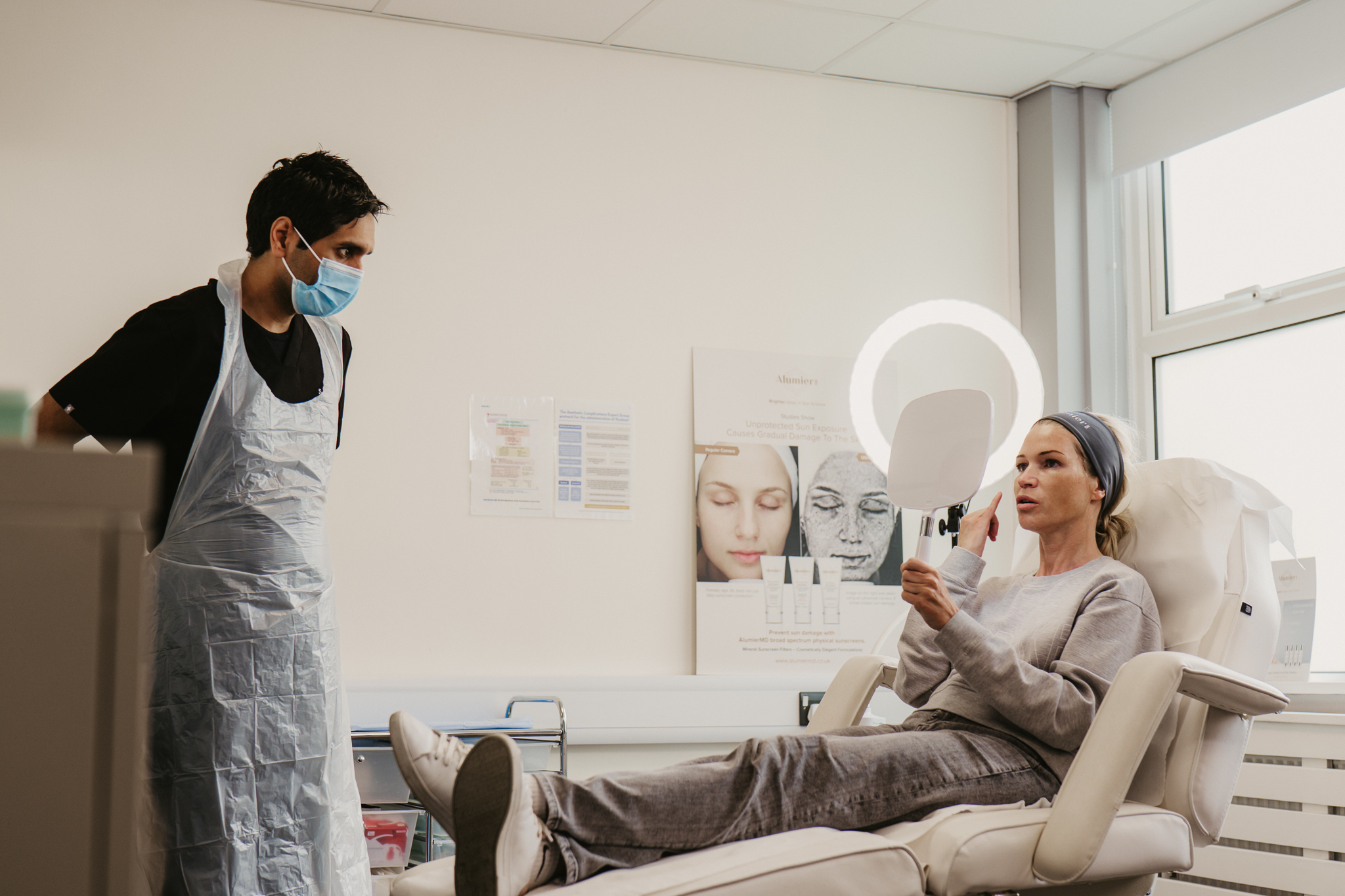
A simplified routine focuses on essentials that promote barrier repair. By choosing the right products and avoiding harmful ingredients, you can nurture your skin effectively.
Essential Products for Barrier Repair
Focus on products that actively repair and protect your skin barrier. Look for a fragrance-free moisturiser with ceramides, niacinamide, or hyaluronic acid. These ingredients help retain moisture and fortify your skin. A barrier-first routine keeps your skin calm and balanced.
Ingredients to Avoid During Flares
During flare-ups, steer clear of potentially irritating ingredients. Over-exfoliation and products with alcohol can exacerbate sensitivity. Stick to gentle, soothing options that focus on restoring your skin’s natural barrier. Avoiding these ingredients can prevent further irritation and promote healing.
Conducting a Safe Patch Test
A patch test is crucial when trying new products. Apply a small amount to a discreet area and wait 24 hours to check for any reaction. This step can save you from unwanted irritation and help you identify what works best for your skin.
Reintroducing Actives Safely
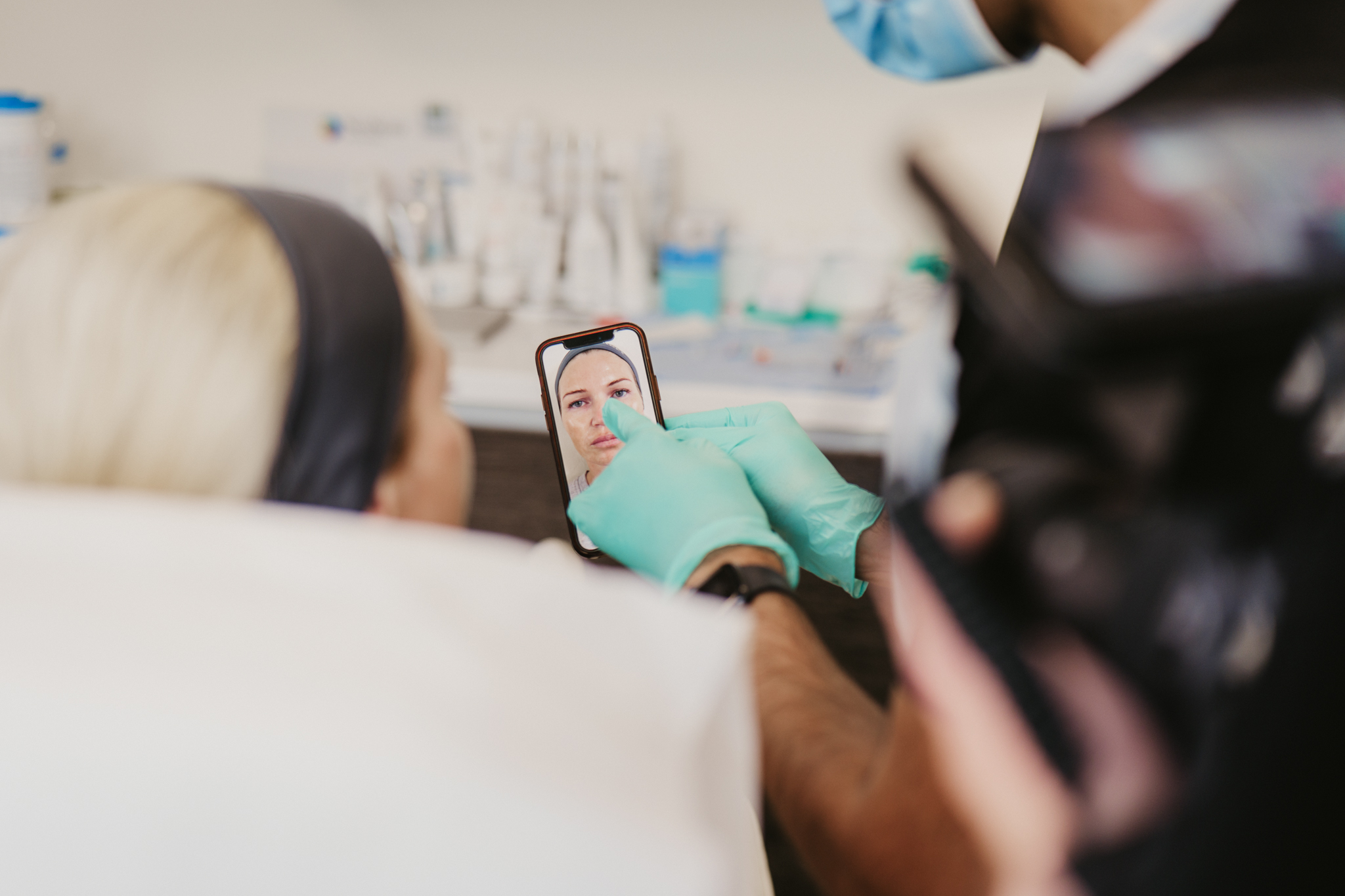
Once your skin is stable, you may want to reintroduce active ingredients. Timing and application play critical roles in ensuring your skin can tolerate them without irritation.
Timing for Retinoids and Acids
Reintroducing retinoids and acids should be done gradually. Start with a retinoid irritation plan, using them once or twice a week. Keep an eye on your skin’s response and adjust accordingly. This careful approach can prevent overloading your skin and causing further damage.
Managing Retinoid Irritation
Retinoid irritation is common but manageable. Use a moisturiser first or mix it with your retinoid to buffer its effects. This method reduces irritation while allowing you to enjoy the benefits of retinoids.
Importance of SPF 50 Daily Protection
Daily protection with SPF 50 is essential, especially when using active ingredients. It shields your skin from UV damage and supports your barrier’s recovery process. Incorporate SPF into your routine to maintain healthy, resilient skin.
Frequently Asked Questions
What causes reactive skin?
Reactive skin can be triggered by stress, environmental factors, or harsh skincare products. Identifying and avoiding these triggers can help manage sensitivity.
How can I tell if my skin barrier is compromised?
Signs of a compromised barrier include dryness, flakiness, and increased sensitivity. If products sting or your skin looks dull, your barrier may need repair.
When should I see a GP about my skin?
If your skin issues persist despite at-home care, it’s wise to consult a GP. They can offer professional advice and treatments tailored to your needs.
What ingredients should I avoid during a skin flare-up?
Avoid harsh ingredients like alcohol and fragrances. These can worsen sensitivity. Opt for gentle, soothing products instead.
How do I safely introduce retinoids into my routine?
Start slowly, using retinoids once or twice a week. Pair with a moisturiser to buffer irritation and monitor your skin’s response.