

Reactive skin often feels like a puzzle with no clear solution. You’ve likely tried countless products only to face redness, irritation or flare-ups that refuse to settle. This guide breaks down how a minimal, doctor-led sensitive skin routine centred on barrier repair and skin barrier support can calm and protect your skin for good. Ready to learn how to care for your reactive skin without overcomplicating things? Check out this complete practical guide for more insights.
Understanding Reactive Skin
To truly tackle reactive skin, it’s essential to know what makes it act up. Often, the cause isn’t a mystery, but rather a combination of factors that can be identified and managed.
Identifying Triggers and Causes
Reactive skin can be set off by a variety of things in your environment. Common triggers include harsh weather conditions, pollution, and certain skincare ingredients. Stress and hormonal changes can also play a major role. Your skin might react to anything from a new moisturiser to a change in laundry detergent. Keeping track of these changes can help pinpoint the exact cause.
Understanding what makes skin reactive is the first step. The goal is to reduce exposure to these triggers and choose products that soothe rather than irritate. Many find success with products containing calming ingredients like colloidal oatmeal and panthenol. For more information on calming your skin, visit this professional approach guide.
Common Mistakes in Sensitive Skin Care
You might be making some mistakes without realising it. Over-exfoliation is a frequent## Understanding Reactive Skin
Reactive skin often leaves you feeling uncertain about what products to use. Let’s start by identifying its triggers and common care mistakes.
Identifying Triggers and Causes
First, it’s crucial to understand what makes your skin react. Common culprits include harsh weather, pollution, and stress. Even skincare products can be a problem if they contain irritating ingredients. Your skin’s sensitivity can increase due to hormonal changes, making everyday products suddenly unsuitable. To pinpoint what bothers your skin, consider keeping a skin journal. This helps you track reactions and identify patterns. Learn more about natural skincare for reactive skin.
Common Mistakes in Sensitive Skin Care
Many people make mistakes in their skincare routine, thinking more products mean better care. But for reactive skin, less is often more. Over-exfoliation can strip your skin of its natural oils, leaving it vulnerable. Instead, opt for gentle cleansers and avoid frequent product changes. Another mistake is ignoring the importance of patch testing. Always try a small amount of new skincare on your arm before applying it to your face. Trying too many new products at once can also lead to confusion about what works or causes irritation.
Building a Minimal Skincare Routine

A minimal skincare routine is key to managing reactive skin. Here’s how you can focus on barrier repair to calm and protect your skin effectively.
Essential Steps for Barrier Repair
Your skin barrier acts as a shield against irritants. Strengthening it is crucial. Start with a hydrating, non-stripping cleanser. Ingredients like ceramides, glycerin, and squalane help repair and maintain the barrier. After cleansing, use a moisturiser rich in ceramides and panthenol. These ingredients lock in moisture and reduce irritation. Don’t forget SPF for sensitive skin. Choose a mineral sunscreen to avoid chemical irritants. By focusing on these essentials, you can support your skin’s natural defences without overwhelming it.
Choosing Fragrance-Free Products
Fragrance can be a major irritant for sensitive skin. Opt for fragrance-free products to reduce the risk of reactions. Look for labels stating “fragrance-free” and not just “unscented.” Unscented products may still contain masking fragrances. Ingredients like niacinamide (low strength) and azelaic acid are beneficial. They soothe irritation and even out skin tone. Incorporate these into your routine gradually. Always patch test new products, especially those with active ingredients.
Personalised Care with Vysana Clinic
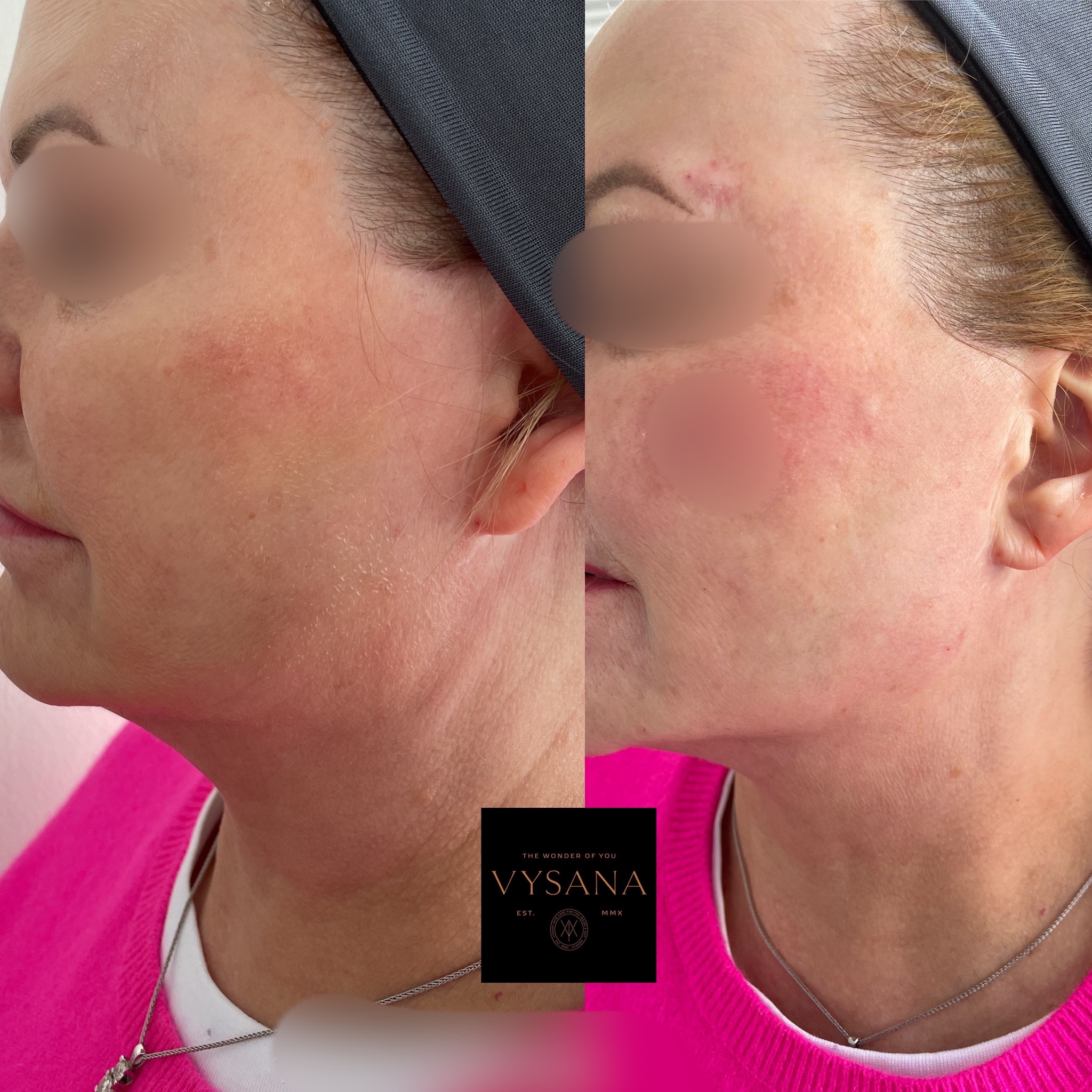
For those seeking expert guidance, Vysana Clinic offers personalised solutions. Our approach ensures your skincare is as unique as your skin.
Doctor-Led Skin & Sensitivity Consultations
At Vysana Clinic, we understand every skin type is different. Our doctor-led consultations provide tailored advice. Dr. Sunny Dhesi’s expertise bridges medical and aesthetic care, ensuring you receive well-rounded support. Whether you’re dealing with rosacea, eczema-prone skin, or perimenopause sensitivity, we have solutions. Our consultations include patch test guidance to prevent adverse reactions. With our help, you can create a minimal skincare routine that truly works.
Tailored Recommendations for Lasting Results
Our recommendations go beyond off-the-shelf solutions. We craft a skin reset plan that aligns with your lifestyle, focusing on long-term results. This involves selecting products that complement your skin’s needs and adjusting them as your skin evolves. We aim to simplify your routine while maximising efficacy, helping you achieve calm, resilient skin. Our holistic approach considers both your skin’s health and overall wellbeing. By choosing Vysana Clinic, you’re investing in a trusted partner for skin health.
Frequently Asked Questions
What causes reactive skin?
Reactive skin is often triggered by environmental factors like pollution and weather, stress, and unsuitable skincare products. Hormonal changes can also increase skin sensitivity.
How can I strengthen my skin barrier?
To strengthen your skin barrier, use a gentle cleanser and products containing ceramides, glycerin, and squalane. Avoid over-exfoliating and ensure you apply a good moisturiser daily.
Why should I choose fragrance-free products?
Fragrance-free products are less likely to irritate sensitive skin. Fragrances, even in unscented products, can cause reactions. Always look for “fragrance-free” on the label to be safe.
By understanding what works for reactive skin and making informed choices, you can achieve lasting, healthy skin. Let Vysana Clinic guide you on this journey.