

Your skin feels off, but is it just dry or something more serious? Mistaking dehydration for a damaged skin barrier can lead to frustration and ineffective routines. Knowing the difference is key to choosing the right steps—whether that’s targeted skin barrier repair or seeking a doctor’s review. In this post, you’ll learn how to spot damaged skin barrier signs, understand hydration needs, and recognise when it’s time to consult a professional.
Understanding Your Skin’s Needs
Let’s explore how to identify what your skin truly needs. Understanding whether your skin is dealing with barrier issues or dehydration can pave the way for better care.
Damaged Skin Barrier Signs
A compromised skin barrier can manifest in several ways. You’ll often notice redness, flakiness, or even inflammation. Your skin might feel itchy or sensitive to products that were once fine. Think of your skin barrier as a protective shield—when it’s damaged, the skin loses moisture and becomes more vulnerable to irritants. If you’re experiencing persistent redness or irritation that doesn’t improve, these could be signs of a damaged barrier.
Dehydrated vs Dry Skin
Distinguishing between dehydrated and dry skin is crucial. Dry skin lacks oil, while dehydrated skin lacks water. Dehydrated skin often feels tight and may look dull, but you can still have an oily surface. You might also notice enhanced lines or shadows. On the other hand, dry skin feels rough and may come with flaky patches. Understanding this difference is essential for choosing the right products and treatments.
When to See a Doctor for Skin
Sometimes, skin issues require professional insight. If you’ve tried various remedies and your skin remains irritated or worsens, it might be time to consult a doctor. Conditions like eczema, rosacea, or severe acne often benefit from medical treatment. A professional can provide a tailored skincare plan, helping you achieve healthier skin.
Steps for Skin Recovery

Once you identify your skin’s needs, it’s time to focus on recovery. Implementing the right skincare routine can make all the difference.
Barrier-Friendly Skincare Routine
A gentle skincare routine can support barrier repair. Start with a non-stripping cleanser to avoid further damage. Use a rich moisturiser to lock in moisture and strengthen your barrier. Avoid harsh exfoliants that can strip your skin. By focusing on gentle, nourishing products, you help your skin recover more effectively.
Hydration with Hyaluronic Acid
Hyaluronic acid is a hydration powerhouse. It draws moisture from the environment into your skin, keeping it plump and hydrated. For best results, apply it on damp skin and seal it with a moisturiser. This simple step can boost hydration significantly. Remember, hydrated skin looks healthier and feels more comfortable.
Ceramides and Niacinamide Benefits
Incorporating ceramides and niacinamide into your routine can enhance skin strength. Ceramides restore the skin’s barrier, preventing moisture loss. Niacinamide, on the other hand, helps reduce inflammation and supports overall skin health. Together, they create a balanced, resilient complexion, perfect for those experiencing barrier issues or dehydration.
Professional Care and Guidance
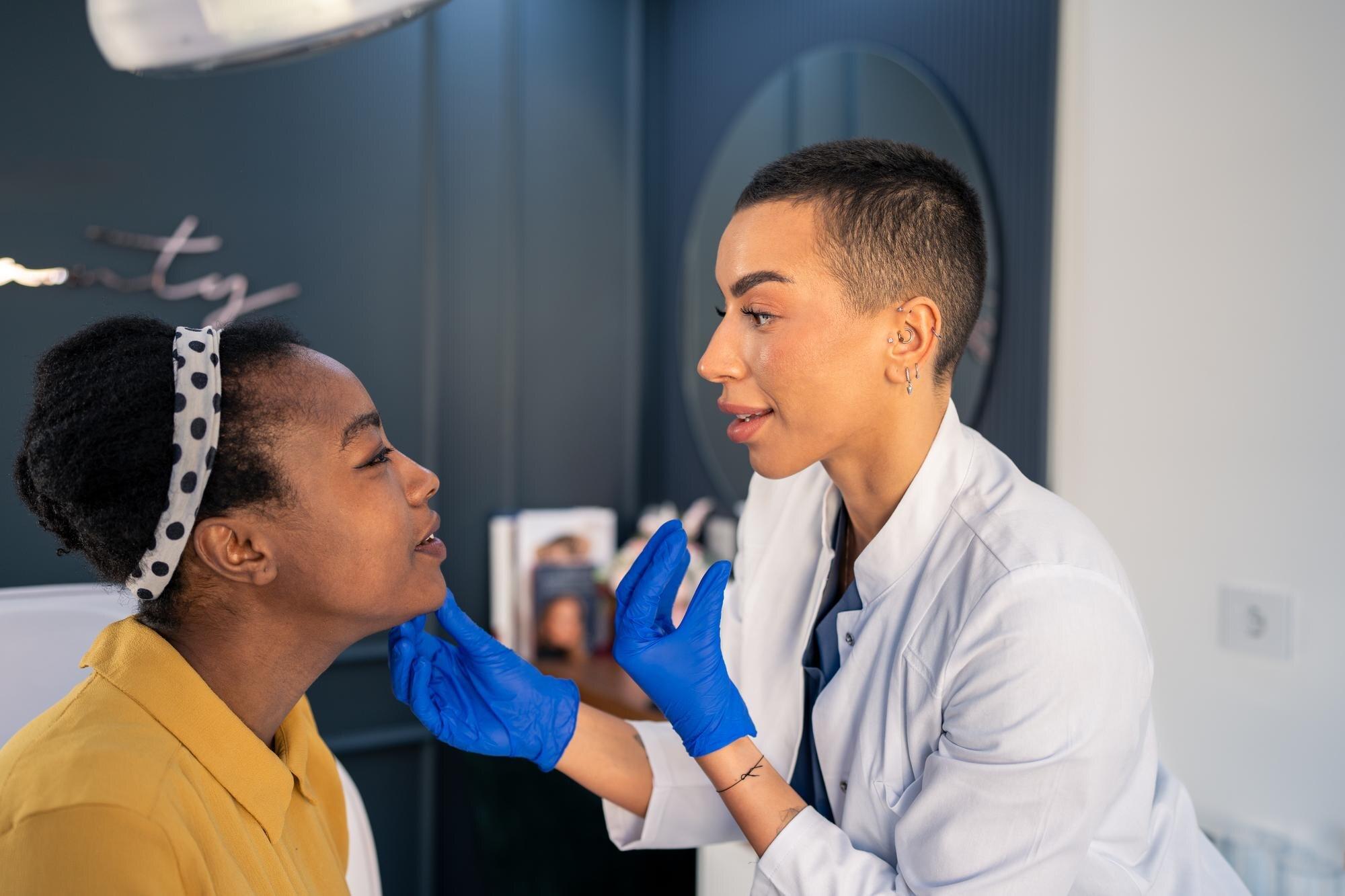
Seeking professional care ensures your skin receives what it truly needs. Clinics like Vysana offer expert-led solutions for skin health.
Private GP Skin Clinic Rutland
In Rutland, Vysana Clinic provides private GP services, offering comprehensive care for your skin. Their approach combines medical insight with aesthetic expertise to address a range of skin concerns efficiently.
Vysana Clinic’s Doctor-Led Approach
Led by Dr. Sunny Dhesi, Vysana Clinic offers a doctor-led approach to skincare. This means personalised care plans based on medical expertise, ensuring safe and effective treatments. Their services range from managing acne and rosacea to addressing adult eczema.
Natural Aesthetic Results and More
Vysana Clinic is known for delivering natural aesthetic results. Whether you’re interested in LED light therapy or other treatments, the focus remains on enhancing your natural beauty. The clinic’s ethical, doctor-led aesthetics ensure you achieve a refreshed look without drastic changes.
Frequently Asked Questions
How can I tell if my skin barrier is damaged?
Look for signs such as redness, itching, or increased sensitivity. If your skin reacts negatively to products you previously used without issue, it might be damaged.
What is the difference between dehydrated and dry skin?
Dehydrated skin lacks moisture, while dry skin lacks oil. Dehydrated skin can feel tight but still be oily, whereas dry skin usually feels rough and may have flaky patches.
When should I see a doctor for skin issues?
Consult a doctor if your skin problems persist despite home treatments, or if you suspect conditions like eczema or rosacea. Professional guidance can help create a tailored skincare plan.
What are the benefits of using hyaluronic acid?
Hyaluronic acid attracts moisture to the skin, providing deep hydration. It’s best applied on damp skin and sealed with a moisturiser for optimal results.
How do ceramides and niacinamide support skin recovery?
Ceramides restore the skin barrier, preventing moisture loss, while niacinamide reduces inflammation and supports skin health, making them ideal for skin repair routines.