

Not every skin concern needs a trip to the GP, but some do. Sorting out when to trust skincare alone, when to seek medical advice, or when both are needed can feel confusing. This guide helps you spot the warning signs, understand treatment options like acne treatment Rutland or rosacea diagnosis, and shows why combining evidence-based skincare with doctor-led care delivers natural, lasting results. Let’s clear the fog and help your skin get the right support. Find out when a skin problem requires a dermatologist.
Understanding Common Skin Concerns
Figuring out when your skin issue is serious enough to need a GP can be tricky. Let’s explore some signs that indicate it’s time to seek professional help.
When to See a GP for Skin Issues
If your skin problem is persistent or worsening, it may be time for a GP visit. Common concerns like acne or eczema can sometimes be managed with over-the-counter products. But if they don’t improve, medical advice is essential. A GP can assess your skin, offer a diagnosis, and propose treatments that may involve prescription medications or further specialist referrals. For example, conditions like hormonal acne often require targeted treatments. Learn more about when to see a dermatologist for skin concerns.
Identifying Skin Cancer Warning Signs UK
Early detection of skin cancer increases the chances of successful treatment. Look out for changes in moles, such as size, shape, or colour, which can be warning signs. If you notice new moles or sores that don’t heal, it’s crucial to consult a GP. They can perform a detailed skin examination and, if necessary, refer you for a biopsy or specialist care. A proactive approach is key to managing potential risks effectively.
Recognising Perimenopause Skin Changes
Perimenopause can bring changes to your skin, often due to hormonal fluctuations. Common changes include increased dryness, sensitivity, or breakouts. Understanding these shifts can help you address them with the right skincare routine or medical intervention. Consulting a## Understanding Common Skin Concerns
Your skin is unique, and so are its needs. Knowing when to turn to skincare, a GP, or both, is key to maintaining its health. Let’s explore the signs and signals to be aware of.
When to See a GP for Skin Issues
Sometimes, it’s hard to know if your skin issue requires medical attention or can be managed with skincare. If you notice persistent rashes, unusual moles, or sores that won’t heal, it’s time to see a GP. Skin concerns like these can indicate underlying health problems that need professional evaluation. Learn more about when to see a dermatologist.
But what if it’s just redness or occasional breakouts? If over-the-counter products aren’t helping, a doctor can provide insights into conditions like hormonal acne or eczema. They offer treatments that target the root cause, not just the symptoms. Ignoring persistent issues might mean missing the chance for early intervention.
Identifying Skin Cancer Warning Signs UK
Moles and skin changes can be harmless, but they might signal skin cancer. Watch for asymmetrical moles, irregular borders, varied colours, or moles larger than a pencil eraser. Any of these could indicate a need for a mole check, especially if you’re in Rutland or nearby. Keep an eye on any new or changing skin spots.
Regular self-examinations can be life-saving. If you’re unsure, consult a GP. They can perform a thorough assessment and guide you on the next steps. Check when a skin problem requires professional attention.
Recognising Perimenopause Skin Changes
Perimenopause brings hormonal shifts that affect your skin. You may experience dryness, increased sensitivity, or pigmentation changes. These are common but can be managed with the right approach. Doctor-led skincare can help navigate these changes effectively.
Addressing these concerns early can prevent more pronounced issues later. A GP can offer tailored advice, ensuring your skin remains healthy and vibrant. Understanding these changes empowers you to make informed choices about your skin health.
Skincare vs Medical Treatment
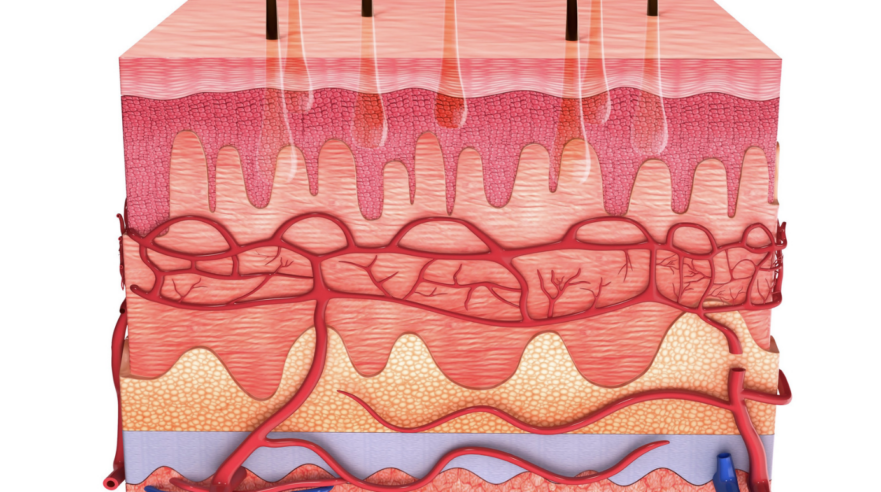
Deciding between skincare and medical treatment depends on the issue. Acne, rosacea, and dermatitis each require a different approach.
Acne Treatment Rutland: What Works?
Acne is more than a teenage problem. It affects many adults, too. Over-the-counter treatments often help mild cases, but persistent acne might need professional intervention. In Rutland, treatments like topical retinoids or oral medications can provide relief and prevent scarring.
If acne is affecting your confidence, don’t wait. A GP can assess your skin and recommend effective treatments tailored to you. This approach ensures you tackle acne at its source, not just on the surface.
Rosacea Diagnosis and Management
Rosacea can be tricky, presenting as redness, visible blood vessels, or bumps. Identifying triggers and avoiding them is crucial. Medical treatments, including topical creams or oral antibiotics, can manage symptoms effectively.
Consulting a GP can provide clarity and a treatment plan designed just for you. This personalised care addresses your specific needs, helping you manage rosacea with confidence.
Dermatitis Treatment: GP or DIY?
Dermatitis can cause itching and discomfort. While mild cases might respond to emollients or over-the-counter creams, more severe cases often need medical attention. A GP can prescribe treatments that soothe and heal your skin.
Ignoring dermatitis can lead to complications. Early intervention ensures your skin heals properly, reducing the risk of infections or chronic issues. Take control of your skin health with the right guidance.
The Vysana Clinic Approach
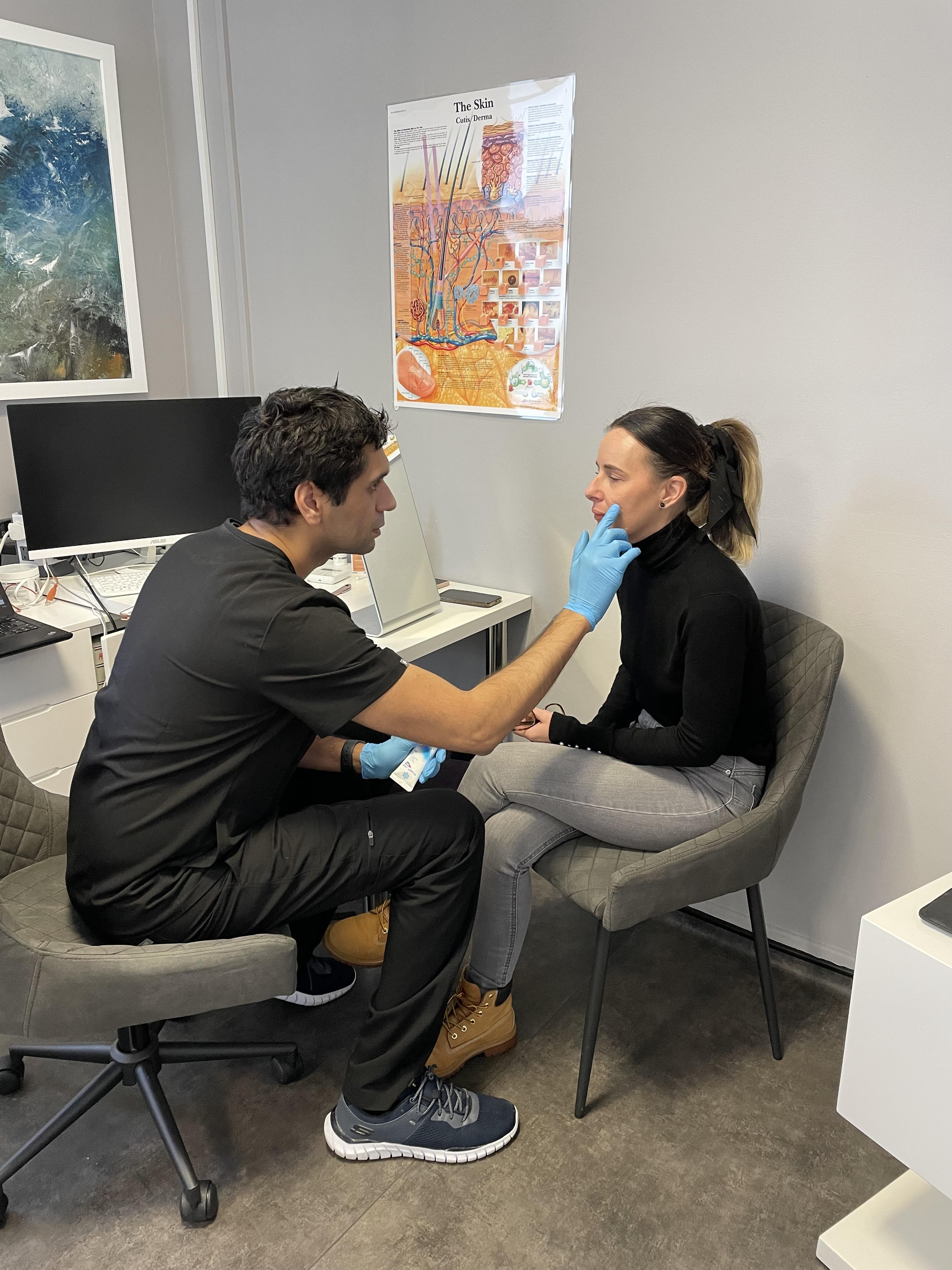
At Vysana Clinic, we believe in a comprehensive approach that combines medical expertise and aesthetic care for optimal skin health.
Doctor-Led Aesthetics for Natural Results
Our approach integrates medical insights with aesthetic goals. This ensures treatments enhance your natural beauty without compromising your health. Our GP, Dr. Sunny Dhesi, leads with expertise in both medical and aesthetic care.
Choosing doctor-led aesthetics means you’re in safe hands. It’s about achieving natural results that align with your health and beauty goals. Your comfort and wellbeing are our priority.
Comprehensive Skin Assessment and Dermoscopy
Our thorough skin assessments include dermoscopy, offering detailed insights into your skin’s condition. This diagnostic tool aids in identifying issues early, ensuring you receive the best care possible.
Understanding your skin’s needs allows for targeted treatments. Our assessments guide personalised care plans that support your skin’s health and beauty.
Book Your Skin & Health Review at Oakham Clinic
Ready to take charge of your skin health? Visit the Oakham Clinic for a comprehensive review. Our team will assess your needs and recommend a path to healthier skin. Your journey towards natural, lasting results begins here.
Frequently Asked Questions
What skin issues need a doctor’s attention?
Persistent rashes, unusual moles, or sores that don’t heal are signs you should see a GP. These may indicate underlying health issues needing professional evaluation.
How do I know if a mole is concerning?
Look for moles that are asymmetrical, have irregular borders, varied colours, or are larger than a pencil eraser. Any changes in size or appearance should be checked by a GP.
Can perimenopause affect my skin?
Yes, hormonal changes during perimenopause can lead to dryness, sensitivity, or pigmentation changes. Doctor-led skincare can help manage these effects effectively.
What treatments are available for acne in Rutland?
For persistent acne, GP-prescribed treatments like topical retinoids or oral medications can be effective. These target the root cause, preventing scarring and improving skin health.
Is it better to see a GP for dermatitis?
While mild dermatitis might be managed with over-the-counter products, more severe cases benefit from GP-prescribed treatments. Early intervention helps soothe and heal your skin.