

Spring Skin Dehydration in Midlife: A Doctor‑Led Guide to Restoring Bounce and Comfort
Spring often brings a surprise for midlife skin—tightness, dullness, and a loss of bounce that feels hard to shake. This isn’t just dryness; it’s spring skin dehydration, a subtle but stubborn issue linked to hormonal shifts and seasonal changes in water loss from your skin. Understanding what’s really happening allows you to take targeted steps at home or with expert help, restoring comfort and a natural glow as the seasons turn. For more information on preparing your skin for spring, check out this helpful guide here.
Understanding Spring Skin Dehydration
Spring changes often surprise your skin, making it feel tight and less bouncy. But why is this? Understanding the difference between dry and dehydrated skin can be the key to addressing these concerns.
Dry vs Dehydrated Skin
Here’s the key insight: dry skin lacks oil, while dehydrated skin lacks water. Imagine your skin as a sponge. A dry sponge doesn’t have oils, while a dehydrated one needs water. Many people think they have dry skin when it’s actually dehydrated. This difference matters because it guides your skincare choices. To tackle dehydration, focus on using products that add water back into your skin. Ingredients like hyaluronic acid and ceramides are excellent. They help your skin retain water and restore its natural glow. Discover more about this here.
Oestrogen Decline and Skin Changes
As you age, your oestrogen levels decline. This affects your skin’s elasticity and moisture. Oestrogen helps keep your skin firm by supporting collagen production. When levels drop, you might notice your skin feeling less plump. This isn’t just an aesthetic concern; it’s a biological shift. To support your skin, consider treatments that boost collagen. Ingredients like retinoids or peptides can be helpful. These support your skin’s structure, helping it stay resilient through hormonal changes.
Seasonal Shifts and Water Loss
Spring brings fluctuating humidity and temperature, which impact your skin’s moisture. These changes can increase transepidermal water loss (TEWL), making your skin feel dehydrated. To combat this, it’s important to adjust your skincare routine with the seasons. Use a barrier repair moisturiser to lock in moisture. Also, incorporating a gentle cleanser can prevent stripping your skin of essential oils. Learn more about avoiding dry skin here.
Practical Steps for Hydration
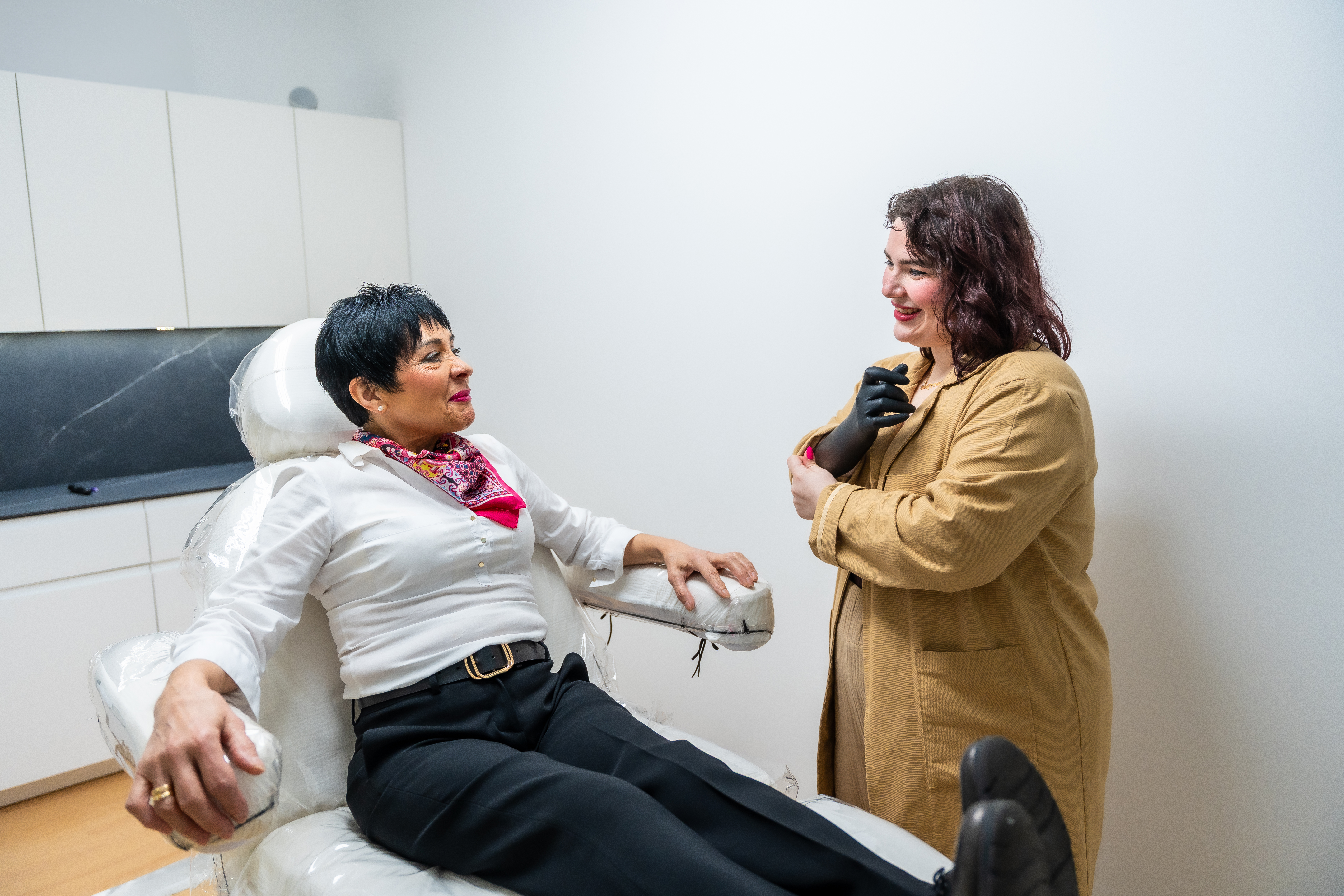
Restoring hydration to your skin involves a combination of at-home care and professional treatments. Let’s explore some effective strategies.
At-Home Skincare Routine
Here’s the key insight: consistency is crucial. Start with a gentle cleanser to avoid stripping your skin. Next, layer a humectant like hyaluronic acid. This ingredient draws moisture into your skin, providing an instant plumping effect. Follow up with an emollient to smooth and soften the skin’s surface. Finish with an occlusive to trap the moisture. This step is especially vital at night when your skin repairs itself. By morning, you’ll notice your skin feels more hydrated and comfortable. For additional tips, refer to this guide.
Evidence-Based Clinic Options
For more targeted care, consider treatments available at clinics. These options are designed to rejuvenate and hydrate skin effectively. Microneedling, for instance, stimulates collagen, improving skin texture. LED light therapy enhances cellular repair, brightening your complexion. Explore more evidence-based options.
Importance of SPF for Midlife Skin
Here’s a crucial reminder: SPF is non-negotiable. Protecting your skin from UV rays prevents further dehydration. Choose a broad-spectrum SPF 30 or higher. This shields your skin from the sun and supports its natural barrier. Reapply every two hours if outdoors. Protecting your skin from the sun is a critical step in any skincare routine—especially in spring when UV levels rise.
Personalised Hydration Plans

Personalised care ensures the best results. At Vysana Clinic, we offer comprehensive consultations tailored to your needs.
Doctor-Led Consultation at Vysana
Consulting with a doctor ensures your skin gets exactly what it needs. We assess your skin’s condition, taking into account hormonal changes and seasonal shifts. This holistic approach allows us to recommend the most effective treatments for you. Trust in our expertise to guide your skincare journey.
Tailored Aesthetic Treatments
At Vysana, treatments are never one-size-fits-all. Our natural aesthetic treatments are designed to complement your skin’s biology. We focus on enhancing your natural beauty, not changing it. Whether it’s a lactic acid peel for sensitive skin or a customised ceramides moisturiser, our approach is always bespoke.
Booking Your Hydration Consultation
Ready to transform your skin’s health? Booking a consultation is the first step. We invite you to experience the benefits of personalised skincare. Our expert team is here to support you every step of the way. By investing in your skin today, you ensure it stays healthy and vibrant for years to come.
In summary, understanding the specific needs of your skin during spring can make a significant difference. By recognising the signs of dehydration and taking steps to address them, you can reclaim your skin’s natural glow. With options ranging from at-home care to bespoke treatments at Vysana Clinic, achieving healthy, hydrated skin is within reach.