

Spring Skin Reset: Why Your Skin Feels Drier and More Reactive — and How to Calm It
Spring’s warmer days bring fresh air and blooming life, but your skin might tell a different story: dryness, redness, and unexpected sensitivity. These common signs of spring skin dryness often stem from factors like pollen irritation, rising UV levels, and even hormonal shifts linked to perimenopause. Understanding why your skin barrier weakens this time of year is key to calming reactive skin in spring—and that’s exactly what we’ll explore here. Read more about how to reset your skin this spring.
Causes of Spring Skin Dryness
Spring skin dryness can feel like a mystery, but understanding the causes helps. Let’s unpack the clues behind this seasonal change.
Environmental Factors and UV Exposure
The environment plays a big role in your skin’s health. When spring arrives, the sun becomes stronger. This means more ultraviolet rays reaching your skin. You might love the warmth, but these rays can damage your skin’s barrier. Over time, this leads to moisture loss. It’s like leaving a door open in winter: warmth escapes, leaving you cold. Your skin loses moisture, making it dry and sensitive. Learn more about UV exposure effects here.
Hormonal Changes During Perimenopause
Hormones also join the mix, especially in perimenopause. During this time, your body experiences changes in oestrogen levels. This affects skin hydration and elasticity. It’s as if your skin’s natural moisturizer is in short supply. Without it, skin can feel dry, itchy, and sensitive. For many women, this is a new and unwelcome sensation. It’s crucial to recognise these changes are normal and manageable. [Dive deeper into hormonal skin changes.](https://www.kptown.com/blogs/blog/why-your-skin-gets## Causes of Spring Skin Dryness
To truly soothe your skin, let’s first look at what’s causing all this dryness. Spring’s shift can leave your skin feeling upset because of multiple factors.
Environmental Factors and UV Exposure
Warmer weather often brings higher UV levels. When the sun’s rays hit your skin, the barrier can weaken. This leads to more moisture escaping, known as transepidermal water loss (TEWL). If your skin is losing water, it feels dry and tight.
Additionally, the sun can cause more than just a tan. It can irritate and inflame sensitive skin. Protecting against UV rays is crucial. You might not realise it, but UV exposure starts earlier in the year than you’d think. The UV index in spring can be quite high, leading to more damage if you’re not careful.
Hormonal Changes During Perimenopause
Perimenopause can change how your skin feels. As oestrogen levels drop, you might notice your skin becoming drier and less supple. This hormonal shift can make your skin more prone to irritation and redness.
The drop in oestrogen affects collagen and oil production. This can lead to a duller complexion and increased sensitivity. Understanding these changes helps in choosing the right skincare routine.
Impact of Pollen and Hay Fever on Skin
Spring brings pollen, which can be a nightmare for your skin. Pollen can trigger hay fever, leading to itchy, red, or inflamed skin.
Your skin reacts to pollen like it does to any allergen: by getting red and irritated. A good way to tackle this is by keeping your skin clean. A gentle cleanser for sensitive skin can help wash away allergens without stripping your skin.
Solutions for Reactive Skin in Spring

Once you know the causes, it’s easier to find solutions. Let’s explore how you can protect your skin and give it the care it needs.
Protecting the Skin Barrier
Your skin’s barrier is its first line of defence. Keeping it strong is essential. Use hydrating and soothing products to maintain this barrier.
Look for moisturisers that support barrier function. They help lock in moisture and protect against external irritants. Keeping your barrier healthy is your best bet to reduce TEWL and dryness.
Effective Ingredients: Niacinamide and Ceramides
Niacinamide and ceramides are your skin’s best friends. Niacinamide reduces redness and inflammation. It’s great for calming reactive skin.
Ceramides are the building blocks of your skin’s barrier. They lock in moisture and keep irritants out. Using products with these ingredients can make a big difference. They are a staple in medical-grade skincare in the UK.
Importance of Broad-Spectrum SPF 50
Sun protection is non-negotiable. A broad-spectrum SPF 50 shields your skin from harmful rays. It prevents damage and keeps your skin looking fresh.
Using sunscreen daily is vital, even on cloudy days. Protect your skin from UV exposure to keep it healthy and hydrated.
Personalised Skincare and Treatments
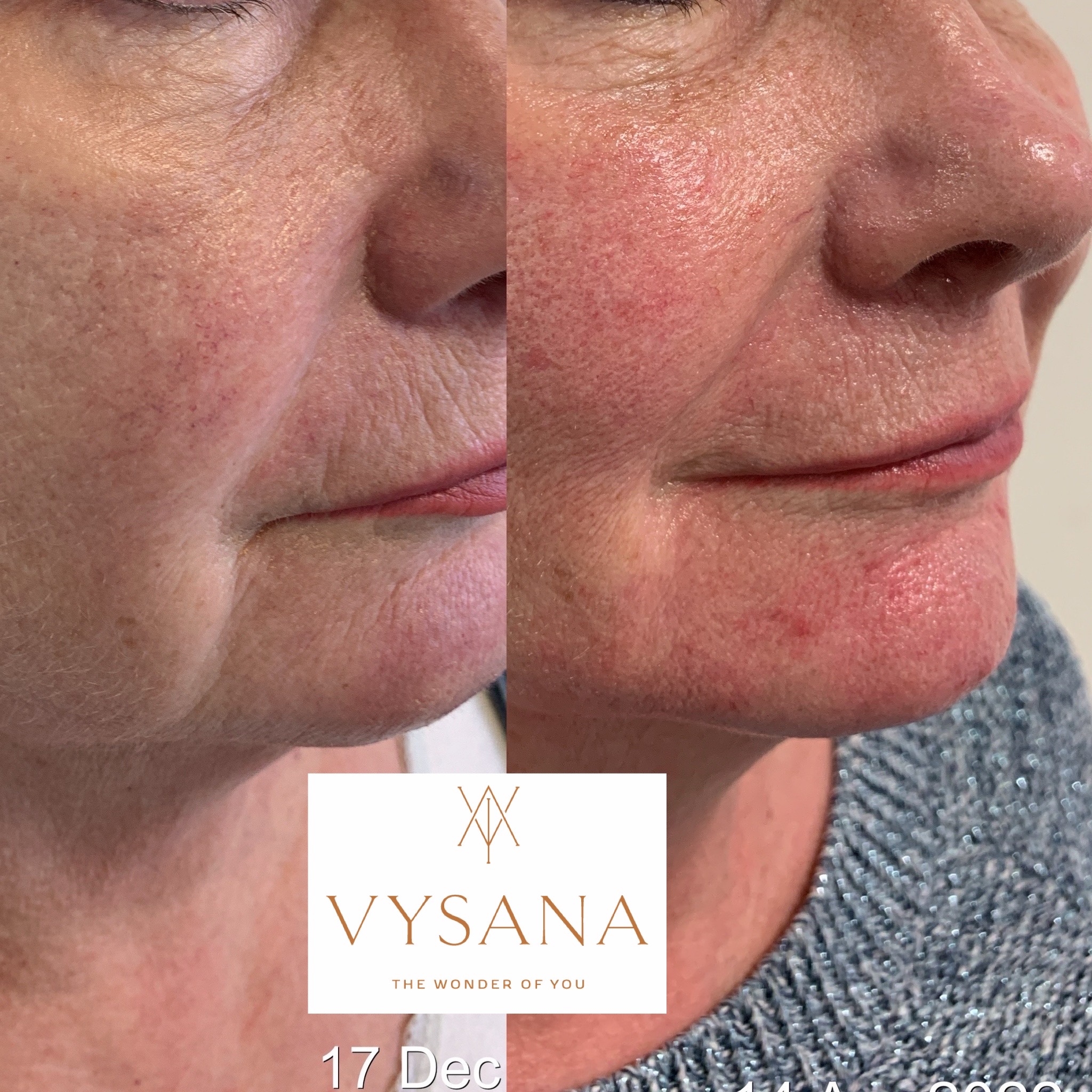
For those seeking more tailored solutions, personalised care can offer noticeable improvements.
Tailored Skincare Routine and Products
Customising your skincare routine can address specific needs. Choose products that suit your skin type and concerns.
A routine that fits your lifestyle and skin needs helps maintain balance. Consider incorporating products that focus on hydration and protection.
Doctor-Led Aesthetic Treatments at Vysana Clinic
At Vysana Clinic, treatments are backed by medical expertise. Dr Sunny Dhesi offers procedures that blend health with aesthetics.
These treatments are designed to enhance your natural beauty and support skin health. Knowing that a professional is overseeing your care adds peace of mind.
Booking a Seasonal Skin Review with Dr Sunny Dhesi
A seasonal skin review can pinpoint what your skin needs now. Dr Sunny Dhesi provides comprehensive assessments tailored to your skin’s condition and goals.
Booking a review can optimise your skincare strategy. Understanding your skin’s unique requirements helps you make informed decisions. Your skin deserves attention, and a professional review ensures it’s getting the best care possible.