

Your skin doesn’t just change with the seasons—summer brings a unique set of challenges that affect how your skin looks and feels. From heat and humidity to sweat and UV exposure, these factors can cause oily skin in summer, dryness, flare-ups, and pigmentation issues. Understanding these changes is key to managing them effectively, whether at home or with expert care. Let’s explore what really drives summer skin changes and practical steps you can take for healthy skin all season long.
Understanding Summer Skin Changes
Summer heat can be both a friend and foe to your skin. Understanding how it impacts your skin is the first step to keeping it healthy.
The Role of Heat and Humidity
When the temperature rises, so does the moisture in the air. This combination can lead to oily skin in summer. Your pores may produce extra oil to protect against the heat, which can make your skin feel greasy. On the flip side, heat and humidity can also cause dehydration, pulling moisture out of your skin and leading to dry skin in summer. Balancing your skin’s moisture levels is key during these months.
Unpacking UV Exposure and Its Effects
The sun’s rays are more intense in summer, increasing the risk of UV damage. This exposure can cause sunspots, hyperpigmentation, and even melasma. Protecting your skin from the sun is crucial to avoid these issues. UV rays can also accelerate ageing, making sun protection a top priority.
Hormonal Shifts and Medications
Hormones play a significant role in how your skin reacts to summer conditions. Changes in hormones can make your skin more sensitive, leading to breakouts or rosacea flare-ups. Some medications can also make your skin more prone to sunburn. Understanding these factors can help you adjust your skincare routine accordingly.
Practical Fixes for Summer Skin
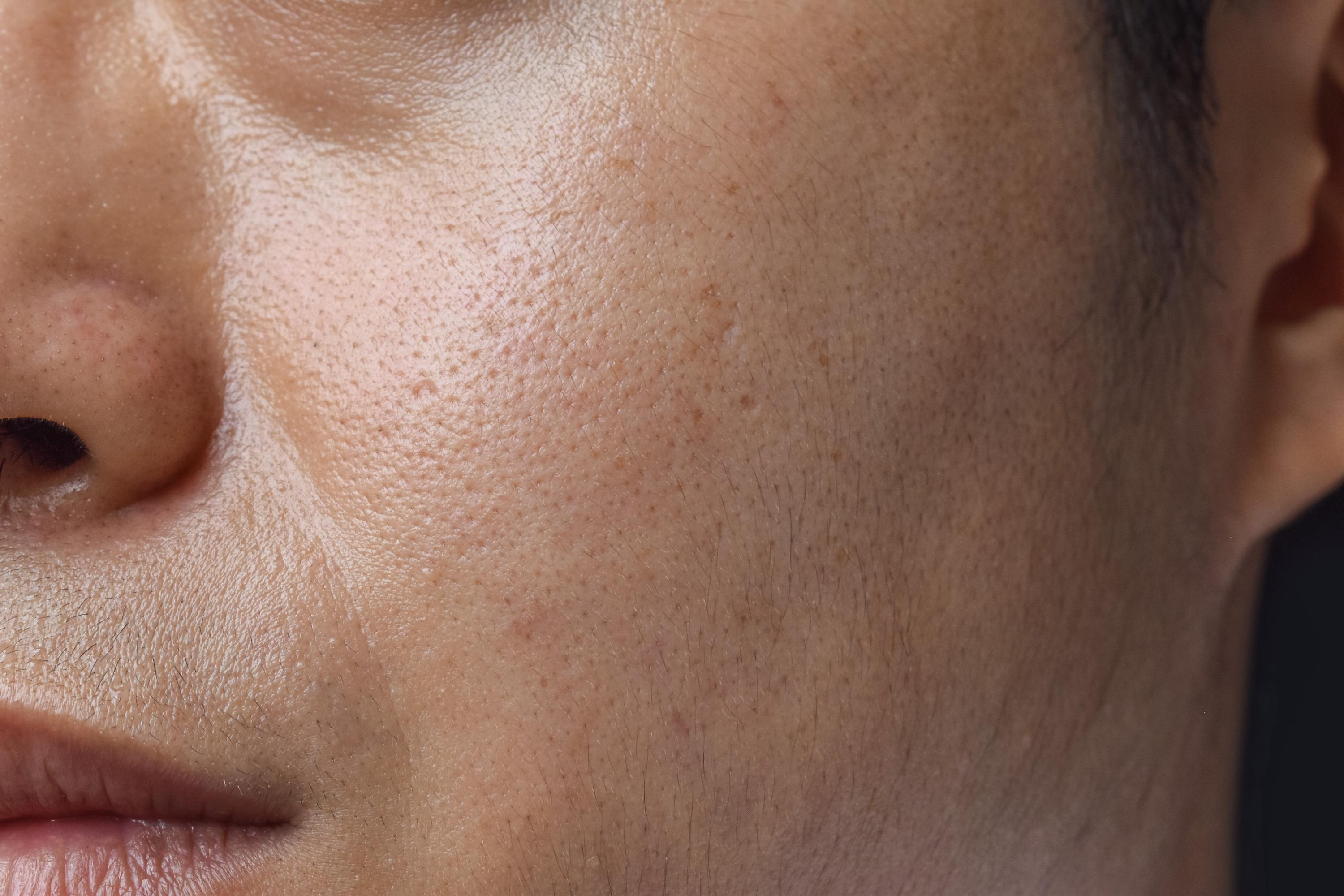
Improving your summer skincare routine can address these challenges and keep your skin looking its best.
SPF and Sun Protection UK
Sun protection is essential, and wearing SPF 50 broad-spectrum sunscreen is one of the best ways to shield your skin. Apply it every morning and reapply throughout the day, especially if you’re outdoors. This simple step can prevent UV damage and maintain your skin’s health.
Smart Skincare Ingredients
Choosing the right ingredients can make a difference in summer. Look for products with hyaluronic acid to hydrate, niacinamide to reduce oiliness, and vitamin C serum for brightening. Adding these to your routine can help combat summer skin issues effectively.
At-Home Routine Adjustments
Your skincare routine might need some tweaks in summer. Consider using lighter creams and skipping heavy oils that can clog pores. Regular exfoliation with AHA BHA exfoliation can keep your skin smooth, but don’t overdo it — your skin still needs its natural barrier intact.
Professional Solutions at Vysana Clinic

While home care is crucial, professional treatments can take your summer skincare to the next level.
Personalised Medical-Grade Skincare Plans
Dr Sunny Dhesi at Vysana Clinic offers personalized skincare plans tailored to your individual needs. These plans focus on achieving healthy, glowing skin through products and treatments selected just for you.
Gentle Chemical Peels and Treatments
Chemical peels can help reduce summer pigmentation and improve skin texture. They offer a deeper exfoliation that can remove dead skin cells and reveal fresh, rejuvenated skin. Consider booking a gentle peel to enhance your summer glow.
Booking a Summer Skin Review with Dr Sunny Dhesi
A comprehensive skin review with Dr Sunny Dhesi can provide insights into your skin’s specific needs. This review can guide you in choosing the best treatments and products to ensure your skin looks and feels its best all summer long.
Frequently Asked Questions
How can I prevent oily skin in summer?
To manage oily skin in summer, use a gentle cleanser and non-comedogenic moisturiser. Regular exfoliation and using products with niacinamide can also help control excess oil.
What is the best sunscreen for summer?
Look for a broad-spectrum sunscreen with SPF 50 to protect against both UVA and UVB rays. Reapply every two hours when outside for optimal protection.
Why does my skin feel dry despite the humidity?
Humidity can draw moisture out of your skin, causing dehydration. Use hydrating products like hyaluronic acid and drink plenty of water to keep your skin hydrated.
What treatments do doctors recommend for sunspots?
Doctors often recommend chemical peels and laser treatments to reduce sunspots. It’s best to consult with a dermatologist for a personalised treatment plan.
How often should I exfoliate in summer?
Exfoliate 1-2 times a week with a gentle product to avoid irritating your skin. This helps remove dead skin cells and keeps your skin smooth without damaging the natural barrier.