

Hormonal shifts in midlife often bring unwelcome changes to your skin, from dryness and sensitivity to breakouts and pigmentation. These shifts are not random—they reflect how oestrogen, progesterone, and other hormones influence skin health as you age. Understanding these effects can guide you towards treatments and lifestyle choices that protect your skin’s natural glow. At Vysana Clinic, we combine expert hormone and skin care to help you navigate midlife skin changes with confidence and clarity. Read more about it here.
Hormones and Midlife Skin Changes
In your midlife, hormones can dramatically affect your skin. Let’s take a closer look at how these changes happen and what you can do to care for your skin.
Oestrogen and Skin Health
Oestrogen plays a crucial role in keeping your skin plump and hydrated. As its levels drop during menopause, you may notice your skin becoming drier and less elastic. This happens because oestrogen helps maintain collagen, which gives your skin its firmness. Without enough collagen, your skin can sag and form wrinkles more easily.
To counter these changes, consider incorporating products rich in hydrating ingredients. Look for creams containing hyaluronic acid, which helps retain moisture in the skin. You might also explore options like collagen supplements to support your skin from within. Remember, keeping your skin moisturised is key to maintaining its softness and glow.
Progesterone and Skin Concerns
Progesterone affects the balance of oil in your skin. During menopause, its levels can fluctuate, leading to changes in skin texture. Some might experience an increase in oiliness, while others may find their skin feeling tighter and drier than before. This imbalance can also contribute to issues like acne.
Managing these concerns involves using the right skincare products. If your skin feels oily, opt for a gentle cleanser that helps control excess oil without over-drying. For dryness, a rich moisturiser can provide the nourishment your skin craves. Always choose non-comedogenic products to avoid clogging your pores.
Testosterone in Midlife Women
Testosterone, although present in smaller amounts, significantly impacts your skin. In midlife, its relative increase can lead to the development of unwanted facial hair and adult acne. This hormone stimulates sebum production, which can clog pores and cause breakouts.
To address these issues, consider treatments specifically targeting hormonal acne. Topical retinoids can help unclog pores and reduce inflammation. If facial hair is a concern, look into laser hair removal or prescription creams designed to slow hair growth. Tailoring your skincare routine to your hormonal needs can make a big difference.
Addressing Midlife Skin Concerns
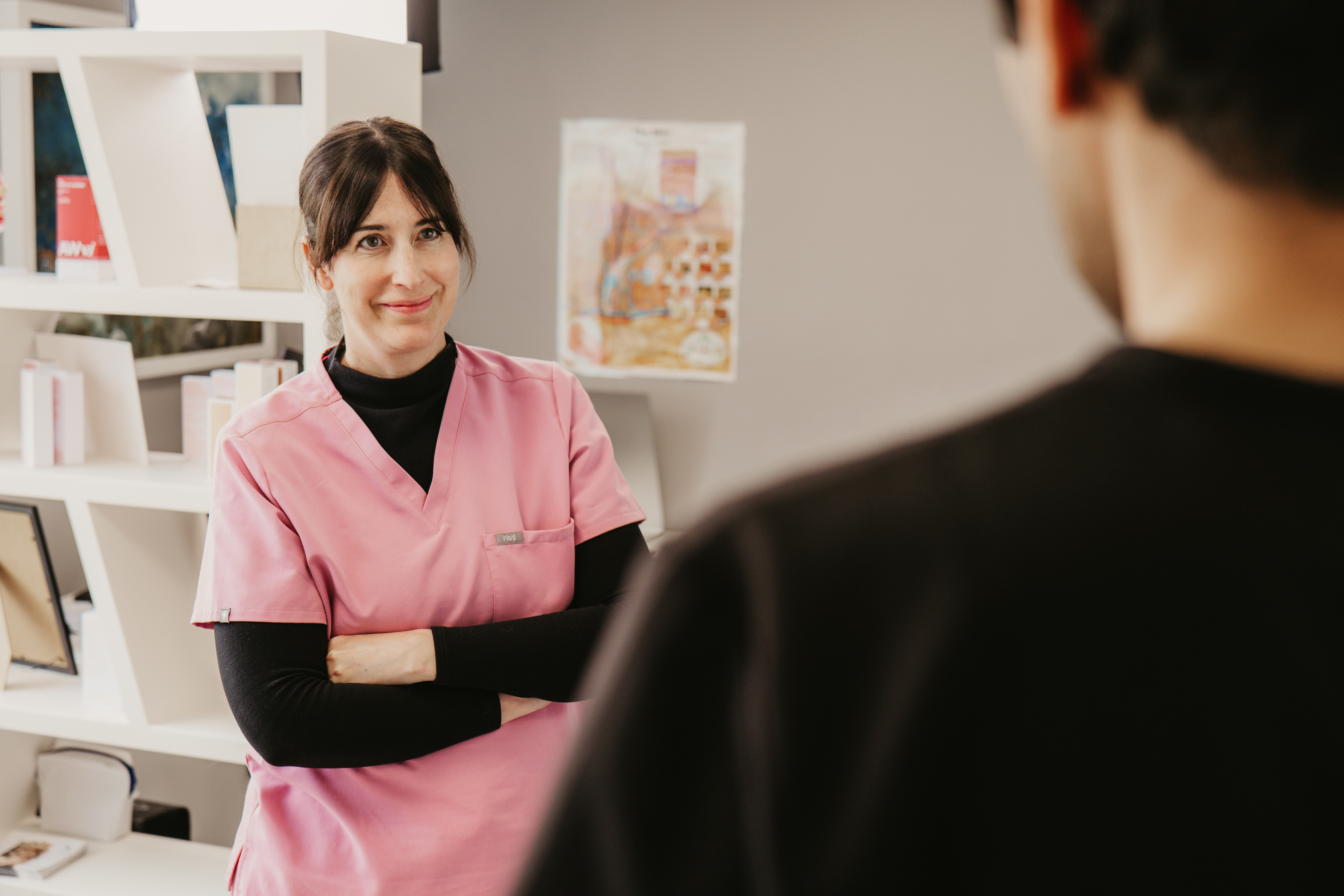
Once you understand how hormones change your skin, addressing specific concerns becomes more manageable. Here’s how you can tackle common midlife skin issues.
Managing Dry, Sensitive Skin
Dryness and sensitivity often go hand-in-hand during midlife. Hormonal changes can weaken your skin’s barrier, making it more prone to irritation. To combat this, focus on strengthening your skin’s barrier with gentle yet effective products.
Start with a soap-free cleanser to avoid stripping your skin of its natural oils. Follow up with a hydrating serum, rich in ceramides, to lock in moisture. Applying a broad-spectrum SPF every day is crucial to protect your skin from environmental damage. Consistent care will help restore your skin’s comfort and resilience.
Hormonal Acne in Adults
Hormonal acne can be frustrating, but it’s not uncommon. These stubborn blemishes often appear around the jawline and chin area, triggered by fluctuating hormones. Addressing this type of acne requires specific strategies.
Incorporate salicylic acid-infused products into your regimen to help clear pores and reduce inflammation. Consider consulting a dermatologist for prescription options like topical retinoids or oral medications. Maintaining a balanced diet and managing stress can also contribute to clearer skin.
Pigmentation and Melasma Solutions
Pigmentation issues, including melasma, often emerge during midlife due to hormonal influences. These patches of discolouration can be challenging to treat, but not impossible.
To tackle pigmentation, use products containing ingredients like vitamin C or niacinamide, known for their brightening properties. Chemical peels and laser treatments can also help improve skin tone. Regular use of sunscreen is vital to prevent further darkening of spots. Patience and persistence are key in achieving a more even complexion.
Effective Treatments and Support
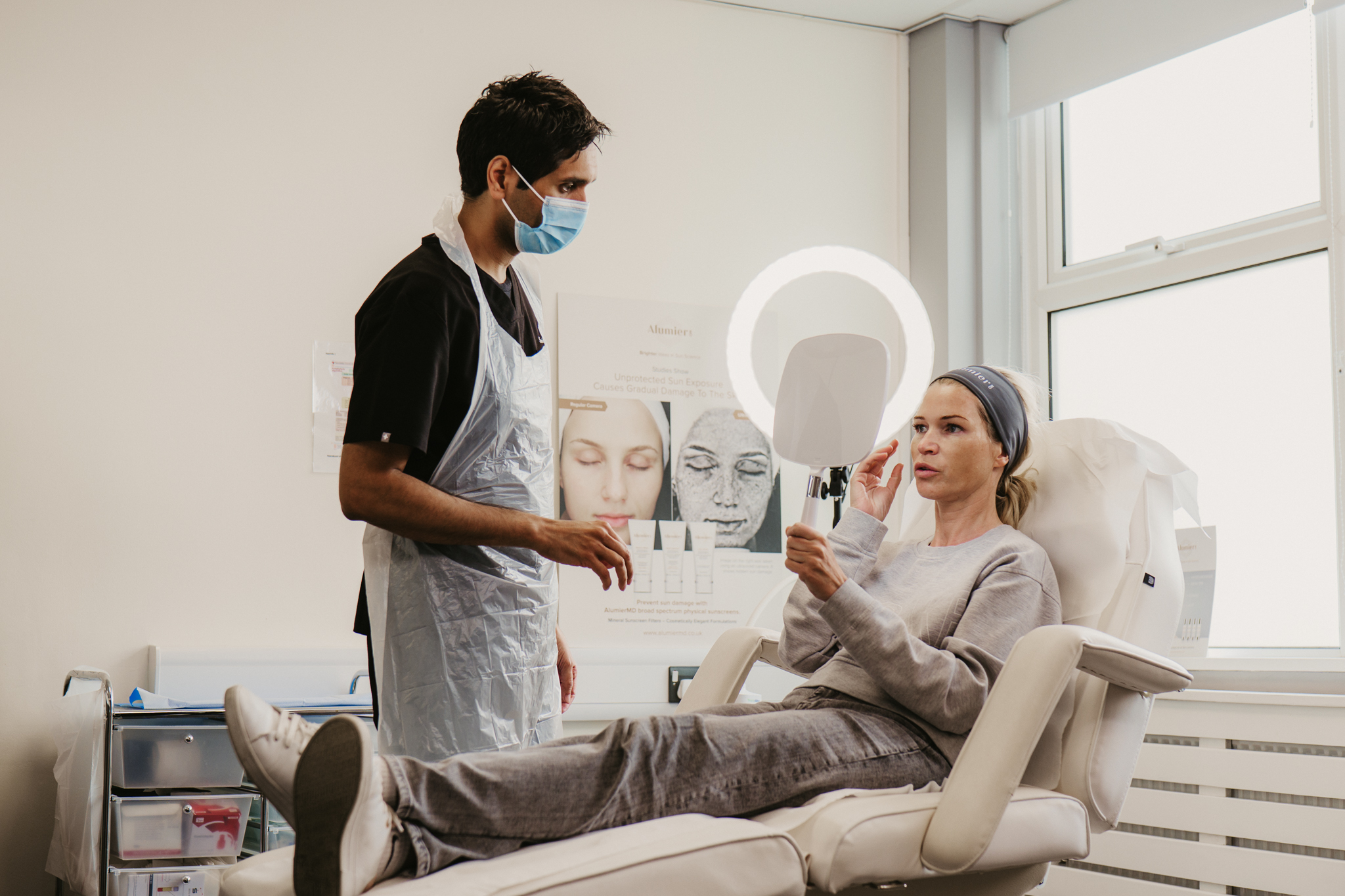
Choosing the right treatments can significantly enhance your skin’s health and appearance. Here’s how you can effectively support your skin during midlife.
Benefits of Medical-Grade Skincare
Medical-grade skincare offers potent ingredients that can transform your skin. These products are formulated with higher concentrations of active ingredients, delivering visible results.
Consider products from reputable brands recommended by dermatologists. Incorporating these into your routine can address concerns like wrinkles, pigmentation, and dullness. Remember, consistent use is essential for achieving and maintaining the best results.
Exploring Hormone Replacement Therapy (HRT)
Hormone Replacement Therapy (HRT) can have positive effects on your skin. By replenishing oestrogen levels, HRT can help improve skin elasticity and moisture retention. However, it’s essential to consult with a healthcare professional to determine if HRT is suitable for you.
Discuss the potential benefits and risks with your doctor, who can guide you through the options available. For some, HRT can be a valuable part of their skincare strategy, helping combat the effects of hormonal changes.
Aesthetic Options: Microneedling and Chemical Peels
Aesthetic treatments like microneedling and chemical peels can rejuvenate your skin effectively. Microneedling stimulates collagen production, reducing fine lines and improving texture. Chemical peels, on the other hand, exfoliate the skin, promoting cell turnover and brightening your complexion.
Learn more about microneedling and chemical peels in Rutland. These treatments are best performed by professionals who can tailor them to your skin’s needs. Combining aesthetic treatments with a good skincare routine can deliver impressive results.
Frequently Asked Questions
What causes skin changes during menopause?
During menopause, hormonal shifts, especially decreased oestrogen levels, lead to changes like dryness, sensitivity, and reduced elasticity in the skin.
Can HRT help with skin issues?
Yes, Hormone Replacement Therapy can improve skin hydration and elasticity by replenishing oestrogen levels, but it’s important to discuss this option with your healthcare provider.
How can I reduce pigmentation in midlife?
To reduce pigmentation, use products with brightening ingredients like vitamin C and consider professional treatments like chemical peels or lasers for effective results.
Is adult acne common in midlife?
Yes, adult acne can occur due to hormonal fluctuations. It can be managed with targeted skincare products and, if needed, professional treatment from a dermatologist.
What are the benefits of medical-grade skincare?
Medical-grade skincare contains high concentrations of active ingredients, offering more effective results for concerns like wrinkles, pigmentation, and skin texture.