

Midlife skin changes don’t happen by chance—they reflect shifts deep within your body, especially around perimenopause and menopause. You might notice fine lines, sagging, or stubborn pigmentation that don’t respond to usual products. Understanding what drives these changes, from oestrogen decline to collagen loss, is the first step to real, lasting improvement. Let’s explore a clear, doctor-led plan that combines smart skincare, lifestyle tips, and targeted treatments to help your skin look and feel its best. For more information, you can check resources like this one.
Biological Drivers of Midlife Skin Changes
To tackle the changes in your skin, it’s vital to understand the biological drivers behind them. Let’s explore the factors that contribute to these transformations.
Oestrogen Decline and Skin Impact
Oestrogen plays a significant role in maintaining skin health. As levels drop during midlife, you may notice your skin becoming drier and less elastic. This is because oestrogen helps regulate moisture and collagen production. When its levels decrease, skin loses its plumpness and hydration.
You might find that your skin feels thinner and more vulnerable to damage. This is a common concern among those experiencing perimenopause. By understanding this hormonal shift, you can take proactive steps to support your skin’s needs.
Collagen Loss and Elastin Breakdown
Collagen and elastin are vital proteins that keep your skin firm and elastic. As you age, the production of these proteins slows down, leading to sagging and wrinkles. This natural process occurs for everyone, but factors like UV exposure and lifestyle choices can accelerate it.
To combat this, consider treatments that boost collagen production. Regular skincare routines and professional treatments can help maintain your skin’s firmness and elasticity.
Glycation and Skin Ageing
Glycation is a lesser-known but impactful process where sugar molecules bind to proteins like collagen, making them stiff and prone to damage. This can result in skin that appears aged and less radiant. It’s more common as we age due to accumulated exposure to high-sugar diets and environmental stressors.
By managing your diet and choosing skincare products with antioxidants, you can help reduce glycation effects. This approach supports healthier, more youthful skin over time.
At-Home Skincare Strategies

Now that we’ve covered the biological drivers, let’s move on to effective at-home skincare strategies. These can make a significant difference in maintaining your skin’s health.
Retinoid Routine and Vitamin C Serum UK
Incorporating a retinoid routine can be transformative for ageing skin. Retinoids promote cell turnover, helping to reduce fine lines and improve texture. Start with a lower concentration and gradually increase as your skin adapts.
Pairing retinoids with a Vitamin C serum enhances the benefits. Vitamin C is a powerful antioxidant that brightens skin and protects against environmental damage. It’s a must-have in your skincare arsenal for tackling pigmentation and dullness.
Niacinamide Benefits and Hyaluronic Acid Hydration
Niacinamide is a versatile ingredient known for its calming properties and ability to improve skin elasticity. It helps in reducing redness and refining pores, making it suitable for all skin types.
Hyaluronic acid is another hero ingredient, renowned for its ability to hydrate. It holds up to 1,000 times its weight in water, ensuring your skin stays plump and moisturised. Incorporating these into your routine can greatly benefit your skin’s texture and appearance.
SPF 50 Daily Sunscreen for Protection
Sun protection is non-negotiable. Using a broad-spectrum SPF 50 sunscreen daily shields your skin from harmful UV rays, which accelerate ageing and increase the risk of skin cancer. Make it a habit, rain or shine, to preserve your skin’s health.
Professional Aesthetic Treatments
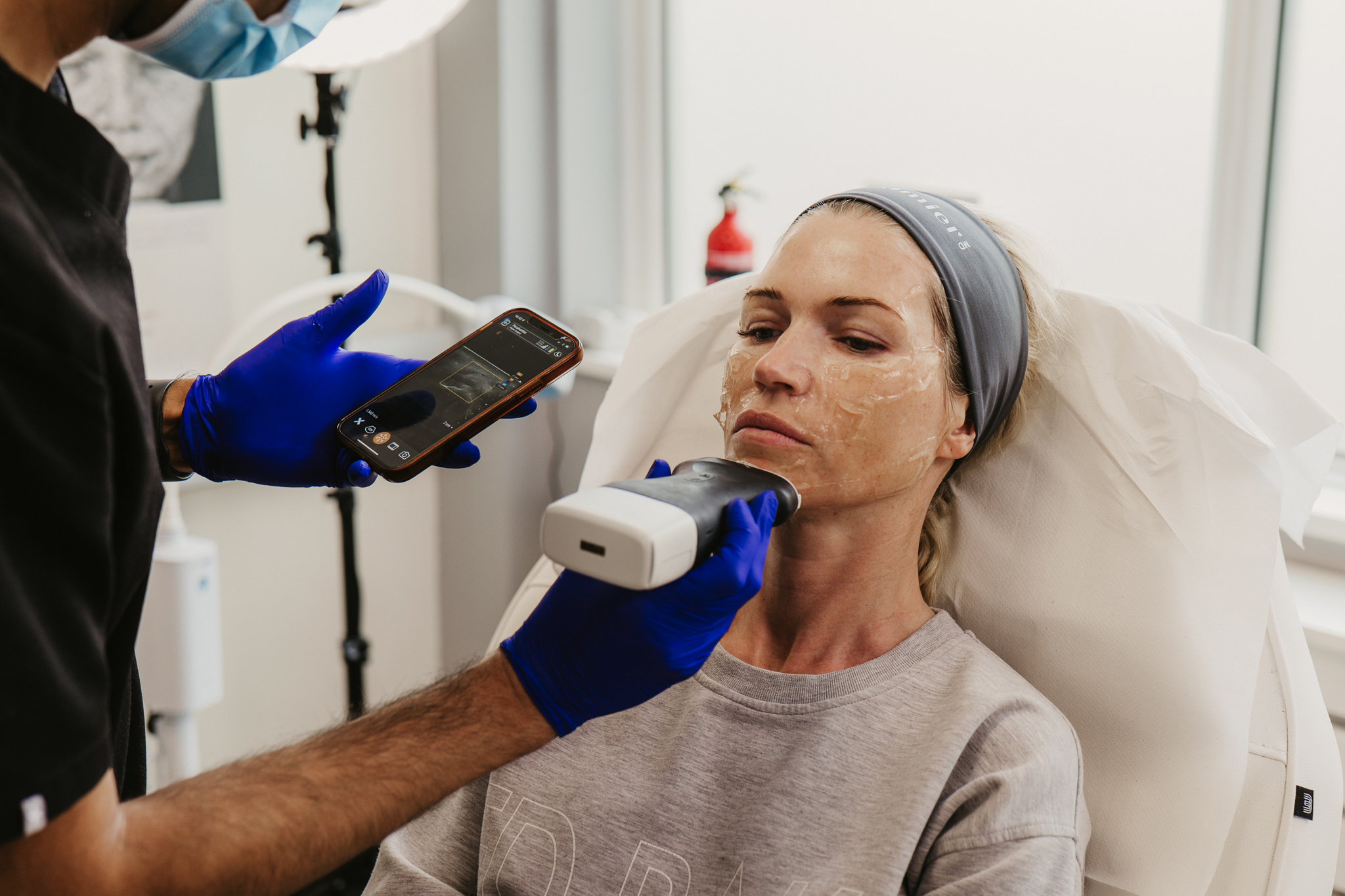
While at-home care is crucial, sometimes professional treatments can provide that extra boost your skin needs. Here are some options available at Vysana Clinic.
Skin Boosters and Dermal Fillers Rutland
Skin boosters are micro-injections that hydrate from within, enhancing your skin’s glow and texture. They’re ideal for those looking to revitalise tired-looking skin. Dermal fillers, on the other hand, restore lost volume and smooth out wrinkles, offering natural-looking results.
These treatments are quick and have minimal downtime, making them perfect for busy schedules.
Microneedling and RF Microneedling Rutland
Microneedling creates tiny punctures in the skin, stimulating collagen production. RF microneedling takes it a step further by combining radiofrequency energy, enhancing the tightening effect. These treatments are effective for reducing scars, fine lines, and improving overall skin texture.
Chemical Peels and Wrinkle-Relaxing Injections Rutland
Chemical peels exfoliate the skin, removing dead cells and promoting new growth for a smoother complexion. They can be customised to address specific concerns such as pigmentation or dullness.
Wrinkle-relaxing injections, commonly known as Botox, temporarily smooth out lines by relaxing the underlying muscles. They are a popular choice for achieving a refreshed and youthful appearance without invasive procedures.
In conclusion, understanding the biological drivers of midlife skin changes and implementing a comprehensive skincare plan can help you maintain healthy, radiant skin. Whether through at-home strategies or professional treatments, taking action now will benefit your skin in the long run. For more detailed information, consider visiting this resource.