

Post-summer sensitive skin isn’t just a nuisance—it can signal real damage beneath the surface. After months of sun, chlorine, heat, and travel, your skin’s barrier often weakens, leaving redness, flushing, and breakouts in its wake. In this guide, you’ll learn why reactive skin after holiday is so common and how to repair skin barrier effectively with a calming skincare routine designed for lasting relief.
Why Skin Becomes Reactive
After the sun-soaked days of summer, your skin might turn red and sensitive. But why does this happen?
UV Exposure and Heat
The blistering summer sun feels glorious, yet it can wreak havoc on your skin. When exposed to UV rays, your skin’s protective barrier can weaken, leading to sensitivity. The heat also causes sweating, which mixes with sunscreen and can clog pores. This combination heightens the risk of irritation and flare-ups. To combat this, ensure you’re wearing broad-spectrum sunscreen and reapplying it every two hours. A wide-brimmed hat can also add an extra layer of protection.
Chlorine and Salt Effects
Swimming in pools or the sea might cool you down, but chlorine and salt aren’t so kind to your skin. Chlorine strips away natural oils, leaving your skin dry and itchy. Salt water can dehydrate your skin, exacerbating any existing dryness. After swimming, rinse off promptly and apply a hydrating moisturiser to restore your skin’s natural balance. Consider products with soothing ingredients like aloe vera to calm inflammation.
Over-Exfoliation and Potent Actives
Many people over-exfoliate or use too many active ingredients during summer, thinking more is better. This can damage the skin barrier, leading to increased sensitivity. Exfoliating too much strips away the top layer of skin, making it vulnerable. Limit exfoliation to once or twice a week and choose gentle formulas. If you’re using actives like retinol or acids, ensure they’re balanced with soothing, hydrating products to maintain skin health.
Calming The Skin Properly
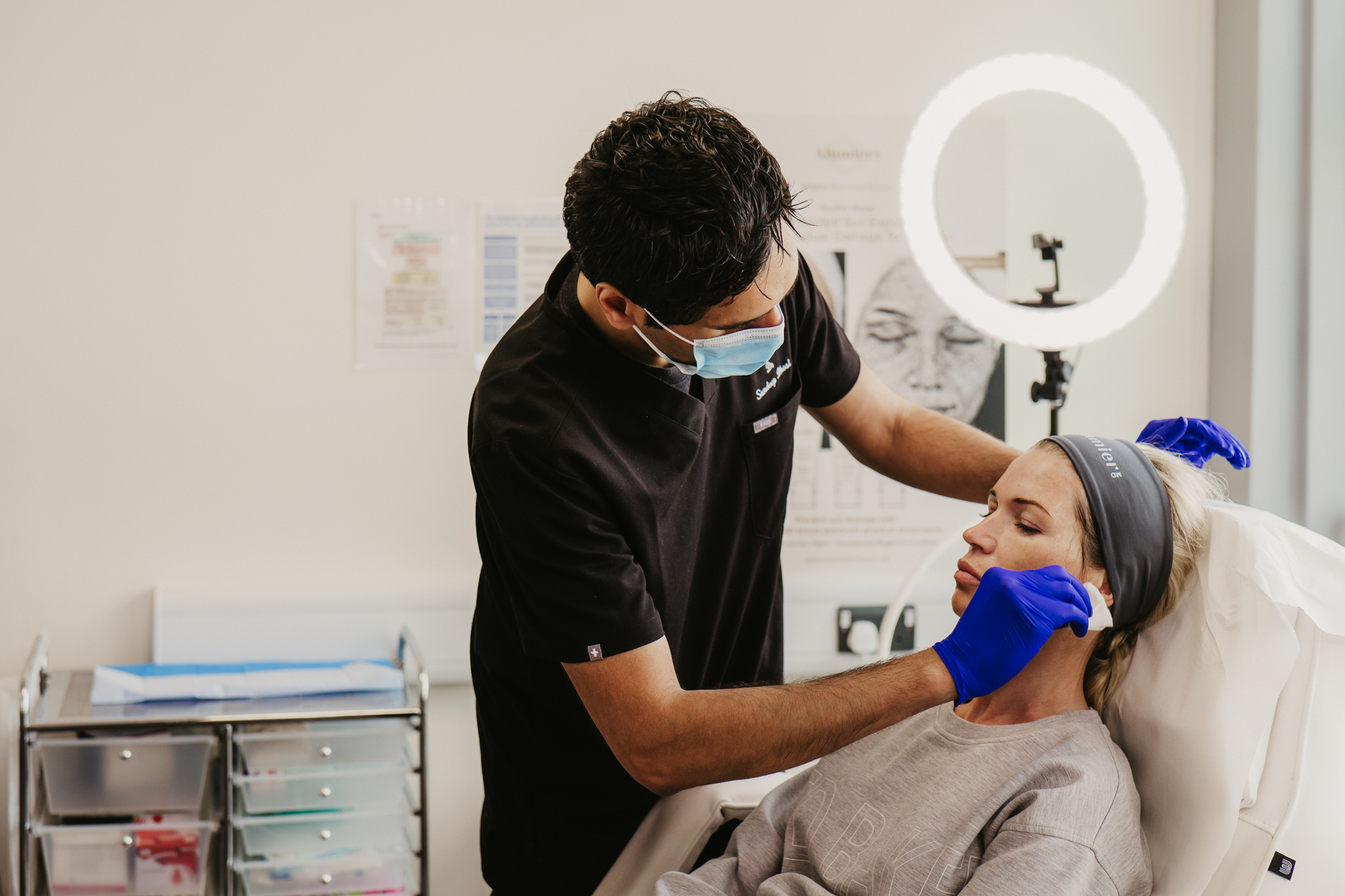
To soothe your sensitised skin, a focused approach is essential. Here’s how to incorporate a calming routine.
Calm-Down Protocol Essentials
A gentle skincare routine can work wonders for reactive skin. Start with a non-foaming cleanser to avoid stripping your skin. Follow with a hydrating toner to lock in moisture. Choose a barrier repair moisturiser to strengthen your skin and prevent moisture loss. Remember, consistency is key; stick to this routine morning and night.
Recommended Skincare Ingredients
Certain ingredients can help soothe and repair your skin. Look for products containing ceramides, which are essential for a strong skin barrier. Niacinamide can also reduce redness and calm irritation. Another hero ingredient is hyaluronic acid, which hydrates without clogging pores. By focusing on these ingredients, you’re giving your skin the best chance to recover.
Lifestyle Tweaks for Sensitised Skin
Small lifestyle changes can significantly impact how your skin feels. Drink plenty of water to keep your skin hydrated from the inside out. Avoid hot showers, which can further dry out your skin. Instead, opt for lukewarm water and finish with a cool rinse. Incorporate stress-reducing activities like yoga or meditation, as stress can exacerbate skin sensitivity.
When to Seek Professional Help
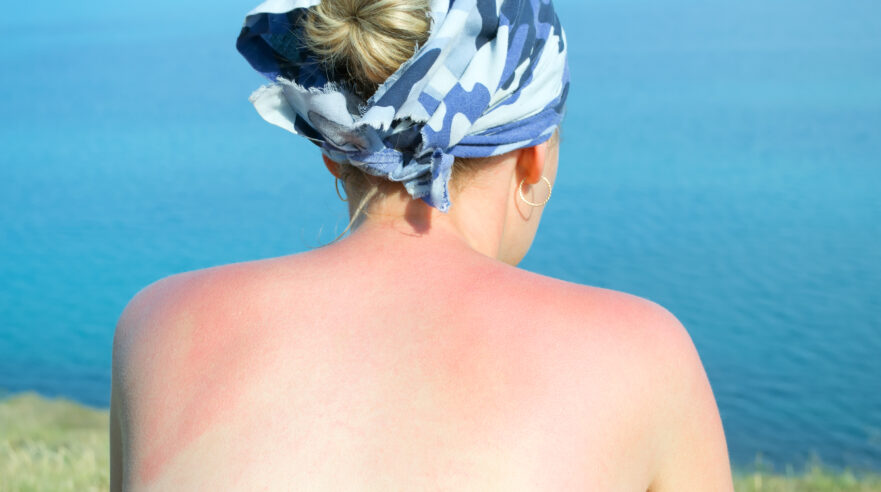
Sometimes, home care isn’t enough for persistent skin issues. Here’s when to consider professional advice.
Signs of Persistent Sensitivity
If your skin remains red and irritated despite your best efforts, it might be time to seek help. Signs include continuous breakouts, severe dryness, or discomfort that doesn’t improve. These symptoms might indicate a more serious condition that requires medical attention.
Conditions Requiring Doctor Care
Certain skin conditions should be addressed by a medical professional. If you suspect conditions like rosacea or eczema, a doctor can provide a proper diagnosis and treatment plan. They might recommend treatments like LED light therapy for inflammation or prescribe topical medications to manage symptoms.
Vysana Clinic’s Expertise and Services
Vysana Clinic, under Dr. Sunny Dhesi’s leadership, offers expert care for reactive skin. They provide comprehensive assessments and tailor treatments to individual needs. Whether you need a private GP skin consultation in Rutland or are interested in medical-grade skincare advice, their services are designed for optimal skin health and resilience.
Frequently Asked Questions
What is the best way to treat post-summer sensitive skin?
To treat sensitive skin after summer, use a gentle cleanser, a barrier repair moisturiser, and products with soothing ingredients like ceramides and hyaluronic acid.
How can I protect my skin from chlorine damage?
Rinse off immediately after swimming and apply a hydrating moisturiser to restore your skin’s natural oils. Look for products with aloe vera to soothe irritation.
When should I see a doctor for sensitive skin?
Consider seeing a doctor if your skin shows continuous redness, discomfort, or persistent breakouts that don’t improve with home care.
What lifestyle changes help with sensitised skin?
Stay hydrated, avoid hot showers, and practice stress-reducing activities like yoga or meditation to help manage skin sensitivity.
What treatments does Vysana Clinic offer for sensitive skin?
Vysana Clinic offers personalised skin assessments, medical-grade skincare advice, and treatments like LED light therapy for inflammation.