

You might not realise it, but your face changes in ways that can make you look more tired in midlife. These shifts go beyond just a bad night’s sleep—they involve hormones, collagen loss, and lifestyle factors all working together. Understanding why your face looks tired now can guide you towards safe, doctor-led solutions that actually work. For more information on how to tackle these changes, visit Vysana Clinic.
Understanding Midlife Facial Changes
As you journey through midlife, your skin undergoes transformations that might leave you looking tired. This phase involves several key changes.
Collagen Loss and Ageing Skin
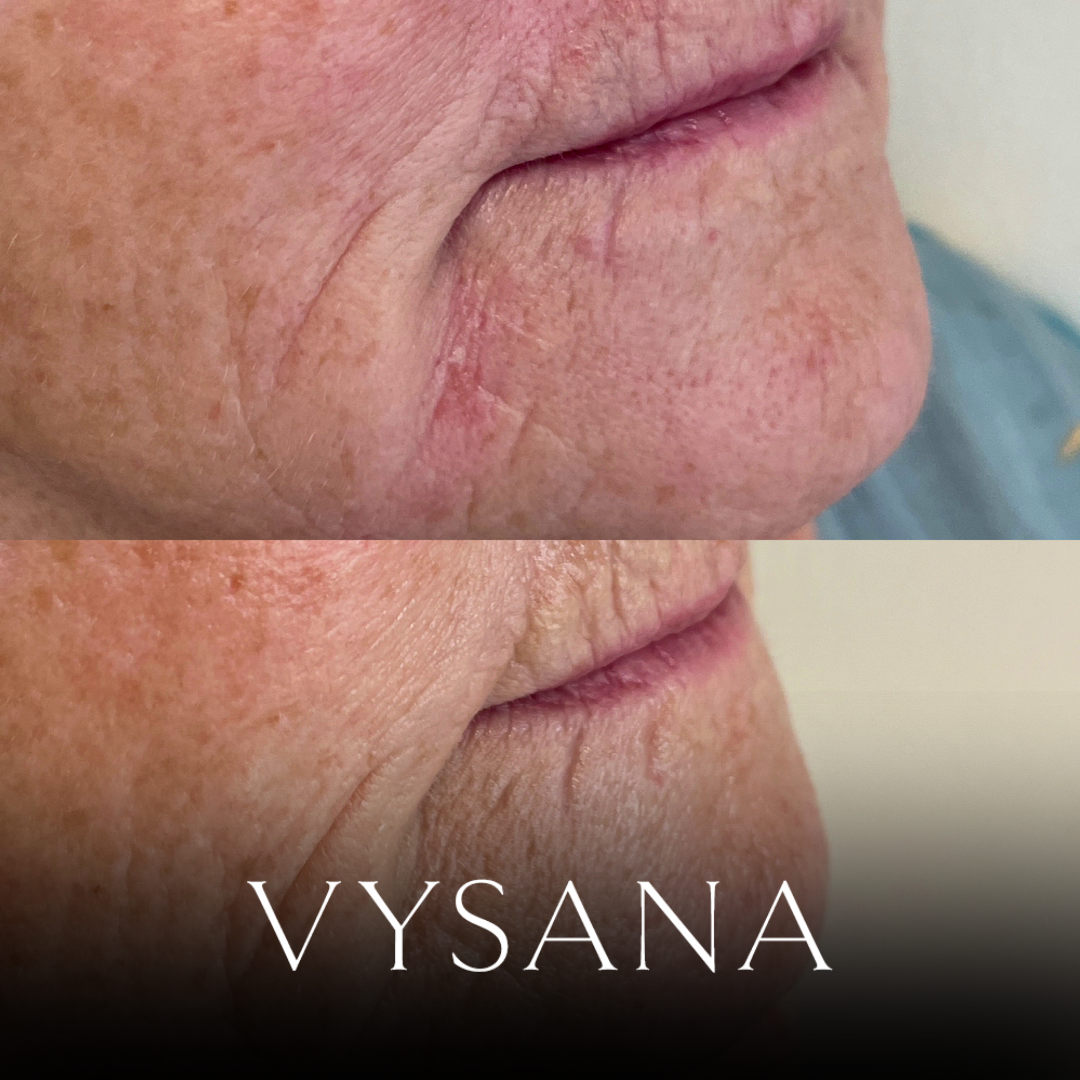
Collagen is a vital protein that keeps your skin firm and youthful. Unfortunately, as you age, your body produces less collagen. This reduction leads to skin laxity and the appearance of fine lines. Picture your skin like a sofa cushion that loses its plumpness over time. Without ample collagen, your skin may start to sag, contributing to a tired look.
Oestrogen Decline and Skin Health
Oestrogen plays a crucial role in maintaining skin health. As oestrogen levels fall during perimenopause and menopause, you might notice your skin becoming drier and thinner. Oestrogen helps to keep skin hydrated and supple. Without it, your skin may lose its youthful glow, enhancing a tired appearance.
Volume Loss in the Midface
As you age, fat pads in your face start to diminish. This volume loss is especially noticeable in the midface area, such as the cheeks. The result is a hollowed look that can make you appear older and more fatigued. Imagine a balloon slowly deflating—similarly, your face loses the fullness associated with youth.
Factors Contributing to a Tired Appearance
Beyond natural ageing, various factors can accentuate a weary look. These influences may seem minor, but they add up over time.
Glycation and Ageing Skin
Glycation occurs when sugar molecules bind to proteins like collagen, making them stiff and less functional. This process can age your skin prematurely, resulting in a dull and tired look. Frequent sugar consumption can accelerate this effect, so consider moderating your intake for skin health.
Stress, Cortisol, and Skin Impact
Stress is a silent contributor to skin ageing. When you’re stressed, your body releases cortisol, a hormone that can break down collagen. This stress response can cause your skin to thin and lose elasticity, making you appear more tired. Managing stress through relaxation techniques can help preserve skin vitality.
Sleep’s Role in Skin Health
Quality sleep is fundamental for skin rejuvenation. During sleep, your body repairs and regenerates cells. Lack of sleep disrupts this process, leading to dark circles and a dull complexion. Prioritizing rest can visibly improve your skin, making you look more refreshed and alert.
Solutions for Midlife Skin Concerns
Fortunately, there are effective solutions to counter these changes and restore a youthful complexion.
Doctor-Led Aesthetics in Rutland
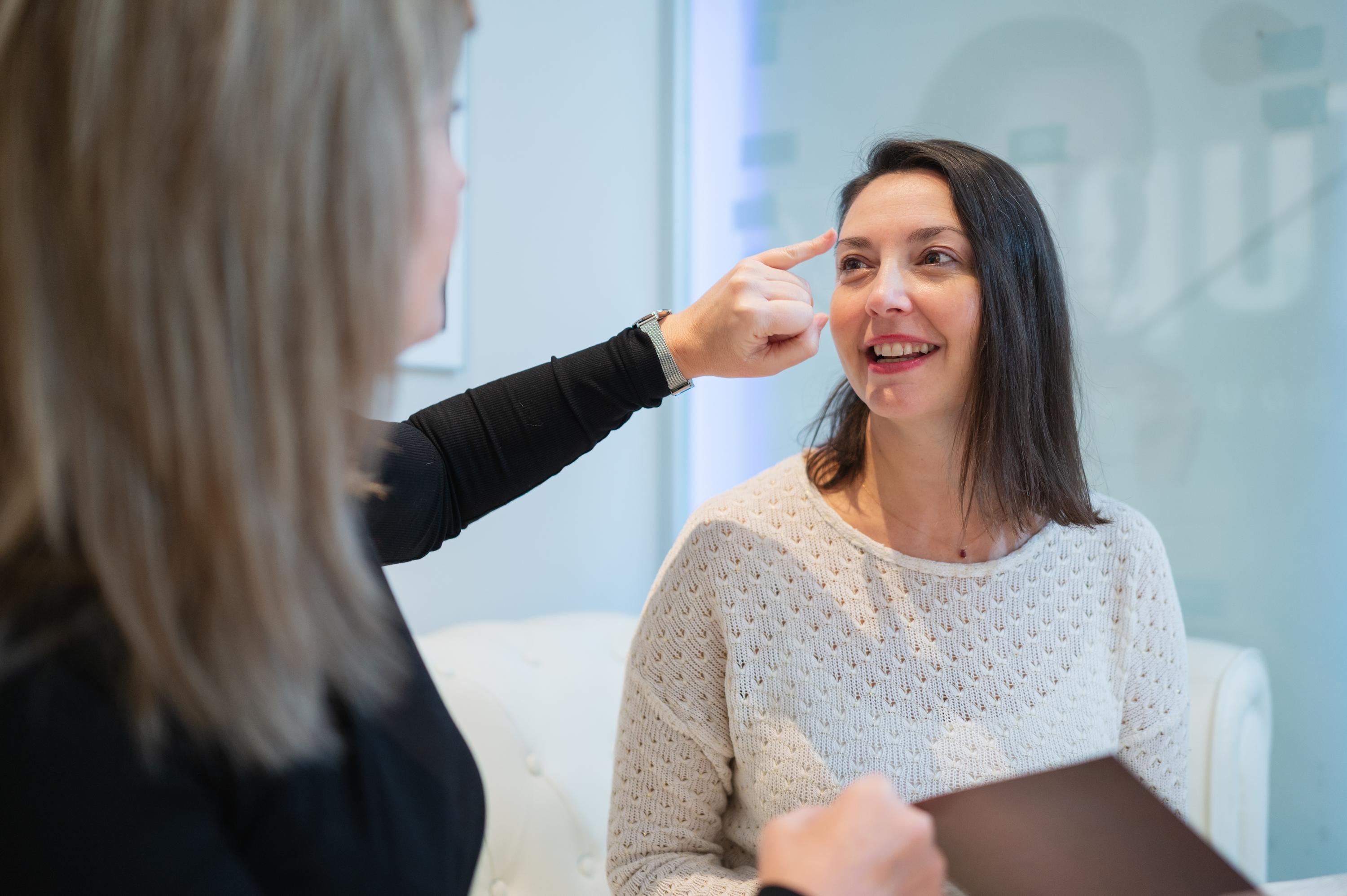
At Vysana Clinic, expert-led treatments are designed to address skin concerns with precision. With a focus on natural results, these treatments enhance your features without drastic changes. Consulting a professional ensures that your skin is treated with expert care and tailored solutions.
Natural Dermal Fillers and Skin Boosters
Dermal fillers can restore volume and smooth wrinkles, providing a subtle lift. Skin boosters, on the other hand, hydrate and enhance skin texture. These treatments offer a natural-looking improvement, making you appear refreshed without looking “done.”
Medical-Grade Skincare in the UK
Using medical-grade skincare products can significantly improve skin health. These formulations contain high concentrations of active ingredients that target specific concerns. By incorporating them into your routine, you can maintain skin vitality and combat signs of ageing effectively.
Frequently Asked Questions
What causes midlife facial changes?
Midlife facial changes are primarily caused by collagen loss, oestrogen decline, and volume reduction in the face. These factors contribute to a tired appearance as the skin loses firmness and elasticity.
How does stress affect my skin?
Stress increases cortisol levels, which can break down collagen and lead to thinner skin. This process can make your skin look more tired and aged over time.
Are there effective treatments for midlife skin concerns?
Yes, treatments such as doctor-led aesthetics, natural dermal fillers, and medical-grade skincare products can address midlife skin concerns. These solutions help restore volume, smooth wrinkles, and improve skin texture for a rejuvenated look.
How important is sleep for skin health?
Sleep is crucial for skin health, as it allows the body to repair and regenerate skin cells. Lack of sleep can lead to a dull complexion and dark circles, making you look more tired.
Can lifestyle changes improve my skin’s appearance?
Absolutely. Reducing sugar intake, managing stress, and getting enough sleep can all enhance your skin’s appearance. These lifestyle changes support skin health and help combat signs of ageing.