

As the chill of autumn settles over Rutland, your skin may suddenly feel tighter, redder, or more irritable than usual. This common shift, known as autumn skin sensitivity, happens because changes in weather, central heating, and hormonal fluctuations disrupt your skin’s natural barrier. At Vysana Clinic, we connect these factors to your overall health and offer personalised, doctor-led plans to restore balance and calm your skin effectively. Let’s explore what really triggers this sensitivity and how you can protect your skin this season. For more insights, you can refer to this guide on fall allergic skin reactions.
Understanding Autumn Skin Sensitivity
As the leaves change, so does your skin. Let’s explore the reasons behind autumn skin sensitivity and what triggers these changes.
Weather Shifts and Your Skin
When the air turns crisp, your skin often reacts. The drop in temperature and humidity can strip moisture, making your skin feel dry and tight. Cold air can lead to increased transepidermal water loss (TEWL), a process where moisture escapes from your skin. This can cause your skin to feel parched and sensitive. To keep your skin happy, it’s crucial to maintain hydration levels throughout the season, which can help balance the moisture your skin loses to the environment.
Central Heating and Dryness
As you crank up the heat indoors, your skin faces another challenge. Central heating can reduce indoor humidity levels, leading to dry skin. This dry air extracts moisture from your skin, leaving it feeling tight and sometimes flaky. To counteract this, consider using a humidifier to add moisture back into the air. It’s also beneficial to choose skincare products that offer intense hydration, helping to maintain your skin’s moisture levels even when the air inside is dry.
Hormonal Changes in Perimenopause
Hormonal shifts, particularly during perimenopause, can also affect your skin. As oestrogen levels fluctuate, your skin may become drier and more sensitive. These hormonal changes can alter your skin’s natural barrier, making it more prone to irritation. Supporting your skin with products that strengthen its barrier and offer additional hydration can help manage these changes. For more on how hormones affect your skin, you might find this Healthgrades article helpful.
Calming Sensitive Skin at Home
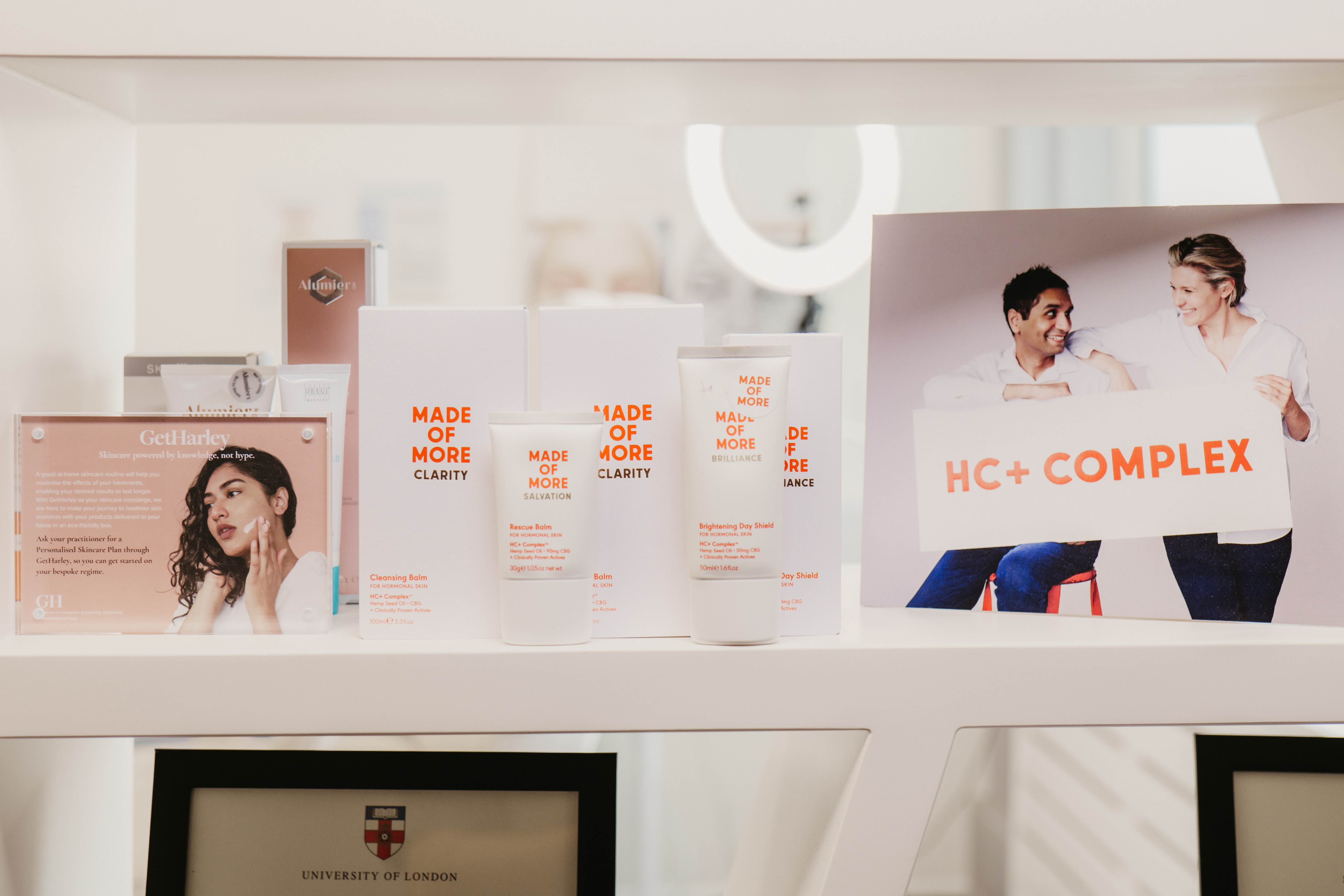
You can take practical steps at home to calm your sensitive skin and restore its balance.
Effective Skin Barrier Repair
Repairing your skin barrier is key to reducing sensitivity. Start by using gentle cleansers that don’t strip away natural oils. Look for ingredients like ceramides, which help restore and strengthen your skin’s barrier. By focusing on barrier repair, you give your skin a better defense against environmental stressors, keeping it healthy and resilient.
Choosing the Right Moisturisers
Selecting the right moisturiser is essential. Opt for products rich in ceramides and hyaluronic acid to provide deep hydration. These ingredients help lock in moisture, preventing your skin from drying out. Regular application of a suitable moisturiser can help maintain your skin’s hydration levels, keeping it supple and less prone to irritation.
The Role of Niacinamide and Azelaic Acid
Incorporating niacinamide and azelaic acid into your routine can offer additional benefits. Niacinamide strengthens your skin’s barrier and improves moisture retention. Azelaic acid helps calm redness and irritation, making it ideal for sensitive skin types. Using products with these ingredients can enhance your skin’s resilience and improve its overall texture.
Professional Solutions at Vysana Clinic
For those seeking professional solutions, Vysana Clinic offers advanced treatments to help manage and soothe sensitive skin.
In-Clinic LED Light Therapy
LED light therapy can be an effective treatment for calming sensitive skin. It uses low-level light to reduce inflammation and promote healing. This non-invasive treatment can help improve your skin’s appearance and sensitivity over time, offering a soothing solution for irritated skin.
Gentle Chemical Peels: PHA Options
For those looking to refresh their skin, gentle chemical peels can help. Polyhydroxy acids (PHAs) provide a mild exfoliation, removing dead skin cells without irritation. PHAs are suitable for sensitive skin, helping to enhance texture and tone while maintaining your skin’s health.
Personalised Skincare Consultations
At Vysana Clinic, personalised consultations ensure you receive skincare tailored to your needs. Our expert-led approach considers your skin’s unique requirements, providing targeted treatments that address your concerns effectively. By understanding your skin, we can offer solutions that truly work for you.
Frequently Asked Questions
How can I prevent autumn skin sensitivity?
Preventing autumn skin sensitivity involves maintaining hydration and protecting your skin barrier. Use products with ceramides and hyaluronic acid, and consider a humidifier to add moisture indoors.
What ingredients should I look for in a moisturiser for sensitive skin?
Look for moisturisers containing ceramides and hyaluronic acid. These ingredients help retain moisture and strengthen your skin’s barrier, reducing sensitivity.
Is LED light therapy safe for sensitive skin?
Yes, LED light therapy is safe for sensitive skin. It reduces inflammation and promotes healing without causing irritation, making it an effective option for calming sensitive skin.
What are the benefits of niacinamide for my skin?
Niacinamide helps strengthen your skin’s barrier, enhances moisture retention, and reduces redness and irritation. It’s a versatile ingredient beneficial for sensitive skin.
How can hormonal changes affect my skin during autumn?
Hormonal changes, especially during perimenopause, can make your skin drier and more sensitive. Supporting your skin with hydrating products can help manage these changes effectively.