

Your skin can look strikingly different under bright daylight, revealing flaws that stay hidden indoors. This natural light exposes true skin tone, texture, and subtle red or pigmented areas with no filters. Understanding why skin looks different in daylight helps you see what’s really going on beneath the surface—and guides smarter care choices. Let’s unpack what your skin is telling you and how a doctor-led approach at Vysana Clinic can help you age well with confidence. For more on light sensitivity, you can visit this resource.
Understanding Skin Changes in Daylight
When daylight hits your skin, it unveils a whole new dimension. Let’s explore what this means for your skin.
Natural Light and True Skin Tone
Natural light can make your true skin tone appear different. This is because sunlight offers a full spectrum of light that artificial lights often lack. So, when you step outside, you might notice nuances in your skin you didn’t see indoors. This can include redness or uneven tones that were hidden away.
It’s fascinating how daylight acts as a mirror, showing the real canvas of your skin. These differences aren’t always flaws; they’re indicators of what’s happening underneath. Recognizing these changes helps you make informed choices about skin care and protection. Next time you’re outside, take a moment to notice these nuances and consider what they might be telling you.
Texture and Visible Pores in Sunlight
Sunlight has a way of highlighting the texture of your skin. If you’ve ever noticed your pores looking larger or more defined, you’re not imagining things. Sunlight can exaggerate these elements due to the way it reflects off your skin.
This doesn’t mean your skin is suddenly different; it’s just that daylight offers a different view. Knowing this can help you address skin care needs more precisely. For some, it might mean focusing on hydration or adjusting their cleansing routine to manage pore appearance. Understanding this interplay can transform how you see your skin and care for it.
Hyperpigmentation and Melasma
For those dealing with hyperpigmentation or melasma, daylight can be revealing. The sun’s rays can intensify these dark spots, making them more noticeable. This occurs because## Understanding Skin Changes in Daylight
Natural light has a unique way of showing your skin’s true colours. It reveals what’s beneath the surface that artificial light might hide. Let’s delve into how daylight impacts the skin’s appearance.
Natural Light and True Skin Tone
Have you ever noticed that your skin seems different when you step outside? Natural light reflects your true skin tone. It highlights undertones, whether warm, cool, or neutral. Unlike artificial lighting, which can cast shadows or alter perception, daylight provides an honest reflection. This accurate portrayal allows you to see subtle differences, helping you choose products that match your natural complexion better.
Texture and Visible Pores in Sunlight
Sunlight has a way of magnifying the texture of your skin. It makes pores more visible and highlights uneven surfaces. This can be unsettling if you’re not used to seeing these details. However, understanding that everyone has pores and textures is key. Rather than striving for perfection, focus on maintaining healthy skin. Regular cleansing and gentle exfoliation can help keep your skin smooth, but remember, texture is normal.
Hyperpigmentation and Melasma
Daylight can also bring attention to areas of hyperpigmentation and melasma. These are darker skin patches that occur due to various factors, including sun exposure and hormonal changes. While they may seem more pronounced in natural light, they are common skin conditions. Protect your skin with SPF daily to prevent these spots from darkening further. For persistent issues, professional treatments can help.
The Science Behind Daylight Effects
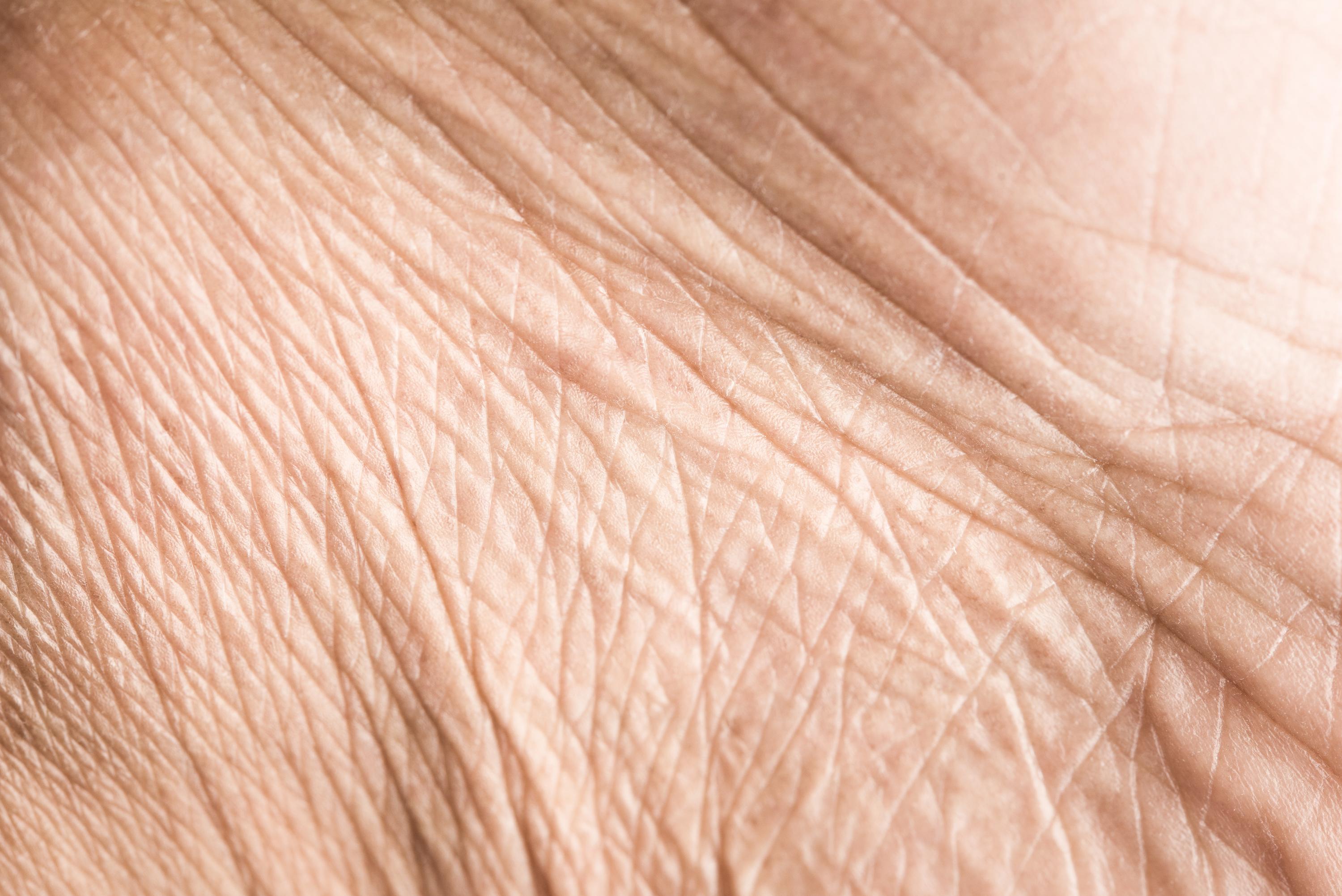
Understanding the science can demystify why your skin looks different in daylight. It’s about how light interacts with your skin and the biological responses that follow.
Optics and Colour Accuracy
Daylight provides the most accurate colour representation, unlike artificial lighting, which often distorts hues. This accuracy reveals imperfections and true colours, crucial for making informed skincare decisions. It guides you in choosing the right makeup shades and skincare treatments that work harmoniously with your natural tone.
Vascular and Hormonal Influences
Your skin’s appearance in natural light is also affected by vascular and hormonal changes. Blood vessels can be more visible, leading to redness that might not be noticeable indoors. Hormonal fluctuations can exacerbate these changes, especially during certain life stages. Understanding these influences allows you to approach skincare with empathy and knowledge.
UV and Photoageing Factors
Daylight comes with UV exposure, a leading cause of photoageing. This includes wrinkles, loss of elasticity, and uneven pigmentation. It’s essential to use sun protection daily to combat these effects. Even on cloudy days, UV rays can penetrate and cause damage. Protecting your skin from UV exposure is a vital step in maintaining its youthfulness and health.
Practical Steps for Skin Health
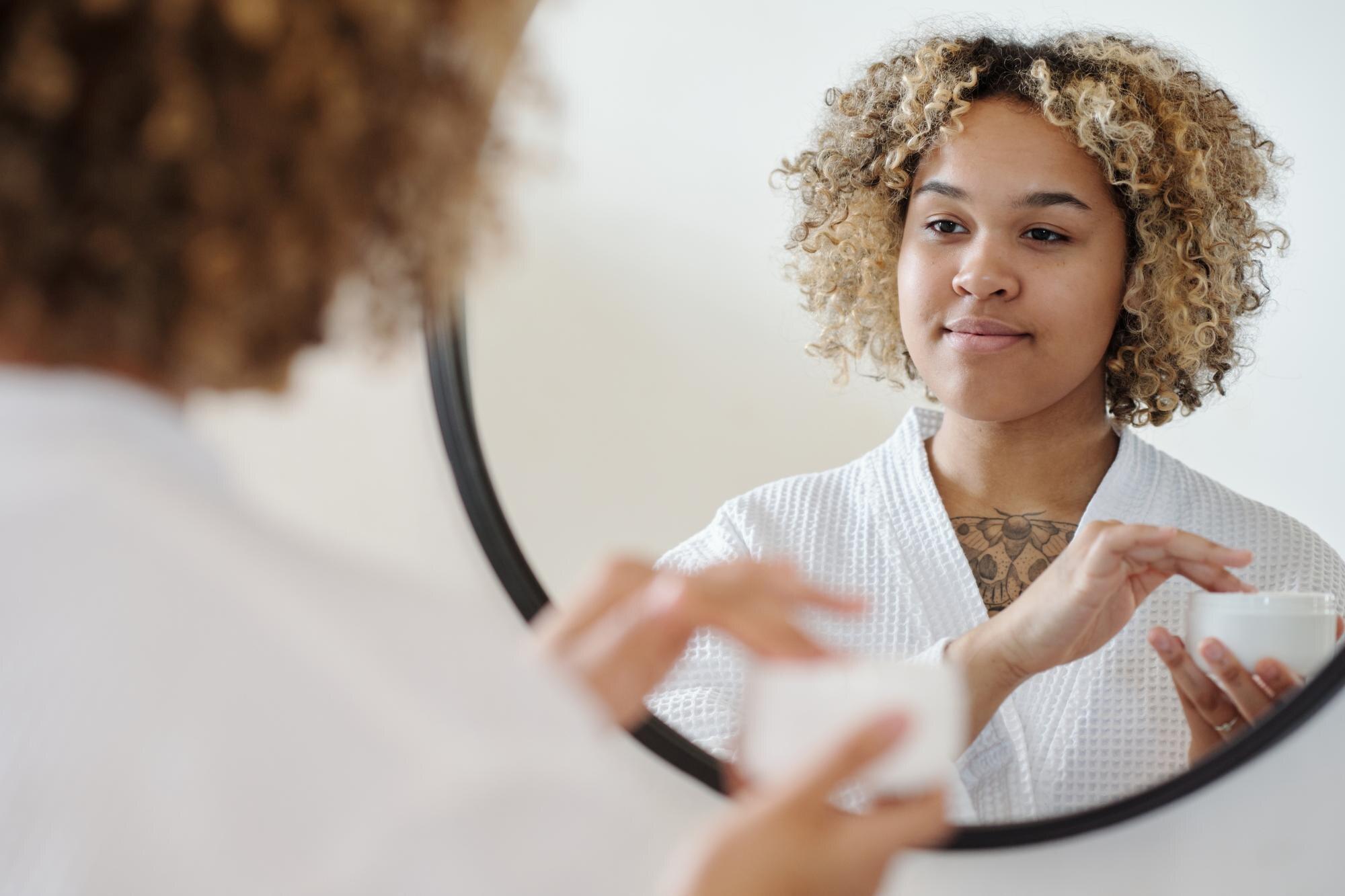
Taking care of your skin involves addressing different aspects, from hydration to professional treatments. Here’s how to maintain healthy skin.
Addressing Skin Barrier and Dehydration
A healthy skin barrier is crucial for keeping moisture in and irritants out. If your skin feels tight or dry, it might be dehydrated. Use a gentle cleanser, a hydrating serum, and a richer moisturiser to restore balance. Avoid hot showers, which can strip natural oils. Remember, well-hydrated skin feels soft and comfortable.
Oil Shine vs Dryness Management
Balancing oil and dryness is key. If your skin gets shiny during the day, it could be producing excess oil to compensate for dryness. Use a lightweight, oil-free moisturiser to keep skin hydrated without clogging pores. Blotting papers can help manage shine without disrupting your makeup.
Doctor-led Aesthetic Treatments in Rutland
For those seeking professional guidance, doctor-led treatments offer a safe and effective path. At Vysana Clinic, expert-led care ensures that aesthetic treatments align with your skin’s biology and health goals. From addressing pigmentation to refining texture, customised plans are available to meet your unique needs. Trusting a professional can provide peace of mind and long-term results.
Frequently Asked Questions
Why does my skin look worse in natural light?
Natural light is unfiltered and shows true skin tones, textures, and imperfections, unlike artificial lighting which can hide or alter them.
How can I manage visible pores in sunlight?
Keep your skin clean and exfoliated regularly. Use non-comedogenic products to prevent clogging, and consider treatments for long-term improvement.
What causes hyperpigmentation to worsen in daylight?
Sun exposure can darken hyperpigmented spots. Use SPF daily and seek professional advice for persistent concerns.
How does UV exposure lead to photoageing?
UV rays cause damage that accumulates over time, leading to wrinkles and loss of skin elasticity. Daily sun protection is crucial.
What are doctor-led aesthetic treatments?
These treatments are conducted by medical professionals who consider your overall health, ensuring safe and effective results tailored to your skin’s needs.