

Autumn dry skin hits many of us as soon as the cooler air sets in, leaving your face tight, flaky, or uncomfortable. The shift in UK weather, combined with central heating and longer hot showers, strips moisture from your skin more than you might realise. Understanding why your skin barrier weakens and how transepidermal water loss plays a role is key to finding fixes that actually work. Let’s walk through simple, doctor-approved steps to restore hydration and spot when it’s time to get professional advice. Learn more.
Understanding Autumn Skin Dryness
In autumn, your skin often feels drier, leaving you searching for solutions. Let’s dive into why this happens and what you can do about it.
Why Is My Skin Dry in Autumn?
Cooler weather can make your skin feel dry and uncomfortable. The shift from warm to chilly affects your skin’s natural moisture balance. When temperatures drop, your skin loses hydration faster due to increased transepidermal water loss. This means water escapes from your skin more readily, leaving it feeling tight and dry. With cooler weather, you might also take longer hot showers, which strip away natural oils. Central heating further dries out the air in your home, compounding the problem.
Common Triggers and Their Effects
Common triggers like cold winds and indoor heating can wreak havoc on your skin. Cold air holds less moisture, so stepping outside can instantly dry out your skin. Indoors, central heating creates a dry environment, leading to flaky skin. This dryness can make your skin appear dull and more prone to irritation. Over time, these factors weaken your skin’s barrier, making it more susceptible to environmental damage.
The Science of Skin Barrier Repair
Repairing your skin’s barrier is key to combating dryness. Your skin barrier is like a protective shield, keeping moisture in and irritants out. When it’s compromised, your skin can’t retain moisture effectively. To restore it, focus on using products that support barrier function. Ingredients like ceramides and fatty acids can help replenish your skin’s natural lipids. This not only locks in moisture but also strengthens your skin against autumn’s harsh conditions.
Quick Fixes for Dry, Flaky Skin
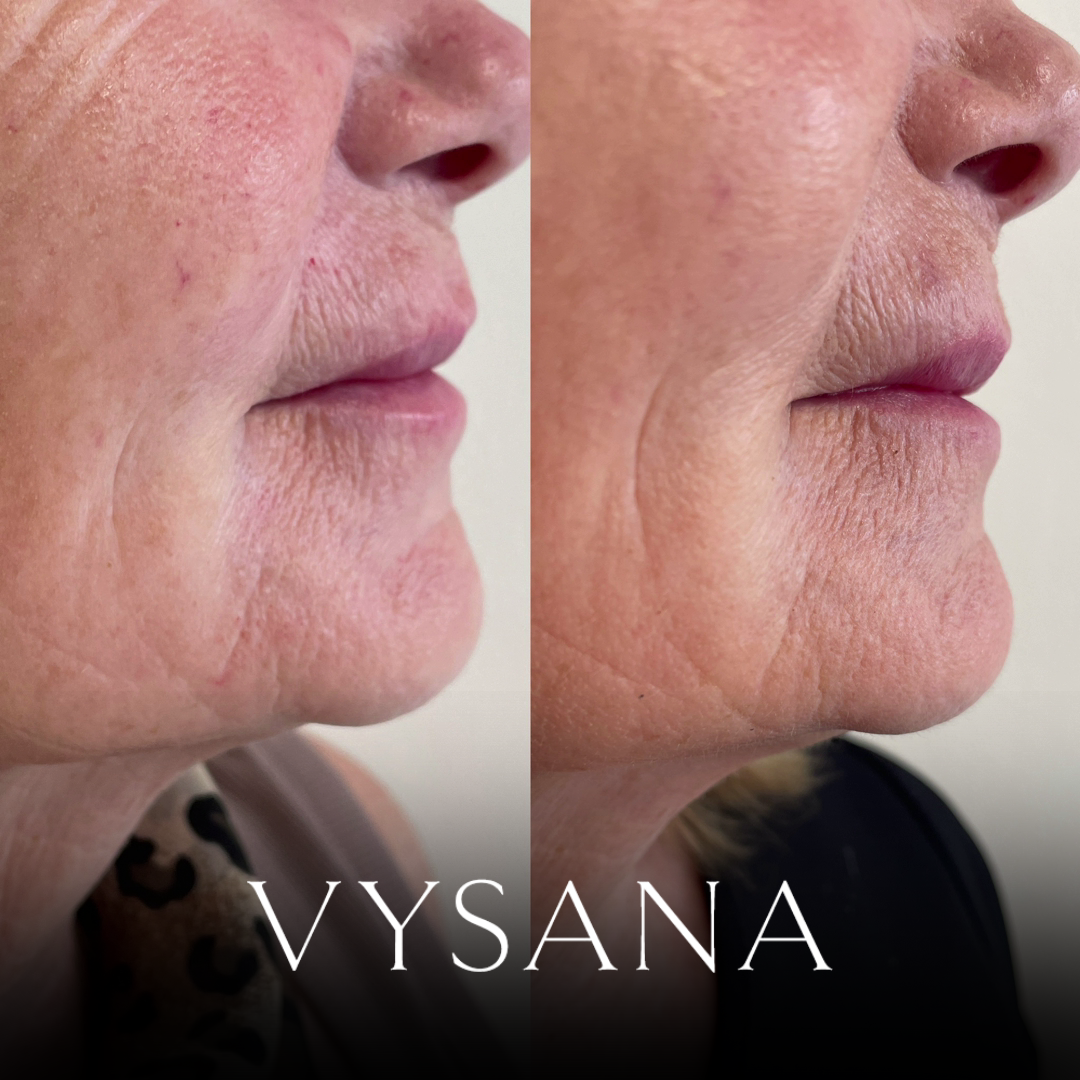
Now that you understand the causes, let’s explore simple steps to combat dry, flaky skin and restore moisture effectively.
Gentle Cleanser and SLS-Free Options
Start with a gentle cleanser to prevent irritation. Harsh soaps can strip your skin of its natural oils, worsening dryness. Look for a cleanser that’s free from SLS (Sodium Lauryl Sulfate), a common ingredient that can be drying. Opt for creamy or oil-based formulas that cleanse without leaving your skin feeling tight. By choosing a mild cleanser, you’re helping maintain your skin’s natural moisture balance.
Moisturising with Ceramides and Fatty Acids
A ceramide-rich moisturiser can work wonders for dry skin. Ceramides are lipids that help form your skin’s barrier and retain moisture. Using products containing ceramides can rebuild your skin’s barrier and lock in hydration. Additionally, moisturisers with fatty acids nourish your skin, providing the essential nutrients it needs to stay supple. Apply your moisturiser immediately after cleansing to maximise its effectiveness.
Hyaluronic Acid on Damp Skin
Hyaluronic acid is a hydration powerhouse. It draws moisture to your skin, making it an excellent choice for combating dryness. Apply it to damp skin for optimal absorption. This ingredient can hold up to 1,000 times its weight in water, providing a moisture boost that lasts. Layering a hyaluronic acid serum under your moisturiser can enhance your skin’s hydration levels significantly.
When to Seek Medical Advice

Understanding your skin’s needs is crucial, but sometimes professional help is necessary. Here’s when to consider consulting an expert.
Recognising Eczema Flare-ups and Rosacea Triggers
Dry skin can sometimes signal more serious conditions like eczema or rosacea. Eczema flare-ups often include redness, itching, and inflammation. If you notice these symptoms, it might be time to seek medical advice. Similarly, rosacea can be exacerbated by cold weather, leading to persistent redness and irritation. Consulting a healthcare professional can help manage these conditions effectively.
Perimenopause and Dry Skin
Hormonal changes during perimenopause can affect your skin’s moisture levels. If you’re experiencing unusual dryness along with other symptoms like hot flashes or mood swings, these could be related. Hormonal imbalances can alter your skin’s oil production, leading to drier skin. Seeking guidance from a healthcare provider can help you address these changes holistically.
Private GP and Skin Consultation at Vysana Clinic
At Vysana Clinic, we’re here to support your skin’s health journey. Our private GP services in Rutland offer comprehensive skin consultations to address your unique concerns. Whether it’s assessing persistent dryness or managing conditions like eczema, our expert team led by Dr. Sunny Dhesi is ready to assist. Book a skin consultation with us to explore personalised care options and regain your skin’s vitality.
Frequently Asked Questions
Why does my skin get drier in autumn?
Autumn’s cooler weather increases transepidermal water loss, which means your skin loses moisture more quickly. Indoor heating and hot showers also strip your skin of natural oils, leading to dryness.
What are some quick fixes for dry skin?
Use a gentle, SLS-free cleanser, moisturise with products containing ceramides and fatty acids, and apply hyaluronic acid on damp skin. These steps help lock in moisture and repair your skin’s barrier.
When should I see a doctor about my dry skin?
If you experience persistent dryness, eczema flare-ups, or skin changes related to perimenopause, consider consulting a healthcare professional. At Vysana Clinic, we offer expert skin consultations to address your concerns.
How can I improve my skin’s barrier?
To repair your skin’s barrier, use moisturisers with ceramides and fatty acids. These ingredients replenish your skin’s natural lipids, enhancing its ability to retain moisture and protect against environmental stressors.
What role does hyaluronic acid play in skincare?
Hyaluronic acid is excellent for hydration. It attracts moisture to your skin and helps maintain its suppleness. Applying it to damp skin enhances its effectiveness, making it a key ingredient for combating dryness.