

Redness, tightness, breakouts or stinging from skincare products aren’t just annoying—they could signal a deeper issue with your skin barrier. Knowing whether your skin is damaged, dehydrated or inflamed changes everything about how you care for it. In this guide, Dr Sunny Dhesi from Vysana Clinic Rutland explains how to spot the difference and take the right first steps to calm and repair your skin safely.
Recognising Skin Barrier Issues
Understanding your skin can save you from unnecessary discomfort. Let’s dive into the signs your skin might be showing.
Signs of a Damaged Skin Barrier
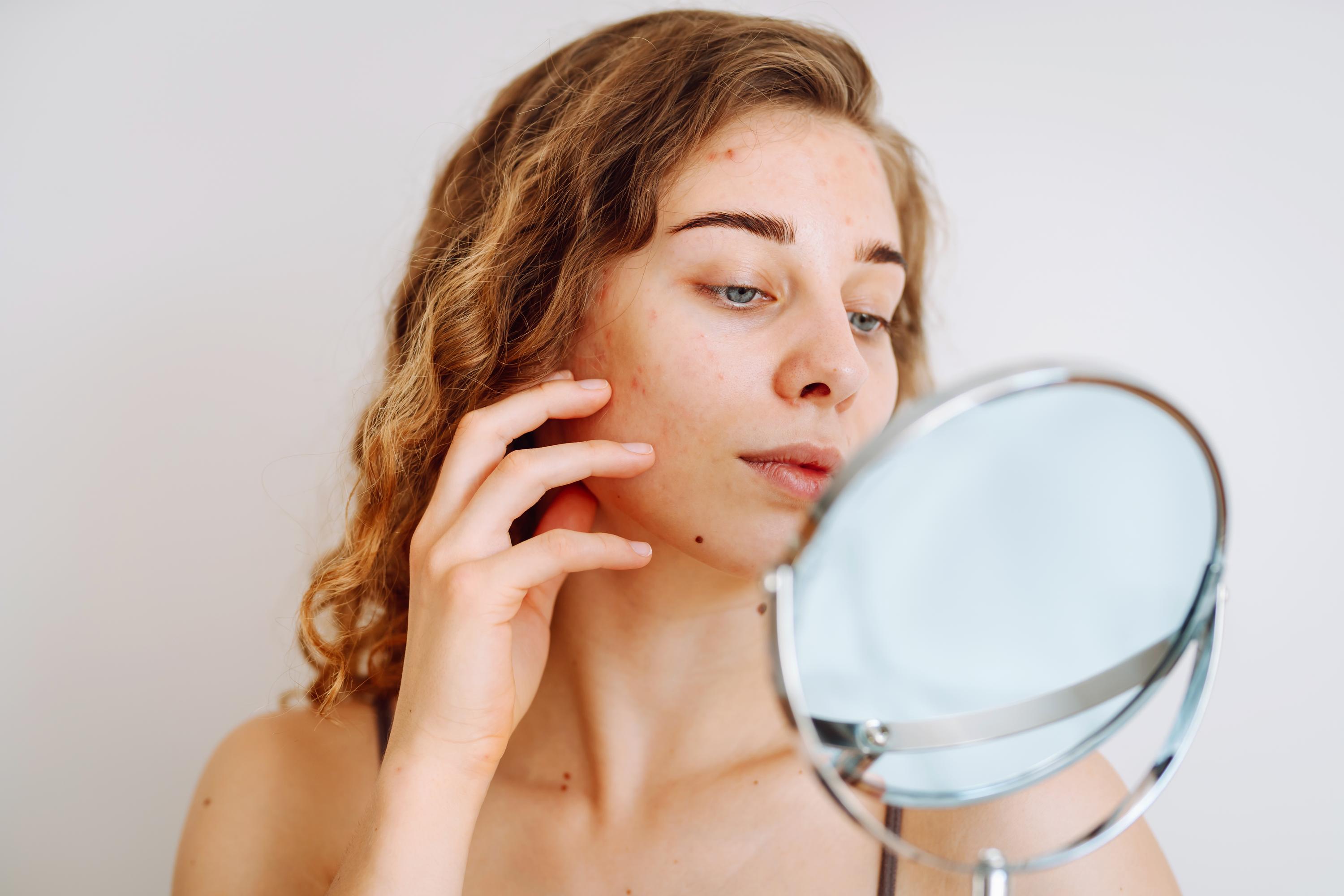
Your skin barrier acts as a protective shield. When it’s compromised, it can lead to dryness and irritation. You might notice your skin feels rough or looks red. Breakouts could become more frequent and products that once felt soothing now sting. This is your skin’s way of telling you it needs help.
Identifying Dehydrated Skin
Dehydrated skin lacks water, not oil. Your face might feel tight, especially after cleansing. Fine lines become more visible and your complexion can appear dull. Unlike dry skin, dehydration is a temporary condition that can affect any skin type. Keeping your hydration levels up is key.
Understanding Inflamed Skin
Inflamed skin is often red and sensitive to the touch. It might itch or burn and can be aggravated by harsh weather or products. Inflammation can be a response to allergens or stress. It’s important to identify triggers to soothe your skin effectively.
Causes and Simple At-Home Checks
Knowing the cause of your skin issues can help in addressing them more effectively. Let’s explore common triggers and easy ways to check.
Common Triggers of Barrier Damage
Over-exfoliation and harsh products are major culprits. Using too many active ingredients can strip your skin of its natural oils. The environment also plays a role: cold weather and pollution can weaken your barrier. To check if your barrier is damaged, gently press your skin; if it feels rough or bounces back slowly, it might be time for some TLC.
Dehydration and Transepidermal Water Loss
Transepidermal water loss (TEWL) occurs when water evaporates from the skin. This can happen due to low humidity or hot showers. A simple test is to lightly pinch your skin: if it wrinkles instead of bouncing back, dehydration could be the issue.
Inflammation Causes and Skin Sensitivity
Inflammation is often caused by allergens or irritants. If your skin turns red or feels hot after using a product, it might be too harsh. Patch testing new products on a small area can help you avoid widespread irritation.
Steps to Calm and Repair
Once you’ve identified the problem, the next step is repair. Here’s how you can start the journey to healthier skin.
Effective Barrier Repair Ingredients
Look for ingredients like ceramides, which help restore the skin’s natural barrier. Niacinamide can reduce redness and irritation. Hyaluronic acid is excellent for boosting hydration. These ingredients provide the building blocks for healthier skin.
Building a Gentle Skincare Routine
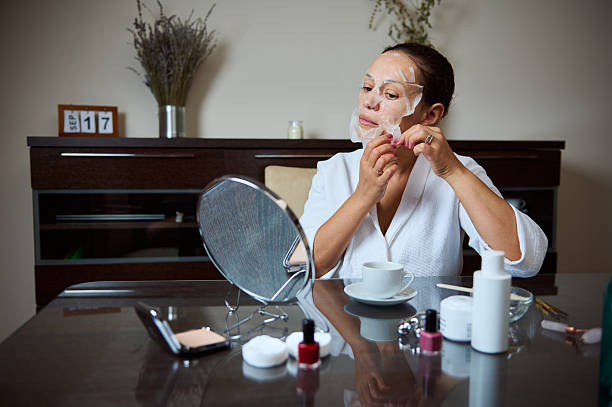
A gentle routine is essential for recovery. Use a mild cleanser and avoid over-exfoliating. Incorporate a nourishing moisturiser to lock in moisture. Sunscreen is also crucial to protect your skin from further damage. Consistency is key, so stick to products that work for you.
Seeking Professional Guidance at Vysana Clinic
If you’re unsure about your skin’s needs, a consultation at Vysana Clinic can provide personalised advice. Dr Sunny Dhesi offers expertise in both healthcare and aesthetics, ensuring a comprehensive approach to skin health. Whether you need help with inflammation or want to prevent future issues, professional guidance can make a significant difference.
Frequently Asked Questions
What is the skin barrier and why is it important?
The skin barrier is the outermost layer of your skin. It acts as a shield against environmental damage and prevents moisture loss. A healthy barrier keeps your skin hydrated and protected.
How can I tell if my skin is dehydrated or just dry?
Dehydrated skin lacks water, while dry skin lacks oil. If your skin feels tight and dull, it’s likely dehydrated. Dry skin, on the other hand, may feel rough and flaky. Checking how your skin responds to pinching can help distinguish between the two.
What are the best ingredients for repairing a damaged skin barrier?
Ceramides, niacinamide, and hyaluronic acid are excellent for repairing the skin barrier. These ingredients help restore moisture and reduce inflammation, promoting healthier skin.
Can inflammation be caused by stress alone?
Yes, stress can trigger inflammation. It can make your skin more sensitive and prone to redness. Managing stress through relaxation techniques can help reduce inflammation.
Should I consult a professional for persistent skin issues?
Absolutely. Persistent skin issues can indicate underlying problems. A professional consultation, like those offered at Vysana Clinic, can provide tailored solutions and help prevent further damage.